


Tased but Not Charged in the Bronx Can I Still Sue
Your Civil Rights After an NYPD Taser Incident in Bronx, NY
After an encounter with police, most people feel extremely stressed out. If you are searching for experienced , you can review your legal options there. Your heart races. Your body aches. You replay every second in your head. When an officer fires a Taser at you in the Bronx, NY, and prosecutors later decline to file charges, the confusion can feel overwhelming. You may ask yourself whether the lack of charges means the officer did nothing wrong.
At Horn Wright, LLP, our Bronx NY civil rights lawyers represent people across Bronx, NY who believe officers crossed the line. We understand how shaken you may feel after a Taser incident. Even if the Bronx District Attorney does not pursue criminal charges, you may still have the right to file a civil lawsuit. Our team investigates police conduct, reviews body camera footage, and fights for accountability when force goes too far. You deserve answers. You deserve to know your rights. And you deserve a path forward that helps you regain control.
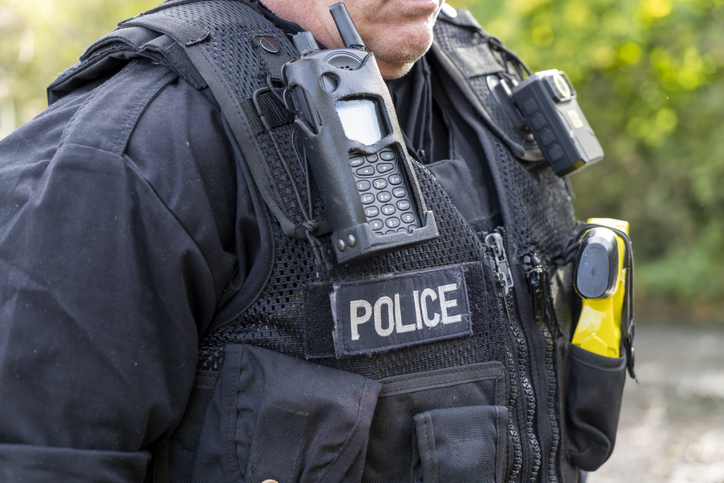
Understanding Police Use of Tasers in the Bronx
NYPD officers carry Tasers as part of their standard equipment. Officers may use them during traffic stops, street encounters, or arrests throughout Bronx neighborhoods. A Taser sends an electrical charge into the body. It causes muscle contraction and intense pain. In some cases, it causes lasting injury.
The law does not give officers unlimited power to deploy this weapon. Officers must justify force based on what they knew at the moment. Courts look at the severity of the suspected offense. Courts also examine whether the person posed an immediate threat and whether that person resisted.
If you stood near the Grand Concourse during a stop and complied with commands, an officer must still explain why a Taser was necessary. The focus stays on reasonableness. The question is simple. Did the officer use more force than the situation required?
No Criminal Charges Does Not Block a Civil Lawsuit
Many people assume that if prosecutors decline charges, no legal claim exists. That belief is wrong. Criminal cases and civil lawsuits serve different purposes.
A criminal case in Bronx Criminal Court centers on punishment. Prosecutors must prove guilt beyond a reasonable doubt. That is a high bar. If they believe they cannot meet it, they may decline to file charges.
A civil case focuses on compensation and accountability. You must show that the officer violated your constitutional rights. The burden of proof is lower. You must prove your claim by a preponderance of the evidence. That means the evidence shows it is more likely than not that excessive force occurred.
The decision not to charge you does not erase what happened. It does not validate the officer’s conduct. It simply means prosecutors chose not to pursue a criminal case against you.
Your Constitutional Rights in Bronx, NY
The Fourth Amendment protects you from unreasonable searches and seizures. Courts treat excessive force during an arrest or stop as a Fourth Amendment issue. Officers must use force that matches the threat.
If you did not pose a threat and complied with instructions, the Constitution still protects you. The Fourteenth Amendment may also apply in certain custody situations. These rights extend to every borough, including Bronx, NY.
Federal law allows you to file a civil rights claim under Section 1983. This statute permits individuals to sue government officials who violate constitutional protections. The law gives you a direct path into court when police misconduct causes harm.
When Taser Use Becomes Excessive Force
Not every Taser deployment violates the law. Officers may use force in tense and uncertain situations. Still, the force must stay proportional.
A Taser may amount to excessive force if:
- You posed no immediate threat to the officer or others
- You complied with verbal commands
- Officers used the Taser after handcuffing you
- The suspected offense involved a minor violation
Imagine an officer responding near Yankee Stadium during a crowd control situation. If you stood calmly and followed instructions, firing a Taser could raise serious legal concerns.
Courts analyze the totality of the circumstances. They review video footage, radio transmissions, and witness statements. Small details matter. The officer’s split-second decision still must align with constitutional standards.
Who You Can Sue After a Tasing in the Bronx
In many cases, you may sue the individual NYPD officer who deployed the Taser. You may also bring claims against other officers who failed to intervene.
You may also pursue claims against the City of New York. To hold the City liable, you must show that a policy, custom, or failure to train contributed to the violation. This type of claim falls under what courts call Monell liability.
These cases require detailed investigation. You must connect the officer’s conduct to a broader pattern or official decision. Internal disciplinary records and training materials often play a key role.
Where You File a Lawsuit in Bronx, NY
Many excessive force lawsuits proceed in the United States District Court for the Southern District of New York. This federal court hears civil rights claims arising in Bronx, NY.
Some cases may proceed in Bronx County Supreme Court, especially when you assert state law claims such as assault or battery. Your legal strategy will depend on the facts and the defendants involved.
If you sue the City of New York or its agencies, you must file a Notice of Claim within 90 days of the incident, as required under New York General Municipal Law § 50-e. This document alerts the City that you intend to pursue damages. Missing this deadline can damage your case.
Key Deadlines for Bronx Excessive Force Claims
Deadlines control your rights. If you wait too long, the court may dismiss your case.
You must file a Notice of Claim within 90 days when you sue the City. For state law claims against the City, you generally have one year and 90 days to file suit. Federal civil rights claims in New York typically carry a three-year statute of limitations.
These timelines move quickly. Evidence may disappear. Witnesses may move away. Acting promptly protects your position and preserves your leverage.
Evidence That Strengthens Your Taser Case
Strong evidence builds strong cases. After a Taser incident, you should try to preserve as much information as possible.
Helpful evidence may include:
- Body camera footage from NYPD officers
- Surveillance video from nearby buildings
- Medical records from local emergency rooms
- Photographs of puncture wounds or bruising
- Names and contact information of witnesses
You should seek medical attention right away. Medical records create a timeline that links your injuries to the incident. If you felt dizzy or suffered heart issues, make sure doctors document those symptoms.
You may also request records through Freedom of Information Law requests. These requests can uncover disciplinary histories or prior complaints.
Medical and Emotional Harm After a Taser Incident
A Taser can cause more than short term pain. Some people suffer burns, nerve damage, or falls that result in broken bones. Others experience heart complications.
Emotional harm often runs deep. You may feel anxious in public spaces. You may relive the moment when the electrical charge hit your body. Sleep may become difficult. Relationships may strain under the weight of stress.
If no charges follow, you may also feel embarrassment or anger. Friends or coworkers may still question what happened. That reputational harm carries real weight.
In a civil lawsuit, you may seek compensation for:
- Medical expenses
- Lost wages
- Pain and suffering
- Emotional distress
Courts recognize that constitutional violations affect the whole person. Your claim should reflect the full impact on your life.
Defenses the NYPD May Raise
The City and individual officers rarely concede fault. They often assert qualified immunity. This doctrine shields officers from liability unless they violated clearly established law.
To overcome this defense, you must show that prior court decisions gave fair warning that the conduct was unlawful. Detailed factual development becomes essential.
Defendants may also argue that the officer feared for safety. They may claim you resisted or failed to comply. Video footage and witness accounts often decide these disputes.
How a Civil Rights Lawyer Builds Your Case
Building a strong case requires preparation and persistence. An attorney will gather police reports, review video, and interview witnesses. They may consult medical experts to explain how the Taser affected your body.
Your lawyer may also analyze NYPD training materials and prior complaints. Patterns matter. If similar incidents occurred in Bronx, NY, that information can strengthen your claim.
Negotiation often follows investigation. The City may consider settlement once it reviews the evidence. If settlement talks fail, your attorney prepares for trial. Trial requires clear storytelling. Jurors must understand what happened and why it violated your rights.
What Compensation You May Recover in Bronx, NY
Compensation aims to make you whole. Money cannot erase the shock of being tased, but it can help you rebuild.
Economic damages cover financial losses. These include hospital bills, therapy costs, and lost income. Non-economic damages address pain, emotional suffering, and loss of enjoyment of life.
In rare cases involving extreme misconduct, courts may award punitive damages against individual officers. These damages aim to deter similar conduct in the future.
Each case depends on its facts. The severity of your injuries, the strength of the evidence, and the conduct of the officer all influence potential recovery.
You Still Have Rights in the Bronx
Being tased and then released without charges can leave you feeling powerless. You may question whether anyone will take your experience seriously. The law says your rights do not disappear simply because prosecutors declined to act. If an officer used excessive force in Bronx, NY, you may pursue a civil lawsuit for accountability and compensation.
At Horn Wright, LLP, we stand beside individuals who seek justice after police misconduct. Our attorneys understand the federal and state rules that govern these claims. We work to preserve evidence, meet strict deadlines, and present strong cases in court. If you believe an officer crossed the line, you do not have to face the legal system alone. Taking action can protect your rights and help restore your sense of control.

What Sets Us Apart From The Rest?
Horn Wright, LLP is here to help you get the results you need with a team you can trust.
-
Client-Focused ApproachWe’re a client-centered, results-oriented firm. When you work with us, you can have confidence we’ll put your best interests at the forefront of your case – it’s that simple.
-
Creative & Innovative Solutions
No two cases are the same, and neither are their solutions. Our attorneys provide creative points of view to yield exemplary results.
-
Experienced Attorneys
We have a team of trusted and respected attorneys to ensure your case is matched with the best attorney possible.
-
Driven By Justice
The core of our legal practice is our commitment to obtaining justice for those who have been wronged and need a powerful voice.