


What If Police Say I Reached for Something in the Bronx How You Challenge That
Understanding Your Rights and Defense Options After an Arrest
After an arrest in the Bronx, NY, few words cause more panic than this: “He reached for something.” That short claim can change everything. It can justify force. It can support serious charges. It can shape how a judge sees you at arraignment. In seconds, your side of the story can feel buried under a single sentence in a police report. If this happened to you, you are probably extremely stressed out. That reaction makes sense. Your future may feel uncertain.
Working with experienced Bronx NY civil rights lawyers can make a real difference can make a real difference when an officer’s statement threatens your freedom. At Horn Wright, LLP, our attorneys understand how fast a situation can spiral after an arrest in Bronx, NY. We know how prosecutors rely on officer statements. We also know how to challenge them. Our team investigates every detail, pushes for video evidence, and questions unsupported claims.
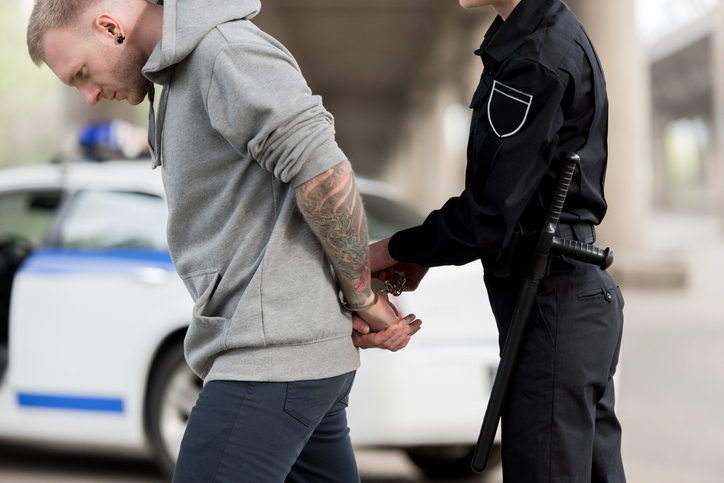
Why a “Reaching” Claim Carries So Much Weight in Bronx, NY
Police reports often frame sudden movements as threats. When an officer writes that you reached toward your waistband or pocket, the statement suggests danger. Even if no weapon appears, the wording alone can justify force in the officer’s view.
In Bronx Criminal Court, that claim can influence bail decisions. A judge may read the complaint and see a perceived threat to officer safety. Prosecutors may argue that the officer acted to protect others nearby. The narrative forms quickly.
Street encounters in busy areas like Fordham Road can unfold in seconds. Noise, traffic, and confusion complicate events. An officer’s description may simplify those moments into one line. That line can follow you throughout the case.
You need to understand how powerful that wording becomes. Once it enters the record, it shapes how others interpret the encounter.
What Police Usually Mean When They Say You “Reached”
Officers often describe quick hand movements as suspicious. They may say you moved your hand toward your waistband, pocket, or car console. The report may not explain why you moved. It may not mention that you were adjusting clothing or reacting to commands.
In many Bronx, NY arrests, the language stays broad. The officer writes that he feared you were reaching for a weapon. That fear becomes central. The report may not confirm that a weapon existed. It may not describe lighting conditions or distance.
Small details matter. Where were your hands before the movement? Did the officer give clear instructions? Did body camera footage capture the angle? Those questions shape how the claim holds up under review.
How Prosecutors Use That Statement in Bronx, NY Cases
Prosecutors rely heavily on officer testimony. If the officer states he believed you reached for a weapon, the prosecution may argue that force was reasonable. They may also use the claim to support added charges.
You could face allegations such as:
- Criminal possession of a weapon
- Resisting arrest
- Obstructing governmental administration
- Assault on a police officer
Each charge carries its own penalties. Each charge increases pressure.
In Bronx, NY courtrooms, the prosecution often frames the officer’s perception as the key issue. They argue that the officer reacted to a threat, not to hindsight. That framing places your intent under a microscope.
A strong defense must challenge both the facts and the interpretation.
Your Constitutional Rights During a Police Encounter in the Bronx
The Fourth Amendment protects you from unreasonable searches and seizures. An officer must have legal grounds to stop you. The officer must also justify any search.
If police claim you reached for something, the court will examine whether the officer had reasonable suspicion or probable cause. The standard focuses on objective reasonableness. The officer’s fear alone does not end the analysis.
You also have the right to remain silent. Miranda protections require officers to inform you of certain rights during custodial interrogation. You do not need to explain your movements at the scene. You have the right to request an attorney. Once you ask for a lawyer, questioning should stop.
Many people talk because they feel nervous. That reaction is human. Yet statements made under stress can hurt later. Protecting your rights early can prevent added complications.
Evidence That Can Disprove a “Reaching” Allegation
In Bronx, NY, strong cases often turn on evidence. An officer’s report is one version of events. Video and witness accounts may tell another story.
Useful evidence may include:
- NYPD body worn camera footage
- Surveillance video from nearby stores or apartment buildings
- Dashcam recordings
- Civilian witness statements
- 911 call recordings
Video can reveal timing, distance, and hand placement. It can show whether you complied with commands. It can show how quickly force followed the alleged movement.
Surveillance cameras line many Bronx streets. Residential buildings and corner stores often record continuously. If your arrest occurred near the Cross Bronx Expressway, traffic cameras or nearby businesses may have captured part of the interaction.
The sooner your attorney seeks this evidence, the better. Some footage deletes automatically after a short period.
Why Body Camera Footage Often Changes the Case
Body camera footage provides perspective. It captures audio. It records tone and commands. It shows how events unfolded second by second.
In some Bronx, NY cases, body camera video contradicts written reports. The footage may show that your hands were visible. It may show that you followed instructions. It may reveal confusion rather than aggression.
Attorneys review footage carefully. They slow it down. They compare it to the officer’s sworn statement. If inconsistencies appear, they raise them in court.
Judges pay attention to video evidence. Jurors do as well. Clear footage can reshape how the court views the encounter.
Challenging Police Credibility in Bronx Courtrooms
Cross examination plays a key role in these cases. A defense attorney may question the officer about lighting conditions, distance, and line of sight. The attorney may ask about stress levels and prior statements.
If the officer wrote a report hours after the incident, memory may have shifted. If multiple officers were present, their accounts may differ. Small inconsistencies can matter.
In Bronx County Supreme Court, defense counsel can highlight contradictions between testimony and video. If the officer claims you reached into a pocket, but the footage shows your hands at chest level, credibility weakens.
Jurors evaluate demeanor. They evaluate consistency. When facts do not align, doubt grows.
Filing Motions to Suppress Evidence in Bronx, NY
If police lacked legal grounds to stop or search you, your attorney can file a motion to suppress evidence. This motion asks the court to exclude unlawfully obtained evidence from trial.
The judge will examine:
- Whether the officer had reasonable suspicion to approach
- Whether the officer had probable cause to arrest
- Whether the alleged movement justified a frisk
If the court finds the stop unlawful, key evidence may disappear from the case. Without that evidence, prosecutors may struggle to proceed.
Suppression hearings require preparation. Attorneys review reports, body camera footage, and dispatch logs. They question officers under oath. A focused challenge can expose weak foundations.
When a “Reaching” Claim Leads to Excessive Force Issues
Sometimes the claim does more than support charges. It justifies physical force. In severe cases, it may justify a shooting or the use of a Taser.
If you suffered injuries during the arrest in Bronx, NY, including situations where you were tased but not charged, the legality of that force becomes critical. The law asks whether the officer’s actions were objectively reasonable under the circumstances.
Medical records matter. Photographs matter. Independent witnesses matter. If video shows that you posed no immediate threat, a civil rights claim may follow. In some cases, the dispute turns on how you can prove what happened without video.
These cases may proceed in federal court. They require a detailed review of policy, training, and conduct. While criminal defense focuses on your freedom, civil litigation may address harm caused by excessive force.
What To Do Immediately After an Arrest in the Bronx, NY
Your actions after the arrest can shape the outcome. Emotions run high. Fear takes over. Still, a few steady steps can protect you.
- Remain calm and avoid arguing at the scene
- Request an attorney clearly and directly
- Do not consent to searches beyond what police require
- Seek medical care if you feel pain or injury
- Write down everything you remember as soon as possible
Details fade quickly. Document the time, location, and officer names if you know them. If witnesses were present near the Major Deegan Expressway or nearby intersections, try to identify them later with your attorney.
Quick action can preserve key evidence. It can also prevent additional charges tied to statements made under pressure.
Local Realities That Shape Bronx, NY Arrests
The Bronx presents unique conditions. Dense housing means many encounters occur near apartment buildings with private cameras. Heavy traffic corridors create chaotic scenes. Noise levels can distort perception.
Officers often patrol high traffic routes and commercial areas. That environment affects how movements appear. A sudden turn or raised hand may look threatening in a tense moment.
At the same time, the area’s camera coverage can work in your favor. Video from multiple angles may exist. A careful review can uncover a clearer timeline than a single report suggests.
Understanding the local landscape helps build a strong defense strategy.
Building a Strong Defense Strategy in Bronx, NY
Every case demands attention to detail. Your attorney must gather evidence quickly, review every report, and question each assumption. Strategy may involve negotiating with prosecutors. It may involve preparing for trial.
A strong defense often combines several elements:
- Detailed video analysis
- Witness interviews
- Expert testimony on police practices
- Focused cross examination at hearings
Preparation builds leverage. When the prosecution sees weaknesses in the officer’s account, options may open. Charges may reduce. Cases may dismiss.
You deserve a defense that treats your case as more than a file number. Careful preparation can shift the balance back in your favor.
Take Action to Protect Your Future in the Bronx
If police say you reached for something in the Bronx, NY, that statement does not decide your fate. You still have rights. You still have options. Acting quickly can protect evidence and strengthen your defense. Contacting an experienced defense team through a confidential case review allows you to take a direct step toward protecting your future. At Horn Wright, LLP, our attorneys stand ready to review your case, examine the facts, and challenge unsupported claims. We take the time to listen to your story and build a strategy tailored to your situation. When your freedom feels uncertain, having a team that knows the Bronx courts can bring clarity and direction.

What Sets Us Apart From The Rest?
Horn Wright, LLP is here to help you get the results you need with a team you can trust.
-
Client-Focused ApproachWe’re a client-centered, results-oriented firm. When you work with us, you can have confidence we’ll put your best interests at the forefront of your case – it’s that simple.
-
Creative & Innovative Solutions
No two cases are the same, and neither are their solutions. Our attorneys provide creative points of view to yield exemplary results.
-
Experienced Attorneys
We have a team of trusted and respected attorneys to ensure your case is matched with the best attorney possible.
-
Driven By Justice
The core of our legal practice is our commitment to obtaining justice for those who have been wronged and need a powerful voice.