


Manhattan Personal Injury Lawyers
Protecting Your Rights When You Need it Most
After an accident in Manhattan, the questions can hit almost as hard as the injury. How long will this take? Will the case settle? Who pays the medical bills? What if the insurance company already called? What if you said something you regret? When you’re hurt, out of work, and extremely stressed out, the claim process can feel cold, confusing, and unfair.
At Horn Wright, LLP, our Manhattan personal injury attorneys help injured people deal with insurers, settlement pressure, medical records, liens, lost wages, and lawsuits. We know you may be worried about saying the wrong thing, missing a deadline, or accepting less than your case is worth. Our team can take that stress off your shoulders, protect your claim, and fight for the compensation you deserve while you focus on healing.
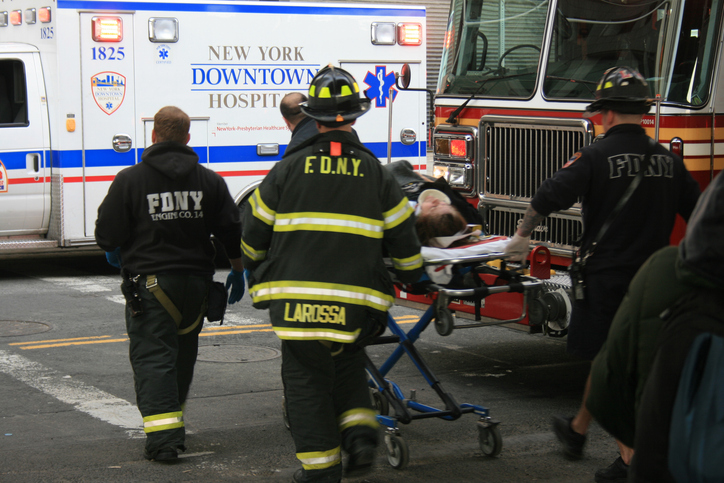
Manhattan Personal Injury Claims Can Feel Like a Fight From Day One
A personal injury claim starts with one basic question: did someone else’s carelessness cause your injury? In Manhattan, that can involve a car crash, truck accident, fall, unsafe property, construction incident, bicycle crash, pedestrian injury, rideshare collision, defective product, or another serious accident.
But proving the claim takes more than saying you were hurt. You need evidence. You need medical records. You need a clear story that connects the accident to the injury. And you need to be ready for the insurance company’s favorite defenses.
They may say your injury was pre-existing. They may blame someone else. They may say your pain is not serious. They may point to a gap in treatment. They may argue you were partly at fault. None of that means your case is over. A strong Manhattan injury claim is built through details:
- Photos, videos, incident reports, and police reports
- Medical records, imaging, treatment notes, and doctor opinions
- Witness statements, accident video, repair records, and work records
- Proof of pain, limits, lost income, and future medical needs
Those pieces matter because insurance companies rarely pay full value just because someone asks nicely. They pay when the evidence gives them a reason to take the case seriously.
What to Say to an Insurance Adjuster After a Manhattan Accident
Insurance adjusters may sound friendly. Some are polite. Some even seem concerned. But their job is not to protect you. Their job is to protect the insurance company’s money.
You can give basic information, like your name, contact details, date of the accident, and where it happened. You should avoid guessing, minimizing your pain, or giving broad statements while you are still shaken.
Be careful with phrases like:
- “I’m fine.”
- “I didn’t see what happened.”
- “It was partly my fault.”
- “My back always hurts.”
- “I don’t need more treatment.”
Those words may not reflect the truth. You may feel worse the next day. You may not know what video will show. You may not understand your diagnosis yet.
A recorded statement creates extra risk. It locks your words into a format the insurer can replay later. A broad medical authorization can also be risky because it may let the insurer dig through years of unrelated medical history. They may look for old injuries and claim the accident did not cause your current pain.
If you already talked to an adjuster and regret it, don’t panic. One call does not automatically destroy your case. But it does mean you should be more careful going forward. The next step is to review what was said, gather records, and correct the claim with stronger proof where needed.
Medical Treatment, Delayed Symptoms, and Pre-Existing Injury Claims
Your medical records can make or break a personal injury case. They show when pain started, what body parts were hurt, what treatment you needed, and whether your condition improved or got worse.
A gap in treatment does not always ruin a Manhattan injury claim. Real life gets in the way. You may have work, child care, money worries, transportation issues, or fear about medical bills. But insurance companies use gaps as leverage. They may say you were not really hurt, or that something else caused your pain.
Delayed symptoms are also real. You may feel okay at the scene, then develop neck pain, back pain, headaches, numbness, anxiety, or sleep problems later. That can happen with soft tissue injuries, concussions, herniated discs, and trauma-related stress.
The most useful medical records often include emergency care records, imaging results, specialist notes, physical therapy notes, pain management records, work restrictions, and future treatment opinions. If your injury affects your daily life, tell your providers. Explain whether you have trouble lifting, walking, sitting, sleeping, driving, working, cooking, cleaning, or caring for your family.
Pre-existing injuries do not always block recovery. If the accident made an old condition worse, that aggravation may still matter. The key is showing how your symptoms changed after the accident.

What Compensation You Can Recover in a Manhattan Personal Injury Case
The value of a Manhattan personal injury claim depends on the facts. There is no honest flat number that fits every case. Your injury, treatment, pain, lost income, future care, and available insurance all matter.
A claim may include compensation for:
- Medical bills, therapy, medication, surgery, and future care
- Lost wages, reduced earning ability, and missed work opportunities
- Pain and suffering
- Emotional distress, PTSD symptoms, and anxiety tied to the injury
- Household help, transportation costs, and out-of-pocket expenses
- Loss of enjoyment of life
Pain and suffering can be available in New York personal injury cases, though some accident types, like car crashes, may involve extra rules before pain and suffering damages can be pursued. Emotional distress may also be part of the claim when it flows from the physical injury and trauma.
Future medical care can be a major part of settlement value. If you need injections, surgery, physical therapy, counseling, home help, mobility support, or long-term treatment, those costs should be considered before settlement.
Lost wages can be harder when you are self-employed, paid cash, or work gig jobs. That does not mean the claim is impossible. Bank records, invoices, tax records, calendars, client messages, app records, and job history may help prove income loss.
What Comes Out of a Manhattan Personal Injury Settlement?
A settlement is not always the amount you take home. Several items may need to be paid from the recovery, depending on the case.
These may include attorney’s fees, case expenses, medical bills, health insurance liens, Medicare liens, Medicaid liens, workers’ compensation liens, or other reimbursement claims. In New York, Medicaid can assert claims against personal injury settlements for benefits paid related to the injury, and New York City’s HRA describes its casualty lien program as placing liens and asserting claims against lawsuit settlements for past or present Medicaid and Cash Assistance recipients.
Medicare can also seek repayment when it paid accident-related medical bills and later there is a settlement or judgment. Health insurance plans may claim reimbursement rights too, depending on the policy and law involved.
Taxes are another concern. Many settlements for personal physical injuries or physical sickness are not taxable under federal tax rules, but there are exceptions. The IRS explains that lawsuit settlements are generally taxable unless a specific exclusion applies, and IRC Section 104 provides an exclusion for certain personal physical injury or sickness recoveries. Punitive damages, interest, and some emotional distress damages may be treated differently, so tax review can matter before funds are distributed.
You should know what may come out of the settlement before accepting an offer. A large number can feel good until liens, expenses, and unpaid bills are reviewed.
Settlement Timeline, Demand Letters, Mediation, and Court
Most injured people want to know how long their Manhattan personal injury settlement will take. The honest answer is: it depends.
A simple case with clear fault, completed treatment, and fair insurance may settle faster. A serious injury case may take longer because doctors need time to understand future care needs. A denied claim, disputed fault, missing video, pre-existing injury argument, or low offer can also slow things down.
A demand letter often starts formal settlement talks. It explains what happened, why the other side is responsible, what injuries you suffered, what treatment you needed, what wages you lost, and what compensation is being demanded.
Mediation may help when both sides are willing to negotiate but disagree about value, fault, or risk. It is not a trial. It is a structured settlement discussion with a neutral mediator.
Some cases settle. Some go to court. The decision often depends on the strength of the evidence, the seriousness of the injury, the insurer’s offer, the risks of trial, and your goals.
If a lawsuit is filed, you may have a deposition. That means lawyers ask you questions under oath about the accident, injuries, treatment, work history, prior medical issues, and daily limits. You may also attend an independent medical exam, often called an IME. Despite the name, the doctor is usually chosen by the defense or insurance company. Preparation matters because both events can affect settlement value.

Trial vs. Settlement in Manhattan Injury Cases
Settlement gives you control and certainty. Trial gives you a chance to ask a jury for full accountability when the other side refuses to be fair. Neither path is automatically better.
A settlement may make sense when the offer reflects your injuries, future care, lost income, pain, and risk. A trial may make sense when the insurer denies responsibility, undervalues serious harm, or refuses to negotiate in good faith.
The first settlement offer is often not the best offer. It may come before all medical records are reviewed, before liens are known, before future care is calculated, or before the insurer has faced the strongest evidence.
Once you settle, you usually cannot reopen the claim. That is why timing matters. If you later need surgery, miss more work, or develop lasting symptoms, you may be stuck with the settlement you already accepted.
Lump sum and structured settlements can also affect your future. A lump sum gives money at once. A structured settlement pays over time. The better option depends on your medical needs, financial pressure, age, benefits, tax issues, and long-term planning.
Deadlines, Fault, and Denied Claims in New York Personal Injury Cases
New York generally gives three years to file many personal injury lawsuits based on negligence. New York’s CPLR 214 lists a three-year period for actions involving personal injury, and the New York Courts’ public timetable also lists three years from the accident date for negligence resulting in personal injury.
That said, some cases have shorter deadlines. Claims involving government entities, public transit, municipal property, medical malpractice, wrongful death, or certain notices may move faster. Waiting can also hurt evidence. Video gets erased. Witnesses move. Photos disappear. Repairs get made.
New York follows comparative fault. That means being partly at fault does not automatically end your case, but your recovery can be reduced based on your share of blame. Insurers often use this rule as a weapon. They may say you should have watched where you were going, avoided the hazard, braked sooner, or used more care.
If the at-fault person has no insurance or not enough insurance, other coverage may matter. In car accident cases, uninsured or underinsured motorist coverage may help. In other injury cases, property insurance, business insurance, umbrella coverage, or other responsible parties may need review.
A denied claim is not always final. Denials can be challenged with better evidence, medical support, witness statements, expert review, legal arguments, and, when needed, a lawsuit.
How Lawyers Get Paid and What Happens After You Hire One
Most Manhattan personal injury lawyers work on a contingency fee. That means the lawyer is paid from the recovery, not by hourly bills. New York court rules describe contingent fees in personal injury and wrongful death cases and treat certain fee schedules as fair and reasonable, including fees up to one-third in many non-medical malpractice personal injury matters.
After you hire a lawyer, the process often starts with investigation. The lawyer may notify insurers, gather evidence, request video, collect medical records, review liens, calculate damages, and handle adjuster calls. If settlement talks fail, the lawyer may file a lawsuit and guide the case through discovery, depositions, mediation, and trial preparation.
You can also switch lawyers in the middle of a case. There may be fee-sharing or lien issues between lawyers, but you are not trapped with a lawyer you no longer trust. Your case should be handled by someone who communicates clearly and protects your future.
Talk With Horn Wright, LLP About Your Manhattan Personal Injury Claim
After an accident, you deserve answers, support, and a plan that protects your future. Horn Wright, LLP represents injured people in Manhattan personal injury claims involving settlement disputes, denied claims, serious injuries, medical liens, lost wages, insurance pressure, depositions, mediation, and lawsuits.
Our attorneys know how to push back when insurers blame you, minimize pain, or rush you into a low settlement. You’ve already been through enough. Let our team carry the legal pressure while you focus on your health, your family, and your recovery.

What Sets Us Apart From The Rest?
Horn Wright, LLP is here to help you get the results you need with a team you can trust.
-
Client-Focused ApproachWe’re a client-centered, results-oriented firm. When you work with us, you can have confidence we’ll put your best interests at the forefront of your case – it’s that simple.
-
Creative & Innovative Solutions
No two cases are the same, and neither are their solutions. Our attorneys provide creative points of view to yield exemplary results.
-
Experienced Attorneys
We have a team of trusted and respected attorneys to ensure your case is matched with the best attorney possible.
-
Driven By Justice
The core of our legal practice is our commitment to obtaining justice for those who have been wronged and need a powerful voice.