


Accidental Shootings: Holding the Responsible Party Accountable
When Negligence Turns a Firearm Into a Tragedy
A gun doesn’t have to be fired in anger to destroy a life. One careless moment, a finger on the trigger too soon, a weapon left unsecured, a mistaken assumption that it wasn’t loaded, and everything changes. Families lose loved ones, children are hurt, and what should have been an ordinary day becomes a lifetime of grief.
At Horn Wright, LLP, our personal injury attorneys represent New Yorkers whose lives were torn apart by accidental shootings. We’ve sat with families who can’t understand how it happened. We’ve met parents who can’t step back into their homes because every sound reminds them of that one moment. Negligence with a firearm isn’t an “accident” in the way most people use the word, it’s a preventable mistake with irreversible consequences.
Accountability matters because it’s often the only thing left to restore a sense of justice after tragedy.
Common Causes of Accidental Shootings in New York
Accidental shootings occur in ways that feel too ordinary, moments that start with trust and end in chaos. While every case is unique, patterns emerge over time. Most involve some form of inattention, carelessness, or unsafe storage.
The most frequent causes include:
- Unsecured firearms, especially in homes where children can access them.
- Improper handling, such as cleaning or inspecting a loaded gun.
- Mistaken identification, when hunters or homeowners fire without confirming targets.
- Defective firearms or ammunition, where mechanical flaws cause unintentional discharge.
- Negligent supervision, allowing untrained individuals to handle weapons.
- Alcohol or drug use, impairing judgment and coordination.
New York law holds gun owners to a strict duty of care. Under Penal Law §265.45, adults can face criminal charges for failing to securely store firearms when minors are present. Civil liability follows naturally from the same principles, a weapon that isn’t locked away or handled responsibly becomes a hazard to everyone nearby.
Most accidental shootings don’t happen in public. They happen at home, at hunting camps, or in garages. And most victims know the person who pulled the trigger. That’s what makes these cases so emotionally difficult.
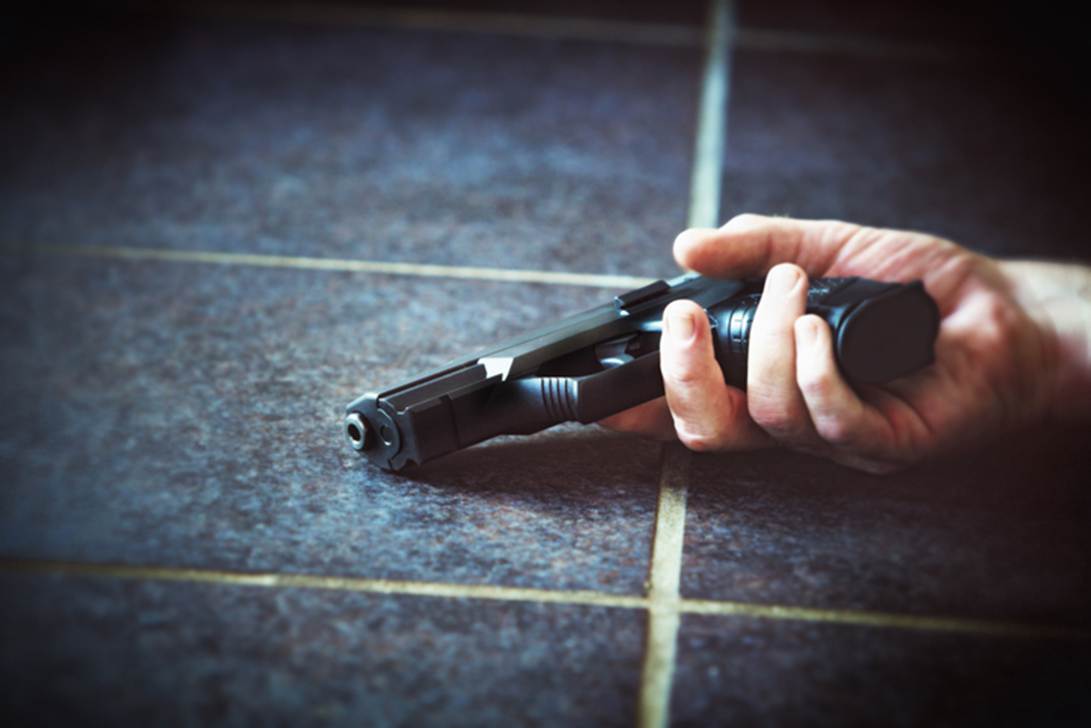
How Negligent Gun Ownership Leads to Catastrophic Harm
Responsible gun ownership means more than following the law; it means understanding the weight of what a firearm can do. Negligent owners often forget that one careless habit, leaving a loaded gun on a table, failing to engage the safety, can be enough to end a life.
In our work, we’ve seen negligence take many forms:
- A parent leaving a loaded handgun in a bedside drawer “just for protection.”
- A guest showing off a firearm at a party, not realizing it’s still chambered.
- A gun range failing to enforce safety rules.
- A landlord storing weapons in a shared space, endangering tenants.
These choices violate both common sense and civil law. New York’s SAFE Act (Secure Ammunition and Firearms Enforcement Act) reinforces the need for background checks, safe storage, and responsible ownership. Ignoring those duties isn’t just reckless, it’s legally actionable.
When an accidental discharge happens, courts look at how the gun was stored, who had access, and whether the owner took reasonable steps to prevent harm. Failing any of those tests often means liability.
Determining Liability in Accidental Shooting Cases
Every shooting has a story, and uncovering it takes meticulous investigation. Determining liability starts with one question: who failed their responsibility?
- The gun owner, for leaving a loaded weapon accessible or handling it carelessly.
- A property owner, for failing to enforce safety rules or warn guests of danger.
- Employers, when guns are used in workplaces without proper training or security.
- Manufacturers or dealers, if the firearm was defective or sold illegally.
- Parents or guardians, when minors access unsecured weapons.
Attorneys rely on police reports, forensics, and witness statements to piece together what happened. We also work with firearms experts who can identify mechanical malfunctions or safety violations.
Civil law focuses on negligence, proving that the defendant owed a duty of care, breached it, and caused harm. Under CPLR §214, victims typically have three years to file a personal injury claim. If the shooting results in death, families have two years to file a wrongful death claim under EPTL §5-4.1.
In one of our cases, a hunter fired into brush, thinking he saw movement. The shot struck another person 100 yards away. The case wasn’t about intent, it was about failing to identify a target. That’s the core of negligence law: preventable harm.
Vermont Provides Narrower Civil Remedies for Victims Than New York
While both states recognize negligence in firearm use, Vermont offers far fewer avenues for recovery than New York.
Here’s the key difference:
- Limited statutory protections. Vermont lacks specific safe-storage laws for private homes.
- Lower penalties. Civil suits often hinge solely on general negligence principles, not firearm-specific statutes.
- Damage limitations. Vermont imposes stricter standards for emotional distress and punitive damages.
- Less regulatory oversight. Fewer reporting and background-check requirements mean fewer paper trails for tracing liability.
New York’s comprehensive gun safety framework, bolstered by the SAFE Act and detailed storage laws, makes proving negligence more straightforward. Violating these rules often creates negligence per se, meaning the breach of statute automatically implies fault.
For victims, this difference can define outcomes. The same shooting that yields a strong claim in New York might face legal barriers in Vermont, even if the facts are identical.
Compensation Options for Victims of Accidental Shootings
Victims of negligent firearm use face enormous medical and emotional costs. Gunshot injuries often lead to permanent disabilities, loss of income, or lifelong psychological trauma. Civil law allows recovery for both tangible and intangible losses.
Compensation may include:
- Medical expenses, surgeries, rehabilitation, and long-term care.
- Lost wages and future earning capacity.
- Pain and suffering, physical and emotional anguish.
- Disfigurement or disability.
- Loss of companionship or support in wrongful-death cases.
- Punitive damages, in cases of extreme recklessness.
Each case starts with assessing what changed in the victim’s life. Can they work again? Sleep through the night? Hold their child without fear? Those questions guide how damages are calculated.
Insurance can complicate things. Homeowner’s policies sometimes cover negligent shootings, but most exclude intentional acts or criminal conduct. Navigating those clauses requires a legal team familiar with both personal injury and insurance law.
Compensation isn’t just money, it’s stability after chaos.
Why Quick Legal Action Makes a Difference
Accidental shooting claims depend on evidence, and that evidence disappears quickly. Guns are cleaned, homes are cleared, and police records can become harder to access over time. The longer a victim waits, the easier it is for key details to vanish.
Acting fast allows attorneys to:
- Secure the firearm for forensic testing.
- Interview witnesses before memories fade.
- Retrieve emergency call logs and police reports.
- Photograph the scene and document safety violations.
- Prevent spoliation, the destruction or alteration of evidence.
Filing early also preserves rights under New York’s statutes of limitation. Missing a deadline means losing the chance to recover, no matter how severe the harm.
We once represented a client whose evidence was nearly destroyed when police released a firearm back to its owner just weeks after an incident. Our early involvement kept that weapon preserved, and its ballistic evidence proved critical.
Prompt legal action isn’t about rushing; it’s about protecting the truth.
Horn Wright, LLP, Holds Negligent Gun Owners Accountable
Firearms demand responsibility. When that responsibility is ignored, the results are often irreversible, and someone must answer for it.
At Horn Wright, LLP, our personal injury attorneys represent victims of accidental shootings across New York. We investigate every detail, from how a weapon was stored to who last handled it, to uncover the truth and hold the right people accountable.
We’ve worked with victims of home shootings, hunting incidents, and negligent discharges in workplaces and public spaces. Our approach blends compassion with persistence: listen first, act fast, and fight until justice is done.
Because no family should bear the burden of another person’s carelessness with a gun. Accountability doesn’t erase the pain, but it ensures no one can shrug it off as “just an accident.”

What Sets Us Apart From The Rest?
Horn Wright, LLP is here to help you get the results you need with a team you can trust.
-
Client-Focused ApproachWe’re a client-centered, results-oriented firm. When you work with us, you can have confidence we’ll put your best interests at the forefront of your case – it’s that simple.
-
Creative & Innovative Solutions
No two cases are the same, and neither are their solutions. Our attorneys provide creative points of view to yield exemplary results.
-
Experienced Attorneys
We have a team of trusted and respected attorneys to ensure your case is matched with the best attorney possible.
-
Driven By Justice
The core of our legal practice is our commitment to obtaining justice for those who have been wronged and need a powerful voice.