


Soft-Tissue Injury Claims in the Bronx: Handling "Minor Impact" Pushback
What to Expect After a Bronx Crash Injury
After a car crash, many people feel sore but don’t realize they’ve been seriously hurt. Soft-tissue injuries often feel manageable at first. Then the pain sets in.
Maybe you wake up the next day unable to turn your neck, or you struggle to sit through a shift at work. But when you file a claim, the insurance company says it was a "minor" accident. They argue the damage to the car was low, so your injury must be, too.
At Horn Wright, LLP, we help injured Bronx residents stand up to this kind of pushback. Our dedicated Bronx injury lawyers know how to handle cases where insurers dismiss real injuries simply because the crash did not crumple the car. If you are in pain and struggling to recover, we will build the documentation and evidence needed to demand proper compensation.
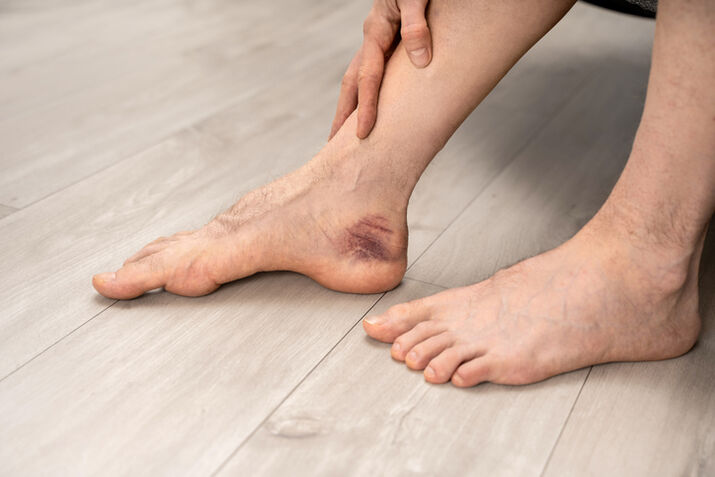
Understand What Counts as a Soft-Tissue Injury in a Car Crash
Soft-tissue injuries affect muscles, tendons, ligaments, and connective tissues. These injuries do not show up on most X-rays, which is part of what makes them easier for insurance companies to dispute. But they are real. And they hurt.
In Bronx car accidents, some of the most common soft-tissue injuries include:
- Whiplash (neck strain from sudden motion)
- Lower back strains
- Ligament sprains in shoulders, knees, or wrists
- Muscle tears or deep bruising
- Herniated or bulging spinal discs
These injuries can happen even in low-speed crashes. When another driver slams into your bumper in stop-and-go traffic on the Cross Bronx Expressway, the body snaps forward and then back, fast. Your seatbelt holds you in place, but your neck and spine absorb the shock. That motion stretches tissues far beyond their normal range, causing microscopic tears or inflammation.
Most soft-tissue injuries do not involve broken bones or bleeding. That is why so many people leave the scene without treatment, thinking they are fine. But by the next morning, the pain often tells a different story.
Know Why Insurance Companies Dismiss These Injuries
Insurance companies often downplay soft-tissue injuries. Their reasoning is simple. If the cars involved did not show major damage, they argue the people inside could not have been seriously injured.
This is a common strategy in New York claims, especially when the accident occurred at lower speeds. They call these "minor impact" collisions and use that label to justify denying or underpaying injury claims.
Here is what they typically point to:
- Property damage under a certain dollar amount
- No ambulance at the scene
- Delayed medical care
- No visible wounds or bruises
But soft-tissue damage does not need forceful impact to happen. Cars are built to absorb crash energy. The body, on the other hand, is not. That is why many Bronx residents walk away from a crash at East 138th Street or White Plains Road thinking they are okay, only to end up in physical therapy weeks later. Insurance adjusters rely on this delay to discredit claims.
Get Medical Attention Right Away, Even If Pain Is Delayed
If you are hurting after a car crash, do not wait to see a doctor. Even if you walked away from the scene, even if you think the pain is manageable, your body may have suffered more trauma than you realize.
Injuries like whiplash or lumbar strain can take 24 to 72 hours to fully surface. Stiffness, headaches, or shooting pain often develop after inflammation sets in. If you wait too long to seek care, insurers will argue your injuries came from something else.
Go to an emergency room or urgent care as soon as possible. In the Bronx, providers like Montefiore Medical Center or NYC Health + Hospitals/Jacobi offer imaging, exams, and referrals to specialists. These early records establish the connection between the crash and your symptoms.
Important things to do:
- Report all pain, even if it feels minor
- Follow discharge instructions closely
- Keep records of every appointment and test
Missing early care can weaken your case. Prompt treatment shows that your injury is real and that you took it seriously.
Build a Strong Medical Record That Links the Injury to the Crash
Soft-tissue claims depend on clear, consistent documentation. You cannot rely on visible damage or a cast to prove your injury. Instead, you need strong written records that show how the crash caused your pain and how that pain affected your life.
Start by being detailed with every medical provider. Do not just say "my back hurts." Describe when the pain started, what movements trigger it, and how it limits you. That helps doctors write accurate notes, which become critical evidence later.
Work with:
- Primary care doctors
- Orthopedists
- Physical therapists
- Chiropractors (if referred)
Ask for copies of medical notes that connect the injury directly to your crash. If you have a pre-existing condition, make sure your provider distinguishes new symptoms from old ones. This clarity matters, especially in cases where insurers argue you were not hurt in the accident.
Track How the Injury Affects Your Daily Life and Work
Pain alone does not always convince an insurance adjuster. You need to show how the injury disrupts your everyday routines. Even if you are still able to work, changes in performance or physical ability can add weight to your claim.
Use a journal or app to log daily challenges:
- Sleep interruptions or discomfort at night
- Missed days at work or early departures
- Difficulty driving, lifting, or walking
- Reduced ability to clean, cook, or care for children
If you take pain medication, document how often. If your employer adjusts your duties, ask for a written statement. Every small detail helps build a complete picture of how the injury has affected you.
Push Back on "Minor Impact" Claims With Physical and Expert Evidence
When insurers claim your crash was too minor to cause real harm, you need physical and expert evidence to push back. Photos, reports, and testimony can all reinforce your credibility.
Useful supporting evidence includes:
- Crash photos showing angle and point of impact
- Vehicle repair estimates or airbag deployment info
- Imaging reports like MRIs or CT scans
- Expert opinions from medical professionals
You might also work with a biomechanics expert who can explain how even a low-speed impact can strain muscles and ligaments. These experts help bridge the gap between visible damage and internal injury.
In the Bronx, where many collisions happen at busy intersections like Gun Hill Road or Allerton Avenue, soft-tissue cases often rely on this kind of deeper evidence. It shows the injury does not need dramatic vehicle damage to be real.
Understand How New York’s No-Fault Law Affects Soft-Tissue Claims
In New York, no-fault insurance (also called Personal Injury Protection or PIP) covers your medical bills and a portion of lost wages after a crash, no matter who caused it. But there are limits.
PIP typically covers:
- Up to $50,000 in medical expenses
- 80% of lost wages, up to $2,000 per month
- Basic household help or transportation costs related to the injury
If your soft-tissue injury leads to long-term pain, limits your ability to work, or requires extended treatment, you may qualify to file a lawsuit. To do that, you must meet the "serious injury" threshold.
Meeting the threshold might involve:
- Permanent loss of function
- Significant limitation of use
- Injury confirmed by imaging (such as a herniated disc)
Without strong records, it is harder to meet this standard. That is why consistent care and documentation are key.
Prepare for a Settlement Battle With Clear, Persistent Evidence
Soft-tissue injury claims often involve long negotiations. Insurers do not usually make fair offers right away, especially if they believe they can minimize the injury. You may have to go through multiple rounds of evidence sharing and rebuttals.
To keep your claim strong:
- Organize your records and medical reports
- Respond quickly to requests from your lawyer
- Document all communication with the insurance company
- Be prepared for an independent medical exam (IME)
Insurers use IMEs to challenge your doctor’s findings. The doctor they choose may try to downplay your symptoms. Bring someone with you to the exam if possible, and write down what happened afterward.
Having a legal team with experience in Bronx car accident claims can help protect you from these tactics. They understand how adjusters operate and can anticipate arguments before they happen.
Get Legal Support from Horn Wright, LLP
If you are dealing with a soft-tissue injury after a Bronx crash, do not let an insurance company tell you it does not matter.
At Horn Wright, LLP, we know these injuries cause real pain, lost time, and serious stress. Our Bronx personal injury attorneys help New Yorkers fight back against lowball offers and "minor impact" defenses.
We will gather the evidence, work with your doctors, and guide you through every step. When your injury affects your ability to live and work, we are here to help you recover what you deserve.

What Sets Us Apart From The Rest?
Horn Wright, LLP is here to help you get the results you need with a team you can trust.
-
Client-Focused ApproachWe’re a client-centered, results-oriented firm. When you work with us, you can have confidence we’ll put your best interests at the forefront of your case – it’s that simple.
-
Creative & Innovative Solutions
No two cases are the same, and neither are their solutions. Our attorneys provide creative points of view to yield exemplary results.
-
Experienced Attorneys
We have a team of trusted and respected attorneys to ensure your case is matched with the best attorney possible.
-
Driven By Justice
The core of our legal practice is our commitment to obtaining justice for those who have been wronged and need a powerful voice.