


Broken Bone Injuries From Bronx Car Crashes: Settlement Factors
What to Expect After a Crash Injury
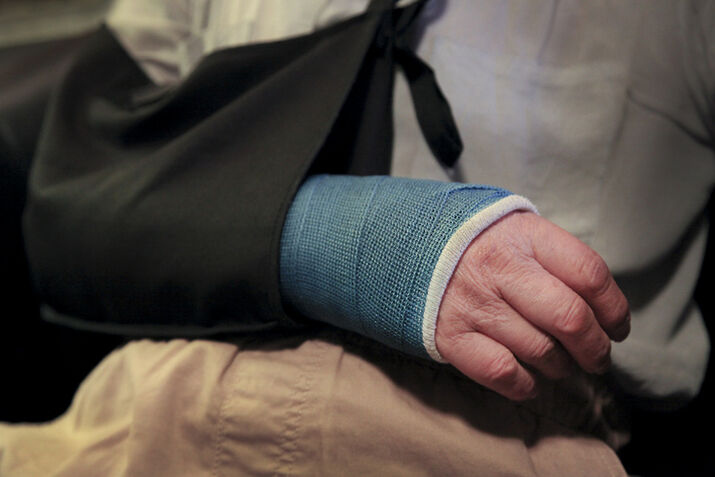
After a crash, broken bones create more than pain. They can completely change how you move, work, and take care of yourself.
You may not expect a fractured wrist or broken leg to affect your future, but in car accident claims, bone injuries carry weight. And if you live in the Bronx, you know how hard it can be to rest or recover in a fast-moving, crowded city.
At Horn Wright, LLP, we help injured New Yorkers get what they need to heal and move forward. Our attorneys know what insurance companies look for in fracture claims, and we know how to fight for fair compensation.
Whether you were hit on the Cross Bronx Expressway or rear-ended near Grand Concourse, our Bronx injury lawyers are here to support you at every step.
Recognize How Car Accidents Commonly Cause Bone Fractures
Every crash sends violent energy through the body. The structure of the vehicle and the position of the person both affect what gets hurt. In New York, where dense traffic leads to frequent stops and sudden impacts, bone injuries happen all the time.
A rear-end crash on the Cross Bronx Expressway often causes wrist fractures from gripping the steering wheel during impact. Side-impact collisions along Pelham Parkway or Tremont Avenue can force the body sideways, leading to broken ribs or hips. Even low-speed accidents on Fordham Road have caused fractured ankles from pedals slamming into feet or knees hitting the dash.
Fractures happen in seconds, but the recovery can last for months. In many cases, the victim does not realize how serious the break is until swelling and bruising settle in. That delay can make it harder to connect the injury to the crash, which is why medical care right away is so important.
Identify the Type and Severity of the Fracture
Not all fractures are treated the same way, and the difference can greatly affect the size of your settlement. A clean break may heal in six weeks with a cast. A displaced fracture or one that pierces the skin (known as a compound fracture) often needs surgery. That means more pain, longer time off work, and more medical costs.
There are several types of fractures:
- Stable or simple fractures: bones stay aligned and heal with casting
- Displaced fractures: bones move out of place and may need surgery
- Comminuted fractures: the bone shatters into multiple pieces
- Compound (open) fractures: the bone pierces through the skin, creating risk of infection
When your claim is reviewed, adjusters or a jury will look closely at your medical records. A stable ankle fracture might be seen as a short-term injury. But a shattered femur that required metal rods could justify a much higher settlement. What matters is how severe the injury is and how much it disrupts your life.
Seek Immediate Medical Treatment in the Bronx
After an accident, some people try to walk it off. But broken bones are not always obvious right away. You might think you are just sore or bruised. Then the swelling starts. Pain sharpens. And movement becomes impossible.
Getting to a doctor early makes a big difference. In the Bronx, hospitals like Montefiore Medical Center and NYC Health + Hospitals/Lincoln have imaging technology and orthopedic teams that specialize in trauma care. These providers can quickly perform X-rays or MRIs to diagnose the break and recommend treatment.
Early treatment is critical for two reasons:
- It improves your medical outcome
- It creates a strong paper trail that connects your injury to the accident
Without records from the first few days, insurers may argue the injury came from something else. Do not give them that chance. The sooner you seek care, the better your case will be.
Track Recovery Time and Physical Limitations
Healing from a fracture is not always straightforward. Even with proper treatment, bones heal slowly. Physical therapy might be necessary for full function to return. And some people never regain their previous strength or movement.
If you work in a job that requires physical labor, like construction, delivery, or sanitation, a broken bone can take you off the job for weeks or longer. Even desk workers struggle if their dominant hand is fractured or they are unable to drive.
During your recovery, track what you cannot do. Keep records of missed workdays, canceled plans, and support you have needed from others. If you can no longer cook, clean, or care for a child because of your injury, those losses are part of your claim. Real-life impact matters just as much as your X-rays.
Factor in Surgery, Hardware, and Long-Term Pain
Some fractures require more than a cast. Severe breaks may need open reduction and internal fixation, a procedure where metal rods, plates, or screws are inserted to hold bones together. This type of surgery can leave scars, reduce motion, and lead to long-term pain.
Hardware remains in the body in many cases, especially in leg or arm fractures. Others might need another procedure to remove it later. Every follow-up adds to the total cost of treatment and recovery time.
Chronic pain, arthritis, or nerve damage may follow certain fractures. For example, a fractured wrist that affects nerve pathways could cause permanent numbness or tingling. These lingering effects may not show up right away but can have a huge impact on long-term quality of life. They also increase the value of a personal injury claim.
Understand What Insurance Adjusters Look For
When you file a claim, the insurance company will review every piece of your case. Their goal is cost savings. That is why they focus so heavily on documentation and recovery timelines.
Insurance adjusters examine:
- Medical imaging (X-rays, CT scans) and physician notes
- Gaps in treatment or missed appointments
- Employer letters verifying lost time or reduced duties
- Statements from treating doctors on prognosis
They may also compare your injury to similar claims to determine what they think is reasonable. The more specific and complete your records, the stronger your negotiating position. Vague records or a delay in care can lower their estimate of what your injury is worth.
Gather Bronx-Based Evidence That Supports the Claim
Beyond medical records, you will need solid evidence that ties your injury to the crash. In New York, no-fault insurance covers some costs, but to go beyond those limits, you have to prove serious injury under state law.
Strong evidence includes:
- NYPD accident reports from the 40th, 43rd, or 52nd Precincts
- Photos of your injuries, vehicle damage, and the crash scene
- Video footage from cameras near Jerome Avenue or Burnside Avenue
- Medical records from urgent care centers or hospitals in the Bronx
If witnesses saw the crash, get their contact information. If your car was towed, keep the receipt. The more local, verifiable proof you have, the harder it becomes for insurance to deny responsibility or downplay your injury.
Calculate All Damages Before Accepting a Settlement
Never accept a settlement until you know the full cost of your injury. Insurance companies may offer quick payouts that only cover part of your medical bills. That can leave you stuck with costs down the line.
To value your claim properly, you must account for:
- Current and future medical expenses
- Time missed from work, including overtime or benefits
- Reduced future earning ability
- Pain, suffering, and emotional distress
- Out-of-pocket costs like transportation, braces, or home adjustments
Once you accept a settlement, you usually cannot reopen the claim. Make sure the offer reflects the real impact of your broken bone. If surgery is still a possibility, or if pain is ongoing, wait until your doctors can give a clear picture of the long-term outcome.
Know When a Lawsuit Becomes the Right Option
Most car accident claims settle, but not all. If your injury meets New York’s serious injury threshold, and the insurer refuses to offer enough, you may have the right to file a personal injury lawsuit.
Under New York Insurance Law Section 5102(d), a fracture generally qualifies as a serious injury. That allows you to sue the at-fault driver outside the no-fault system. You have three years from the date of the accident to file a lawsuit, but acting earlier helps you preserve evidence and witness testimony.
Some cases do not seem serious at first. Then medical complications or work loss spiral out. That is why it is smart to consult with a Bronx-based attorney early. A skilled lawyer can review your medical records, evaluate your losses, and guide you through what comes next.
Get Legal Support from Horn Wright, LLP
Broken bones from Bronx car accidents deserve serious attention. At Horn Wright, LLP, we help injured New Yorkers recover financially and physically. Our team knows how to document claims, prove damages, and push back when insurers try to settle low.
If your injury needs surgery, time off work, or long-term rehab, we will make sure your story is fully heard. Get in touch with our Bronx injury accident lawyers today to take the next step in your recovery.

What Sets Us Apart From The Rest?
Horn Wright, LLP is here to help you get the results you need with a team you can trust.
-
Client-Focused ApproachWe’re a client-centered, results-oriented firm. When you work with us, you can have confidence we’ll put your best interests at the forefront of your case – it’s that simple.
-
Creative & Innovative Solutions
No two cases are the same, and neither are their solutions. Our attorneys provide creative points of view to yield exemplary results.
-
Experienced Attorneys
We have a team of trusted and respected attorneys to ensure your case is matched with the best attorney possible.
-
Driven By Justice
The core of our legal practice is our commitment to obtaining justice for those who have been wronged and need a powerful voice.