


What To Do After a Bronx Crash in Bad Weather
Bad Weather Crashes Feel Different From the Start
A car accident in the Bronx is stressful under the best conditions. When it happens during heavy rain, snow, sleet, or fog, that stress multiplies fast. Visibility drops. Roads feel slick. Drivers around you may be panicking or rushing. In those moments, it’s hard to tell what matters most or what to do first.
If you’ve just been in a weather-related crash, take a breath before reacting. At Horn Wright, LLP, our Bronx car accident attorneys often speak with people who felt overwhelmed because the weather made everything harder. You may feel pressure to clear the road quickly or minimize the situation because conditions are bad. Don’t let that pressure push you into unsafe decisions. Weather doesn’t reduce the importance of protecting yourself. It increases it.
Get Yourself Somewhere Safe Without Creating More Risk
Bad weather turns crash scenes into danger zones. Wet pavement, icy roads, and poor visibility increase the chance of secondary collisions. Your first goal is to reduce that risk without putting yourself in harm’s way.
If your vehicle can be moved safely, pull it out of traffic to a shoulder, side street, or nearby parking area. Turn on hazard lights. If you’re injured, disoriented, or unsure whether it’s safe to move, stay put and wait for help. In snow or heavy rain, drivers may not see you until the last second, so staying visible matters as much as getting out of the lane.
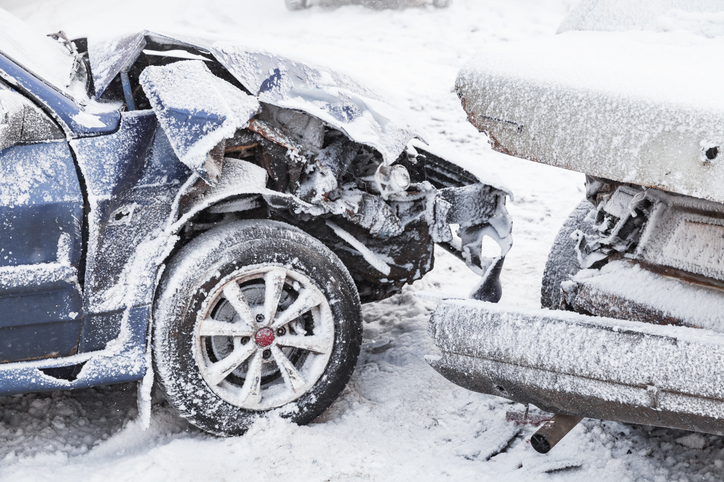
Call 911 Even If the Crash Seems Minor
Bad weather crashes often look smaller than they feel. Low-speed impacts on slick roads can still cause injuries, especially whiplash or back strain. Calling 911 brings help to the scene and creates an official record of what happened under those conditions.
When weather is a factor, documentation becomes especially important. Slippery roads, poor visibility, and reduced stopping distance all matter later when fault is questioned. Don’t assume that weather excuses anyone’s responsibility. Reporting the crash protects you, even if damage appears limited.
Take Note of the Weather Conditions Right Away
Weather changes quickly, especially in the Bronx. Rain turns to sleet. Snow intensifies. Fog lifts. What you experienced at the moment of impact may not match conditions an hour later.
As soon as you can, make mental or written notes about:
- Rain, snow, ice, or fog at the time of the crash
- Visibility and lighting conditions
- Road surface issues like pooling water or untreated ice
National weather data from the National Weather Service is often used later to confirm conditions, but your firsthand observations help explain how the crash actually unfolded.
Document the Scene Before Weather Washes It Away
Bad weather destroys evidence quickly. Rain washes away skid marks. Snow covers debris. Fog obscures distance and sightlines. If it’s safe to do so, document the scene as soon as possible.
Take photos or short videos showing vehicle positions, damage, road conditions, traffic signs, and nearby intersections. Capture standing water, icy patches, or unplowed snow if visible. Don’t worry about perfect images. Clear context matters more than quality.
Be Extra Cautious When Exchanging Information
Standing on a wet or icy road while exchanging information is risky. If conditions are unsafe, wait for police assistance rather than lingering outside vehicles.
When you do exchange information, keep it brief and factual. Weather-related crashes sometimes lead to arguments about who “should have known better.” Avoid those conversations. Stick to names, insurance details, and vehicle information.
Seek Medical Care Even If Pain Feels Delayed
Cold weather and adrenaline can mask pain after a crash. Many people don’t feel the full impact until hours later, once they warm up and calm down.
Get checked by a medical professional if you notice soreness, stiffness, headaches, or dizziness later that day or the next. Delayed treatment can complicate recovery and raise unnecessary questions about when injuries occurred.
Weather Does Not Automatically Shift Blame
There’s a common belief that bad weather makes crashes unavoidable or blameless. That’s not how responsibility works. Drivers are expected to adjust speed, following distance, and awareness based on conditions.
Road maintenance also matters. Issues like untreated ice or poor drainage sometimes play a role. Oversight of roadway conditions falls under agencies like the New York State Department of Transportation, but that doesn’t remove individual driver responsibility. Weather is context, not an excuse.
Be Careful What You Say About the Conditions
After a crash, people often say things like “the roads were terrible” or “there was nothing anyone could do.” Those comments can be taken out of context later.
You can acknowledge the weather without minimizing the crash or your injuries. Stick to describing conditions, not assigning conclusions about fault.
Insurance Questions Get More Complicated in Bad Weather
Weather-related crashes often lead to pushback from insurance companies. Adjusters may argue that conditions, not driver behavior, caused the accident. This can slow claims or reduce offers.
Clear documentation, medical records, and early reporting help counter those arguments. Bad weather doesn’t cancel coverage or responsibility. It just adds another layer to evaluate.
Take Care of the Emotional Impact Too
Crashes in severe weather can be especially unsettling. Losing control on slick roads or being hit when visibility is low can shake confidence long after the damage is repaired.
It’s normal to feel anxious driving in similar conditions afterward. Give yourself time to regain comfort. Emotional recovery is part of healing, not a weakness.
Don’t Rush to “Just Move On” Because of the Weather
Many people minimize weather-related crashes because they feel everyone was dealing with the same conditions. That mindset can lead you to downplay injuries or accept outcomes that don’t reflect what you’ve been through.
Your experience still matters. So do your injuries, your stress, and your recovery.
When Questions Start Piling Up
Once the adrenaline fades, questions often follow. Was anyone actually at fault? Will insurance cover everything? Did the weather change what I can recover?
This is often when people reach out to Bronx car accident lawyers for clarity. Understanding how weather factors into a claim can help you make decisions without guessing or second-guessing yourself.
Moving Forward After a Weather-Related Bronx Crash
A crash in bad weather can leave you feeling shaken, frustrated, and unsure of what comes next. Knowing how to respond helps you regain control during a chaotic situation.
At Horn Wright, LLP, our Bronx car accident lawyers help people navigate crashes where weather plays a role, from early documentation to long-term recovery. If you were injured in a Bronx accident during severe weather and need guidance on your next steps, call 855-465-4622 to speak with Bronx car accident attorneys who understand what you’re facing and are ready to help.

What Sets Us Apart From The Rest?
Horn Wright, LLP is here to help you get the results you need with a team you can trust.
-
Client-Focused ApproachWe’re a client-centered, results-oriented firm. When you work with us, you can have confidence we’ll put your best interests at the forefront of your case – it’s that simple.
-
Creative & Innovative Solutions
No two cases are the same, and neither are their solutions. Our attorneys provide creative points of view to yield exemplary results.
-
Experienced Attorneys
We have a team of trusted and respected attorneys to ensure your case is matched with the best attorney possible.
-
Driven By Justice
The core of our legal practice is our commitment to obtaining justice for those who have been wronged and need a powerful voice.