


Can I Sue a Driver Who Turned Left in Front of My Motorcycle in Burlington, VT?
Left-Turn Motorcycle Accidents Are Among the Most Dangerous Crashes Riders Face
Few situations are more frightening for a motorcyclist than seeing a vehicle suddenly turn left directly into their path. These crashes often happen in a matter of seconds, leaving riders with little or no opportunity to avoid impact. Because motorcycles offer far less protection than passenger vehicles, the injuries resulting from left-turn collisions are frequently severe.
Many riders leave these accidents wondering whether they have the right to pursue compensation against the driver who made the turn. In many situations, the answer may be yes. However, determining liability often requires a careful examination of how the crash occurred and whether the turning driver acted negligently.
Working with experienced Burlington motorcycle accident lawyers can help injured riders understand their legal options after a left-turn collision. At Horn Wright, LLP, our attorneys investigate motorcycle accidents, gather evidence, and pursue claims against negligent drivers who create dangerous situations on Vermont roadways. Understanding how these crashes happen can provide important insight into potential claims.
Left-Turn Collisions Often Occur at Intersections
Many left-turn motorcycle accidents take place at intersections where drivers are attempting to cross opposing traffic lanes. A driver may be waiting to turn left and decide there is enough time to complete the maneuver. Unfortunately, that judgment is not always correct.
Motorcycles can be more difficult to detect than larger vehicles because of their smaller profile. Drivers sometimes underestimate how quickly an approaching motorcycle is traveling or fail to see it altogether. These mistakes can have devastating consequences.
Intersections require drivers to make numerous decisions in a short period. Traffic signals, pedestrians, cross traffic, and other vehicles all compete for attention. When a driver fails to properly account for an approaching motorcycle, a collision may result.
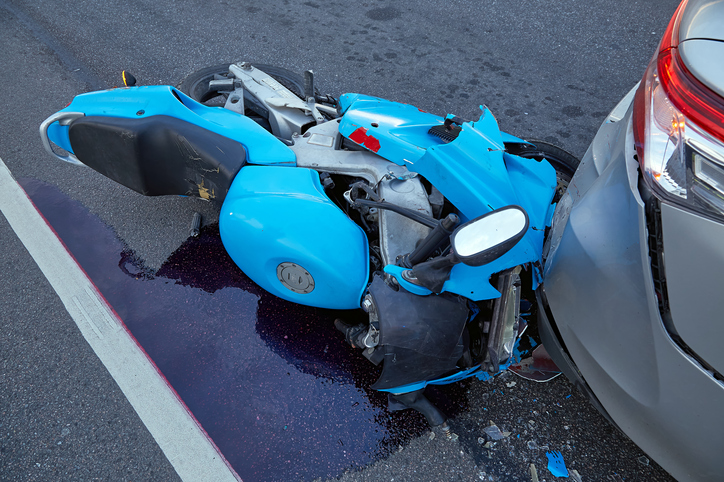
Drivers Often Have a Duty to Yield Before Turning Left
In many traffic situations, drivers attempting a left turn must yield the right-of-way to oncoming traffic. This duty exists because turning across opposing lanes creates inherent risks. Failing to yield can place other motorists directly in harm's way.
When a motorcycle is traveling lawfully through an intersection, the rider often expects other vehicles to respect that right-of-way. A driver who turns unexpectedly may eliminate the rider's ability to avoid a crash. These situations frequently become central to liability investigations.
The fact that a collision occurred during a left turn does not automatically establish fault. However, right-of-way rules often play a significant role in determining responsibility. Investigators typically examine these issues closely.
"I Never Saw the Motorcycle" Is a Common Explanation
One statement frequently heard after left-turn motorcycle accidents is, "I never saw the motorcycle." Drivers often claim they looked before turning but failed to notice the approaching rider. While this explanation may be genuine, it does not necessarily eliminate liability.
Drivers are generally expected to maintain a proper lookout before crossing traffic lanes. Failing to observe an approaching motorcycle can still constitute negligence if a reasonably attentive driver would have noticed the rider. Visibility arguments often become important parts of these cases.
Investigators may examine sightlines, weather conditions, lighting, traffic patterns, and other factors to evaluate these claims. The question is often whether the motorcycle should have been visible under the circumstances. Thorough analysis is frequently necessary.
Riders Often Have Very Little Time to React
One reason left-turn motorcycle accidents are so dangerous is the limited time riders have to respond. When a vehicle suddenly turns across a motorcycle's path, the available reaction window may be measured in fractions of a second. Even experienced riders may be unable to avoid impact.
Motorcycles require both braking distance and maneuvering space to avoid hazards. A rider confronted with an unexpected left-turning vehicle may have insufficient room to stop or change direction safely. These physical realities often become relevant during investigations.
Insurance companies sometimes argue that a rider should have reacted differently. However, accident reconstruction evidence often reveals that avoidance opportunities were extremely limited. Understanding reaction times is frequently important.
Visibility Misjudgments Frequently Contribute to These Crashes
Drivers do not always fail to see motorcycles entirely. In some cases, they see the motorcycle but misjudge its distance or speed. This phenomenon is sometimes referred to as a perception error.
Because motorcycles occupy less visual space than passenger vehicles, estimating their approach speed can be challenging. A driver may mistakenly believe there is enough time to complete a turn when there is not. The result can be a devastating collision.
Investigators often examine vehicle positions and timing to evaluate whether such errors occurred. Understanding how the driver's decision was made can help clarify liability issues. These analyses frequently play a significant role in left-turn cases.
Serious Injuries Are Common in Left-Turn Motorcycle Accidents
The forces involved in a left-turn collision can be substantial. Riders may strike the turning vehicle directly or be thrown from the motorcycle after impact. These crashes often result in injuries that require extensive medical treatment.
Common injuries may include fractures, traumatic brain injuries, spinal injuries, internal trauma, and severe road rash. Recovery periods can be lengthy and financially burdensome. The consequences often extend well beyond the initial emergency treatment.
Because injuries are frequently severe, damages in these cases may be significant. Medical expenses, lost wages, rehabilitation costs, and future treatment needs often become important issues. Comprehensive evaluation is usually necessary.
Evidence Often Determines How Liability Is Assessed
As with many motorcycle accident claims, evidence frequently plays a central role in determining fault. The more information available regarding the circumstances of the collision, the easier it may be to evaluate competing accounts of what happened.
Helpful evidence may include:
- Traffic camera footage
- Witness statements
- Police reports
- Crash scene photographs
- Vehicle damage documentation
These materials may help establish vehicle positions, timing, and driver actions. Strong evidence often strengthens liability arguments. Early preservation efforts can be valuable.
Insurance Companies May Try to Blame the Rider
Even when a driver turns left across a rider's path, insurance companies sometimes attempt to shift some responsibility to the motorcyclist. Allegations regarding speed, lane positioning, or rider visibility are common. These arguments may affect settlement negotiations.
Motorcyclists occasionally face unfair assumptions regarding their riding behavior. Insurers may attempt to use those assumptions to reduce claim values. Objective evidence often provides the most effective response.
Careful investigation can help determine whether blame-shifting arguments are supported by facts. Not every allegation withstands scrutiny. Thorough case development frequently becomes important.
Certain Factors Can Affect the Strength of a Claim
Every left-turn accident presents unique facts. Several issues may influence how liability and damages are evaluated. Understanding these considerations can help riders better understand the legal process.
Factors often examined include:
- Right-of-way issues
- Traffic signal status
- Vehicle speed
- Visibility conditions
- Driver attentiveness
These factors may help explain why the collision occurred. Investigators often analyze multiple issues simultaneously. No single factor necessarily determines the outcome.
Documentation Helps Demonstrate the Impact of the Crash
In addition to proving fault, injured riders must often demonstrate the extent of their losses. Thorough documentation may help establish both economic and non-economic damages. Maintaining organized records is frequently beneficial.
Helpful records may include:
- Medical records
- Treatment bills
- Employment documentation
- Rehabilitation records
- Photographs of injuries
These materials help illustrate how the accident affected the rider's life. Comprehensive documentation often strengthens settlement discussions and litigation efforts. The more complete the records, the stronger the overall presentation may be.
Government Resources Highlight Motorcycle Intersection Risks
Several government agencies study motorcycle crashes and roadway safety. While these organizations do not determine liability in individual claims, their research helps explain why left-turn collisions remain a major danger for riders. These resources provide useful context regarding motorcycle safety.
The National Highway Traffic Safety Administration publishes research concerning motorcycle crashes, intersection safety, rider visibility, and driver awareness. Its studies help explain why left-turn accidents frequently result in serious injuries.
The Federal Highway Administration provides information regarding intersection design, traffic operations, and roadway safety initiatives. These materials help illustrate how intersections present unique risks for motorcyclists and other road users.
Many Left-Turn Collisions Are Preventable
Left-turn motorcycle accidents often occur because a driver makes a decision without fully accounting for an approaching rider. Whether the issue involves visibility, misjudged speed, distraction, or failure to yield, these crashes frequently stem from preventable errors. Understanding how the collision occurred is often the key to determining liability.
Motorcyclists injured in these accidents should not assume the driver's explanation tells the whole story. A careful investigation may reveal important facts regarding right-of-way, visibility, and driver conduct. Those facts often form the foundation of a successful injury claim.
Speak With Horn Wright, LLP, About Your Burlington Motorcycle Accident Claim
If a driver turned left in front of your motorcycle in Burlington or elsewhere in Vermont, you may have the right to pursue compensation for your injuries and losses. Horn Wright, LLP, helps injured riders investigate intersection crashes, establish liability, and pursue claims against negligent drivers and insurance companies.
To discuss your situation during a confidential consultation, contact our Burlington motorcycle accident lawyers today at 802-328-9098.

What Sets Us Apart From The Rest?
Horn Wright, LLP is here to help you get the results you need with a team you can trust.
-
Client-Focused ApproachWe’re a client-centered, results-oriented firm. When you work with us, you can have confidence we’ll put your best interests at the forefront of your case – it’s that simple.
-
Creative & Innovative Solutions
No two cases are the same, and neither are their solutions. Our attorneys provide creative points of view to yield exemplary results.
-
Experienced Attorneys
We have a team of trusted and respected attorneys to ensure your case is matched with the best attorney possible.
-
Driven By Justice
The core of our legal practice is our commitment to obtaining justice for those who have been wronged and need a powerful voice.