


Who Is Responsible for a Motorcycle Crash Caused by Gravel or Debris in the Road?
Dangerous Debris Can Turn an Ordinary Ride Into a Serious Accident
Motorcyclists face hazards that many other drivers barely notice. A small patch of loose gravel, a piece of fallen cargo, or scattered construction debris may seem insignificant from inside a passenger vehicle. For a rider balancing on two wheels, however, those same hazards can cause an immediate loss of control.
These accidents often happen without warning. A rider may be traveling responsibly when the motorcycle suddenly encounters loose material or an unexpected object in the roadway. The resulting crash can lead to serious injuries, substantial medical expenses, and months of recovery.
Determining who is responsible for a debris-related motorcycle accident is not always simple. Unlike a traditional collision, there may not be another vehicle directly involved in the crash itself. Working with experienced Burlington motorcycle accident attorneys can help riders investigate what caused the hazard and whether another party may be legally responsible for the resulting injuries.
Not All Road Debris Appears by Accident
Many roadway hazards do not simply materialize on their own. Debris often reaches the roadway because someone failed to properly secure cargo, maintain a worksite, or remove known hazards. Understanding how the material got there is often one of the first steps in determining liability.
A truck carrying landscaping materials may lose gravel during transport. A construction project may leave loose materials behind after workers leave for the day. In other situations, damaged vehicle parts, fallen merchandise, or unsecured loads may create dangerous conditions for motorcyclists.
The source of the debris often provides important clues regarding responsibility. Identifying how the hazard entered the roadway can help investigators determine who may have had a duty to prevent the danger from occurring.
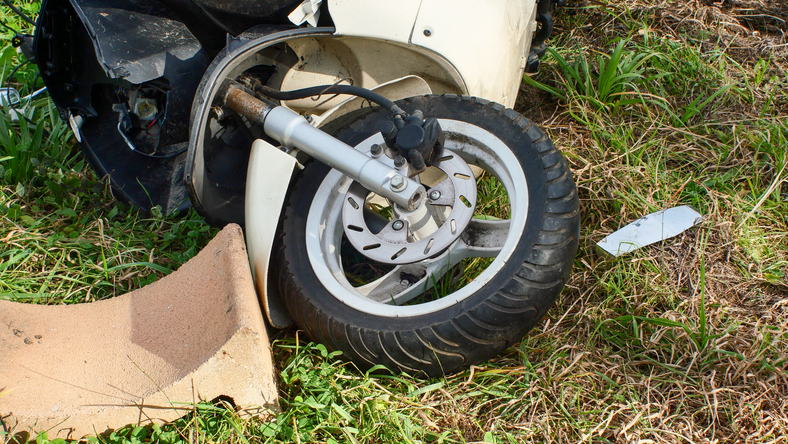
Loose Gravel Creates Unique Risks for Motorcycles
Few road hazards create more anxiety for riders than loose gravel. Motorcycles depend heavily on tire traction to maintain stability during acceleration, braking, and cornering. When tires suddenly encounter loose material, that traction can disappear in an instant.
The danger becomes even greater during turns. Riders leaning into a curve may have very little opportunity to recover once the tires begin sliding. A small amount of gravel can sometimes trigger a crash that results in severe injuries.
Drivers of passenger vehicles often underestimate how dangerous loose gravel can be. What feels like a minor roadway inconvenience inside a car may present a serious threat to a motorcyclist. This difference often becomes important when evaluating liability.
Cargo Spills Can Lead to Liability Claims
Commercial vehicles transport thousands of loads across Vermont roadways every day. State and federal regulations generally require cargo to be secured properly during transportation. When those precautions fail, debris may spill onto the roadway and create hazards for other motorists.
A motorcycle rider may never actually collide with the truck that lost the cargo. Instead, the rider may crash while attempting to avoid debris or after encountering materials left behind on the road. Even without direct vehicle contact, liability may still exist under certain circumstances.
Investigators often examine cargo loading procedures, vehicle inspections, and transportation records when evaluating these claims. Understanding how the materials escaped can help establish whether negligence occurred.
Construction Projects Sometimes Contribute to Roadway Hazards
Construction zones frequently involve gravel, dirt, pavement fragments, and other materials that can create dangers for riders. Contractors generally have responsibilities related to maintaining reasonably safe conditions and providing adequate warnings about hazards.
Problems can arise when loose materials spread beyond the immediate work area. Rain, traffic, and wind may carry debris into active travel lanes. Riders who are not given sufficient warning may have little opportunity to avoid dangerous conditions.
Construction-related claims often focus on site management practices and safety procedures. Questions may arise regarding inspections, cleanup efforts, and traffic control measures. The details surrounding the project often become important parts of the investigation.
Some Hazards Develop Gradually Over Time
Not every debris-related accident stems from a sudden event. Certain roadway hazards develop over days, weeks, or even months. Repeated vehicle traffic may scatter loose materials across a roadway long before an accident occurs.
For example, gravel from a deteriorating shoulder may slowly migrate into a travel lane. Dirt and debris may accumulate in areas where drainage systems are not functioning properly. These conditions can become increasingly dangerous if they remain unaddressed.
The length of time a hazard existed often becomes an important issue. A roadway condition that persisted for an extended period may raise different questions than debris that appeared only moments before a crash.
The Responsible Party May Not Be Immediately Obvious
One challenge in debris-related motorcycle accidents is that responsibility is not always easy to identify. Unlike a typical traffic collision, there may not be a police report identifying another driver at the scene. Determining liability often requires a deeper investigation.
Several parties may potentially be involved depending on the circumstances. The facts surrounding the roadway hazard usually determine where investigators focus their attention. Every case presents unique questions.
Potentially responsible parties may include:
- Trucking companies
- Commercial drivers
- Construction contractors
- Property owners
- Government agencies
Identifying the correct party often requires careful examination of how the hazard developed. Multiple entities may sometimes share responsibility for the dangerous condition.
Motorcycle Riders Often Face Visibility Challenges
Debris-related accidents frequently occur because riders have limited time to recognize and respond to hazards. A patch of gravel may blend into the roadway surface. A piece of cargo may appear suddenly after another vehicle changes lanes.
Motorcycles require space and time to maneuver safely. Riders confronted with unexpected debris may have only seconds to decide whether to brake, swerve, or continue forward. None of those options may be entirely safe under the circumstances.
These split-second decisions often become part of the accident investigation. Understanding what the rider could realistically see and do may help explain how the crash occurred.
Transportation Agencies Continue Studying Roadway Hazards
Roadway debris and surface hazards remain important safety concerns for transportation officials throughout the country. Several government agencies conduct research regarding roadway maintenance, hazard mitigation, and motorcycle safety. While these organizations do not determine liability in individual injury claims, their work helps explain why roadway debris presents unique risks to motorcyclists.
The Federal Highway Administration (FHWA) conducts extensive research on roadway conditions, maintenance practices, transportation infrastructure, and traffic safety. Its studies examine how roadway hazards develop and how agencies can improve safety for all road users. These resources provide valuable insight into the risks associated with loose materials and roadway defects.
The Vermont Agency of Transportation (VTrans) oversees many aspects of roadway maintenance and transportation infrastructure throughout the state. The agency's work includes roadway inspections, maintenance planning, and efforts to improve travel safety. Its resources help explain how roadway conditions are monitored and addressed across Vermont.
Physical Evidence Often Disappears Quickly
One of the biggest challenges in debris-related motorcycle accidents is that the hazard may be removed shortly after the crash occurs. Traffic, weather, maintenance crews, and cleanup efforts can quickly alter the accident scene. Important evidence may disappear within hours.
Photographs taken immediately after the accident can be especially valuable. Images showing roadway conditions, debris location, and surrounding traffic patterns may help preserve information that later becomes unavailable. Witness observations may also provide important context. Because conditions change so quickly, early documentation is often critical. The more information preserved after the crash, the easier it may be to understand what caused the accident.
Injuries Can Be Severe Even Without Direct Vehicle Contact
Some people assume that debris-related accidents are less serious because another vehicle did not physically strike the rider. Unfortunately, motorcycle crashes involving roadway hazards often produce severe injuries. The forces involved can be substantial even without a direct collision.
Riders may be thrown from the motorcycle, slide across the roadway, or collide with roadside objects after losing control. These accidents frequently result in fractures, traumatic brain injuries, spinal injuries, and extensive road rash. Recovery can be lengthy and expensive.
The absence of another vehicle does not diminish the seriousness of the injuries. Many riders face the same physical, financial, and emotional challenges that follow other major motorcycle accidents.
Determining Responsibility Often Requires a Thorough Investigation
Motorcycle accidents involving gravel, debris, and roadway hazards rarely have simple answers. Identifying who created the hazard, who knew about it, and who had the ability to correct it often requires substantial investigation. The facts surrounding the roadway condition frequently determine the strength of a claim.
Every debris-related accident presents its own unique circumstances. Understanding how the hazard developed and whether it could have been prevented is often the key to determining liability. A careful investigation can help reveal who may ultimately be responsible for the rider's injuries.
Speak With Horn Wright, LLP, About Your Burlington Motorcycle Accident Claim
If loose gravel, roadway debris, or another hazard contributed to your motorcycle accident in Burlington or elsewhere in Vermont, you may have the right to pursue compensation for your injuries and losses. Horn Wright, LLP, helps injured riders investigate roadway hazard crashes, identify potentially responsible parties, and pursue claims against those whose negligence contributed to the accident. To discuss your situation during a confidential consultation, contact our Burlington motorcycle accident lawyers today at 802-328-9098.

What Sets Us Apart From The Rest?
Horn Wright, LLP is here to help you get the results you need with a team you can trust.
-
Client-Focused ApproachWe’re a client-centered, results-oriented firm. When you work with us, you can have confidence we’ll put your best interests at the forefront of your case – it’s that simple.
-
Creative & Innovative Solutions
No two cases are the same, and neither are their solutions. Our attorneys provide creative points of view to yield exemplary results.
-
Experienced Attorneys
We have a team of trusted and respected attorneys to ensure your case is matched with the best attorney possible.
-
Driven By Justice
The core of our legal practice is our commitment to obtaining justice for those who have been wronged and need a powerful voice.