


Can Uber or Lyft Be Liable for a Passenger’s Death in Burlington?
After a fatal rideshare accident, families often face overwhelming grief, unexpected expenses, and difficult questions about accountability. When a passenger dies during an Uber or Lyft trip, determining who bears legal responsibility is rarely simple. Several parties may share fault, and the facts behind the crash can shape the outcome of a wrongful death claim. In Burlington, VT, where rideshare services connect residents, students, visitors, and airport travelers every day, these cases require a close look at driver conduct, insurance coverage, company policies, and Vermont law.
At Horn Wright, LLP, our VT wrongful death lawyers understand how devastating a fatal accident can be for surviving family members. While no legal claim can replace a loved one, pursuing accountability may help provide financial stability and answers during a painful time. Families deserve clear information about their rights and the legal options available after a fatal Uber or Lyft accident in Burlington, VT.
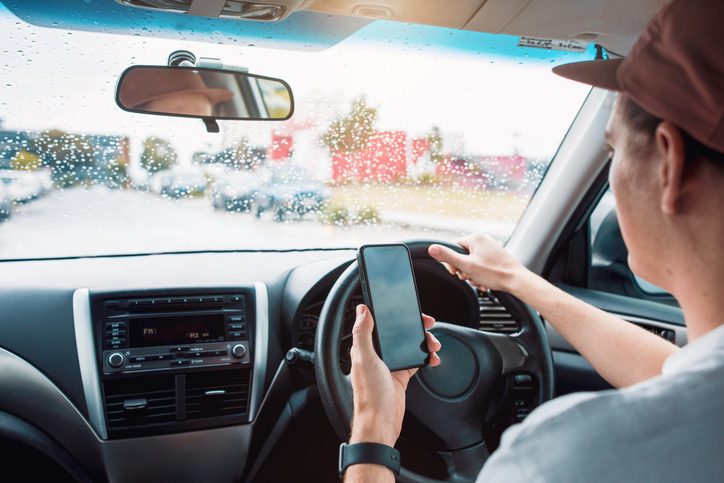
How Uber and Lyft Operate in Burlington, VT
Uber and Lyft have become a common part of daily transportation in Burlington, serving residents, students, and visitors traveling throughout the city and to destinations such as Burlington International Airport. These rideshare platforms offer a convenient alternative to driving and are widely used for both personal and business travel. Unlike traditional taxi services, Uber and Lyft classify their drivers as independent contractors rather than employees. Drivers use their own vehicles and connect with passengers through a mobile application.
This independent contractor structure often becomes a key issue when determining liability after a fatal accident. Uber and Lyft frequently argue that drivers operate independently, which can affect whether the companies are directly responsible for a passenger’s death. However, that classification does not automatically protect rideshare companies from legal claims. Courts and investigators may review company policies, driver screening procedures, and insurance coverage when evaluating a fatal rideshare accident.
What Causes Fatal Uber and Lyft Accidents?
Many fatal rideshare crashes stem from the same dangerous behaviors that contribute to other motor vehicle accidents. Drivers may become distracted by navigation apps, incoming ride requests, or activity inside the vehicle. Speeding, aggressive driving, fatigue, and impairment can also increase the risk of a deadly collision. These factors often combine to create situations where a driver has little time to react and avoid a crash.
Road conditions may also play a role. Burlington drivers face changing weather throughout the year. Snow, ice, freezing rain, and reduced visibility can create hazardous conditions that demand extra caution. When drivers fail to adjust to those conditions, serious crashes can occur. As a result, even routine trips can become dangerous when weather-related hazards are not properly addressed.
Several factors may combine to cause a fatal accident:
- Distracted driving
- Excessive speed
- Impaired driving
- Driver fatigue
- Vehicle defects
- Dangerous roadway conditions
A rideshare passenger’s death does not always result from the Uber or Lyft driver’s actions alone. Another motorist may have caused the crash. A defective vehicle component could have contributed to the collision. In some situations, investigators discover that multiple parties share responsibility. That is one reason a thorough investigation remains so important in Burlington wrongful death cases involving rideshare services.
When Can Uber or Lyft Be Held Liable for a Passenger’s Death?
The answer depends on the specific circumstances of the accident and what the rideshare driver was doing at the time of the crash. Liability and available insurance coverage can change depending on whether the driver was offline, waiting for a ride request, or actively transporting a passenger. When a passenger is inside the vehicle during an active trip, Uber and Lyft generally provide substantial insurance coverage that may help compensate surviving family members. However, the existence of insurance coverage does not automatically mean the rideshare company acted negligently.
In some cases, Uber or Lyft may face direct liability if evidence shows company misconduct contributed to the passenger’s death. Investigators may review background check procedures, reports about unsafe drivers, and company safety practices to determine whether the company failed to protect passengers. A wrongful death claim can involve both the driver’s negligence and separate allegations against the rideshare company itself. Courts often rely on records, digital communications, and company policies to evaluate these claims, making a thorough investigation essential.
Understanding Vermont Wrongful Death Claims After a Rideshare Fatality
Vermont law allows certain family members and estate representatives to pursue compensation when negligence causes a person's death. A wrongful death claim seeks to address the financial and personal losses that surviving loved ones experience after a fatal accident. Understanding these legal provisions can help families make informed decisions during a difficult time. These claims also provide a legal pathway for families to seek accountability from those responsible for their loved one's death.
These claims serve a different purpose than criminal proceedings. Even if no criminal charges are filed, a civil wrongful death claim may still proceed. The focus remains on establishing liability and obtaining compensation for losses connected to the death. This allows families to seek financial recovery regardless of whether a criminal case is pursued.
Damages in a Burlington wrongful death case may include:
- Medical expenses incurred before death
- Funeral and burial costs
- Lost future income and benefits
- Loss of financial support
- Loss of companionship and guidance
The impact of a fatal accident often extends far beyond immediate expenses. Families may lose years of income, support, and personal relationships. Vermont wrongful death laws recognize those broader consequences and allow compensation that reflects the full scope of the loss. As a result, courts may consider both tangible financial losses and the lasting effects on a family’s daily life.
Related Wrongful Death Claims Involving Fatal Traffic Accidents
Fatal rideshare accidents are only one type of wrongful death case that may arise from transportation-related negligence, and families facing similar losses often encounter comparable legal challenges. Questions surrounding a fatal motorcycle crash in Vermont frequently involve many of the same liability and compensation issues seen in rideshare wrongful death claims. Likewise, legal remedies available after a pedestrian is killed may depend on proving negligence and identifying all responsible parties. Understanding how fault is established can be critical in any transportation-related wrongful death case.
Families may also have the right to pursue compensation after a fatal bicycle accident in Burlington, particularly when driver misconduct or unsafe roadway conditions contribute to the tragedy. Although each type of accident presents unique facts, many wrongful death claims share common legal principles. Investigations often focus on determining who was responsible and what damages resulted from the loss. Pursuing accountability can help families seek financial recovery and answers after a devastating event.
Insurance Coverage Often Plays a Major Role
Insurance issues are often among the most contested aspects of a fatal Uber or Lyft accident claim. Multiple insurance policies may apply, and insurers frequently conduct extensive investigations before approving benefits. A rideshare driver’s personal insurance policy may provide coverage in some situations, but many policies contain exclusions for commercial vehicle use. These exclusions can create disputes over which insurer is responsible for paying a claim.
Uber and Lyft also maintain insurance coverage that may apply depending on whether the driver was waiting for a ride request, en route to a passenger, or actively transporting someone. Coverage limits can vary significantly based on the driver’s status within the app at the time of the crash. Families often face delays as insurers dispute liability and review documents, electronic records, and other evidence. These challenges can add stress during an already difficult time and may affect the compensation available after a fatal Burlington rideshare accident.
Evidence Can Determine Who Is Responsible
Strong evidence often forms the foundation of a successful wrongful death claim, especially because rideshare vehicles generate extensive digital data that may not exist in other accident cases. Electronic records such as app activity and GPS data can reveal the driver’s status, speed, location, route, and trip details at the time of the collision. These records often help investigators reconstruct the events leading up to a passenger’s death. By analyzing this information, investigators can better determine how the crash occurred and who may be responsible.
Physical evidence also plays a critical role in establishing liability after a fatal rideshare accident. Investigators may review vehicle damage, accident scene photographs, police reports, crash reconstruction findings, and surveillance footage from nearby cameras or businesses. Witness testimony from passengers, bystanders, first responders, and experts can provide additional insight into the circumstances surrounding the collision. When digital records, physical evidence, and witness accounts are considered together, they often create a clearer picture of what caused the fatal accident.
Other Parties May Share Liability
Many people assume that liability rests solely with the rideshare driver or company, but fatal accident investigations often reveal that multiple parties contributed to the collision. Another driver may bear responsibility if they were speeding, driving under the influence, or violating traffic laws. Vehicle manufacturers can also face liability when defective brakes, steering systems, airbags, or other safety components contribute to a fatal crash. Identifying all responsible parties is important because it helps families pursue every available source of compensation.
Government entities may also share liability when poor road design, inadequate maintenance, malfunctioning traffic signals, or other dangerous roadway conditions contribute to an accident. Determining whether a public entity is responsible often requires a detailed examination of the roadway and surrounding circumstances. Federal roadway safety data and transportation research are maintained by the National Highway Traffic Safety Administration. A thorough investigation can help uncover every factor that played a role in a fatal rideshare accident in Burlington, VT.
Why Local Conditions Matter in Burlington Accident Investigations
Every community presents unique driving conditions, and Burlington is no exception. Local investigators often examine how regional traffic patterns, weather conditions, and roadway characteristics contributed to a crash. Winter weather can affect visibility, traction, and stopping distances, making seasonal conditions an important factor during accident reconstruction. Drivers who fail to adapt to snow-covered or icy roads may create dangerous situations for passengers and other motorists.
Roadways such as Interstate 89 carry significant traffic volume and can present unique challenges during periods of congestion or adverse weather. Investigators may evaluate traffic flow patterns, intersection design, road maintenance records, and other local factors when determining fault. Local police reports, witness statements, and scene evidence frequently provide valuable information that supports a comprehensive investigation. Understanding the conditions that existed in Burlington at the time of the crash can help clarify how the accident occurred and who may bear responsibility.
Steps Families Should Consider After a Fatal Rideshare Accident
The period following a loved one’s death often feels overwhelming. Important documents, insurance communications, and evidence can quickly become difficult to track. Taking organized steps early may help preserve information that becomes important later. This proactive approach can reduce complications as legal and insurance matters begin to unfold.
Families should maintain records related to the accident and its financial impact whenever possible. Documentation can help establish damages and support future legal claims. Having complete and organized records can also make it easier to respond to requests from insurers and investigators. These records may prove especially valuable as questions about liability and compensation are addressed over time.
Important records may include:
- Police reports
- Medical records
- Funeral expenses
- Insurance correspondence
- Employment and income documentation
- Accident-related photographs
Families should also pay close attention to communications from insurance companies. Early settlement discussions may occur before the full extent of losses becomes clear. Keeping detailed records and preserving available evidence can help protect the integrity of a wrongful death claim while investigators continue to examine the facts surrounding the collision. Careful documentation can help ensure that important details are not overlooked during the claims process.
Seeking Answers After a Fatal Uber or Lyft Accident in Burlington, VT
A passenger’s death during an Uber or Lyft trip can leave families searching for answers at one of the most painful moments of their lives. Liability may extend beyond the rideshare driver and, in some cases, may involve Uber, Lyft, insurers, vehicle manufacturers, other motorists, or additional parties. Determining responsibility requires a careful review of the evidence, applicable insurance coverage, and Vermont wrongful death law.
At Horn Wright, LLP, our attorneys help families understand their legal options and pursue accountability when negligence contributes to a fatal rideshare accident in Burlington, VT. Contact us today to obtain experienced legal guidance and take an important step toward securing answers, protecting your rights, and pursuing financial stability after a devastating loss.

What Sets Us Apart From The Rest?
Horn Wright, LLP is here to help you get the results you need with a team you can trust.
-
Client-Focused ApproachWe’re a client-centered, results-oriented firm. When you work with us, you can have confidence we’ll put your best interests at the forefront of your case – it’s that simple.
-
Creative & Innovative Solutions
No two cases are the same, and neither are their solutions. Our attorneys provide creative points of view to yield exemplary results.
-
Experienced Attorneys
We have a team of trusted and respected attorneys to ensure your case is matched with the best attorney possible.
-
Driven By Justice
The core of our legal practice is our commitment to obtaining justice for those who have been wronged and need a powerful voice.