


Can You File a Wrongful Death Claim After a Defective Product Causes a Death?
Understanding Your Rights After a Fatal Product Defect
A defective product can change a family’s life in seconds. People buy vehicles, appliances, medical devices, tools, and consumer products with the expectation that they will work safely when used as intended. When a dangerous defect causes a fatal injury, the loss reaches far beyond the accident itself. Families often face grief, financial strain, and unanswered questions about what went wrong.
If you have lost a loved one because of a dangerous product, speaking with experienced Burlington VT wrongful death lawyers may help you understand your legal options under Vermont law. At Horn Wright, LLP, our attorneys understand how overwhelming these situations can feel. We help families explore whether a wrongful death claim and a product liability claim may provide a path toward accountability.
What Is a Wrongful Death Claim in Vermont?
A wrongful death claim allows certain surviving family members to seek compensation when another party’s actions cause a person’s death. In Vermont, these claims help families recover damages related to their loss while holding responsible parties accountable. Unlike a criminal case, a wrongful death claim is a civil matter focused on addressing the financial and personal impact of a fatal incident. The goal is to provide surviving loved ones with a legal path to seek compensation for the harm they have suffered.
When a defective product contributes to a death, a wrongful death claim is often closely tied to product liability law. These cases examine whether a defect existed, whether it caused the fatal injury, and whether a manufacturer, distributor, or seller may be responsible. Families pursuing a wrongful death claim in Burlington, VT often seek both financial recovery and answers about how the tragedy occurred. A thorough investigation can help determine liability and support the family’s pursuit of accountability.
How Defective Products Cause Fatal Accidents
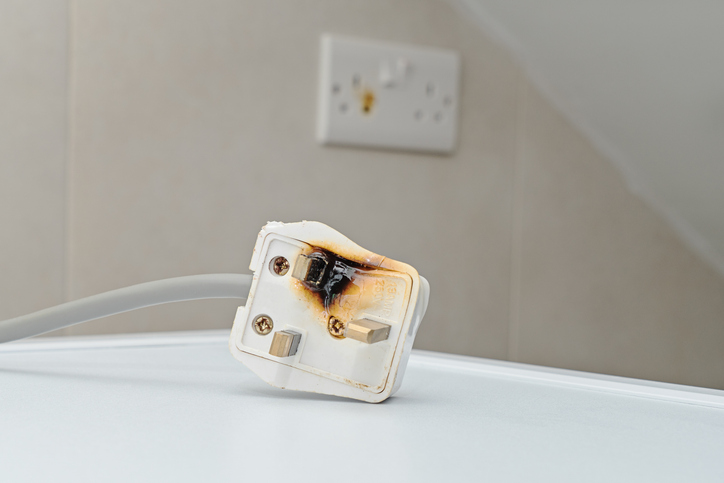
Product defects appear in many forms. Some develop during manufacturing. Others stem from unsafe designs that place consumers at risk even when the product is used correctly. In some situations, a company fails to provide warnings about known dangers, leaving users unaware of serious hazards. Each type of defect can create serious safety risks that may not become apparent until an accident occurs.
Dangerous products can lead to fatal injuries through several mechanisms. Fires, explosions, electrical failures, toxic exposure, mechanical malfunctions, and structural breakdowns can all produce devastating consequences. These incidents may occur at home, at work, on the road, or in healthcare settings. Regardless of where they happen, the resulting injuries can have life-altering effects on victims and their families.
Products linked to fatal accidents often include:
- Motor vehicles and vehicle components
- Medical devices
- Household appliances
- Children’s products
- Industrial equipment
- Power tools
A fatal defect may remain hidden until a catastrophic event occurs. In some cases, investigators discover that similar incidents happened elsewhere before the death. Information maintained by the U.S. Consumer Product Safety Commission often highlights recalls and safety concerns involving consumer products. A defective product claim in Burlington, VT frequently requires careful examination of both the product itself and the events leading to the fatal injury.
Can a Defective Product Support Both a Product Liability Claim and a Wrongful Death Claim?
A fatal product defect can give rise to both a product liability claim and a wrongful death claim. Product liability law focuses on whether a defective product caused the fatal injury, while wrongful death law addresses the losses suffered by surviving family members. These legal theories often work together in the same case. Attorneys and investigators examine whether a manufacturer, distributor, retailer, or another party placed an unsafe product into the stream of commerce.
If evidence shows that a defect caused the death, the product liability claim helps establish responsibility for the dangerous product. At the same time, the wrongful death claim addresses losses such as reduced household income, emotional suffering, changes in family relationships, and future financial hardship. A Burlington product liability attorney may gather evidence related to both the defect and the damages experienced by loved ones. Successfully pursuing these claims requires evidence that directly connects the product defect to the fatal outcome.
Other Circumstances That May Lead to Wrongful Death Claims
Wrongful death claims are not limited to defective products. Vermont families may also pursue claims when negligence or unsafe conditions lead to a fatal injury. Incidents involving dangerous property conditions and other preventable hazards may give rise to legal action. Each case depends on the specific facts and circumstances surrounding the loss.
For example, fatal slip and fall accidents can sometimes support a wrongful death claim when a property owner’s negligence contributes to the incident. These cases often require a careful investigation into the conditions that caused the accident. Evidence may be needed to establish liability and demonstrate the extent of the family’s losses. Understanding the available legal options can help families determine the best path forward after a tragic loss.
Property Safety and Wrongful Death Liability
Liability for a wrongful death can sometimes extend beyond product manufacturers. In some situations, negligent property owners may also be held responsible when unsafe conditions or inadequate safety measures contribute to a fatal incident. These cases often involve questions about whether a dangerous situation was foreseeable and could have been prevented.
Issues involving poor security and wrongful death lawsuits may arise when property owners fail to address known risks. A lack of proper lighting, security personnel, or other protective measures can sometimes play a role in a fatal event. Determining liability depends on the specific facts and whether reasonable steps were taken to protect visitors.
What Evidence Helps Prove a Wrongful Death Claim Involving a Defective Product?
Evidence often determines whether a wrongful death product liability claim succeeds. Families may not realize how important certain items become during an investigation. Preserving evidence early can make a significant difference in understanding exactly what happened. The sooner key evidence is identified and protected, the stronger the foundation for a thorough review of the incident.
The product itself frequently serves as the most important piece of evidence. Damage patterns, mechanical failures, and design characteristics may reveal critical information. Investigators often analyze the product carefully before any repairs, modifications, or disposal occur. This examination can help uncover whether a defect played a direct role in causing the fatal injury.
Important evidence may include:
- The product involved in the incident
- Product packaging
- User manuals and warnings
- Purchase receipts
- Maintenance records
- Medical records
Experts often play a major role in these cases. Engineers may evaluate design issues. Medical professionals may examine the relationship between the defect and the fatal injury. Safety specialists may assess whether the product met accepted standards. Their findings can help establish how the incident occurred.
Additional evidence may come from witness statements, photographs, surveillance footage, recall notices, and government investigations. Medical records from facilities such as the University of Vermont Medical Center may provide valuable information regarding injuries and treatment. Information published by the U.S. Food and Drug Administration can be relevant when defective medical devices or medications are involved. Prompt evidence collection often helps investigators better understand the events that led to the death.
Why Timing Matters in a Vermont Wrongful Death Case
Time can affect nearly every aspect of a wrongful death product liability claim, as Vermont law establishes deadlines that govern when legal action must begin. Missing a filing deadline can limit or eliminate a family’s ability to pursue compensation. Evidence preservation is also critical because products can disappear, witness memories can fade, and documents may become harder to obtain over time. Acting early helps protect valuable evidence and supports a more thorough investigation.
Prompt action may also reveal recalls, safety warnings, or related incidents that surface after the accident and provide insight into the nature of the defect. These developments can strengthen understanding of how the product contributed to the fatal injury. Although families often need time to process their grief, understanding legal deadlines remains important. Learning about available options early can help protect important rights while allowing the investigation to move forward effectively.
Medical Negligence and Wrongful Death Claims
Wrongful death cases may also arise in healthcare settings when preventable medical errors contribute to a fatal outcome. These situations often leave families searching for answers about whether proper care was provided and if the death could have been avoided. Determining what happened may require reviewing medical records, treatment decisions, and the actions of healthcare providers. Understanding the circumstances surrounding the loss is often an important first step in evaluating potential legal options.
Families assessing their rights after a fatal medical incident may encounter issues involving medical negligence and wrongful death claims. Questions about the quality of care, delayed diagnoses, surgical mistakes, or medication errors can all play a role in these cases. A thorough investigation can help clarify whether negligence contributed to the outcome. Exploring these factors may help families better understand their legal rights and potential remedies.
Understanding Your Legal Options After a Fatal Product Defect
Losing a loved one because of a defective product creates pain, uncertainty, and difficult questions about accountability. Vermont law allows families to pursue wrongful death claims when dangerous products cause fatal injuries, and those claims may provide compensation for financial losses and the personal impact of the death. If you are facing this situation in Burlington, VT, it is important to understand your rights and preserve available evidence.
At Horn Wright, LLP, we can evaluate the circumstances surrounding the loss, explain potential legal options, and help determine whether a wrongful death product liability claim may be appropriate. To learn more about your options, contact us today and speak with a legal professional who can help families better understand the next steps available to them while pursuing accountability from those responsible.

What Sets Us Apart From The Rest?
Horn Wright, LLP is here to help you get the results you need with a team you can trust.
-
Client-Focused ApproachWe’re a client-centered, results-oriented firm. When you work with us, you can have confidence we’ll put your best interests at the forefront of your case – it’s that simple.
-
Creative & Innovative Solutions
No two cases are the same, and neither are their solutions. Our attorneys provide creative points of view to yield exemplary results.
-
Experienced Attorneys
We have a team of trusted and respected attorneys to ensure your case is matched with the best attorney possible.
-
Driven By Justice
The core of our legal practice is our commitment to obtaining justice for those who have been wronged and need a powerful voice.