


Do You Need an Autopsy to File a Wrongful Death Claim in Vermont?
The Role of Autopsies, Medical Evidence, and Legal Requirements in Vermont Wrongful Death Cases
Losing a loved one without warning can leave a family searching for answers while also dealing with financial and legal concerns. Medical expenses, funeral costs, and uncertainty about the circumstances surrounding a death often create additional burdens during an already difficult period. When a death may have resulted from another party’s negligence or misconduct, surviving family members frequently want to know what evidence is necessary to pursue a wrongful death claim.
At Horn Wright, LLP, our Burlington wrongful death lawyers help individuals understand the legal standards that apply to wrongful death claims and the types of evidence that may be relevant in these cases. Understanding how autopsies fit into the broader investigative process can help families make informed decisions about protecting their legal rights and evaluating potential claims under Vermont law.
Understanding Wrongful Death Claims in Vermont
A wrongful death claim arises when a person dies as a result of another individual’s, business’s, or organization’s negligent, reckless, or intentional conduct. Vermont law permits certain surviving family members and estate representatives to seek compensation for losses associated with the death. These claims are intended to address both financial and personal losses suffered by those left behind and to provide a legal mechanism for accountability when preventable harm results in death.
Wrongful death cases can arise from many different circumstances, including motor vehicle collisions, workplace incidents, dangerous property conditions, defective products, and medical negligence. Each claim depends on its own facts and requires a careful examination of the events leading up to the death. Investigators, attorneys, medical professionals, and other experts may review records and evidence to determine whether another party’s conduct contributed to the fatal outcome.
A key element in any wrongful death claim is proving causation and responsibility. Establishing liability often requires a combination of medical evidence, witness testimony, documentary records, photographs, expert opinions, and investigative findings. While families sometimes assume that an autopsy is the most important piece of evidence, courts and insurance companies generally evaluate all available information when determining whether a wrongful death claim can be supported. In some cases, questions about shared responsibility may also affect recovery under Vermont’s liability rules.
What Is an Autopsy and Why Is It Performed?
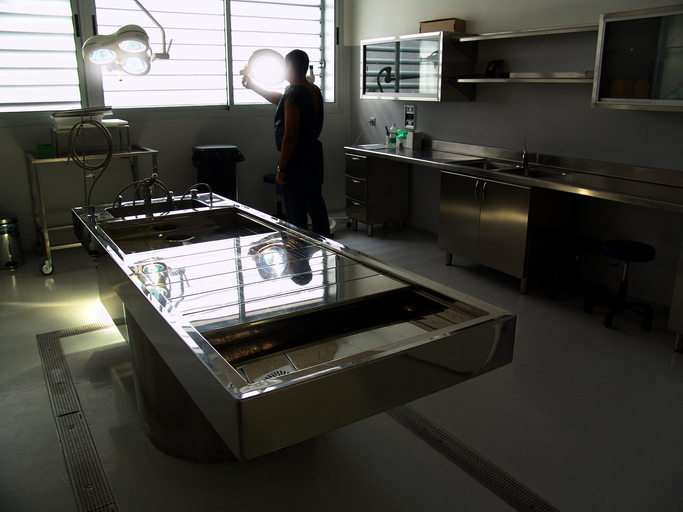
An autopsy is a detailed medical examination conducted after death to determine the cause and manner of death. During the examination, medical professionals evaluate injuries, illnesses, toxicology findings, and other physical evidence to identify factors that contributed to the death. The resulting report may provide valuable information about medical conditions, traumatic injuries, or other circumstances that played a role in the fatal outcome.
Autopsies are often performed when a death occurs unexpectedly, under unusual circumstances, or when additional investigation is necessary to clarify medical findings. Fatal accidents, workplace incidents, unexplained deaths, and deaths involving potential criminal activity may prompt a medical examiner or other authorized official to order an autopsy. The purpose of the examination is to establish accurate medical conclusions regarding the death.
The findings contained in an autopsy report can become relevant evidence in civil litigation, including wrongful death claims. An autopsy may help clarify whether a particular injury caused the death, whether multiple factors contributed to the outcome, or whether an underlying medical condition played a significant role. Even when an autopsy is available, however, it is generally considered one component of a broader body of evidence reviewed during a legal claim.
Do You Legally Need an Autopsy to File a Wrongful Death Claim in Vermont?
Vermont law does not generally require an autopsy before a wrongful death lawsuit can be filed. Although an autopsy may provide useful medical information, many wrongful death claims proceed successfully based on other forms of evidence that establish the cause of death and the connection between the death and the responsible party’s conduct. The legal system evaluates the totality of the available evidence rather than requiring a specific document in every case.
Depending on the circumstances, attorneys and investigators may rely on several types of evidence, including:
- Death certificates
- Hospital records
- Emergency medical service reports
- Physician notes
- Witness statements
- Police investigations
These forms of evidence frequently provide substantial information regarding causation and liability. Medical records may document the progression of injuries or illnesses, while investigative reports can establish the sequence of events leading to the death. Witness testimony may further clarify what occurred and help corroborate other evidence collected during the investigation.
When an Autopsy May Become Important
Although an autopsy is not required in every wrongful death case, there are circumstances in which it may provide particularly valuable information. Cases involving uncertainty about the cause of death often benefit from additional medical analysis. When multiple explanations are possible, a detailed examination may help clarify important medical questions that affect liability and damages.
Medical malpractice claims frequently illustrate situations where an autopsy may be useful. Questions involving delayed diagnoses, treatment errors, surgical complications, or medication issues sometimes require additional medical evidence to determine precisely what caused the death. An autopsy report may reveal conditions, injuries, or complications that were not fully identified before death and may assist experts in evaluating the medical issues involved.
Autopsies may also become important when a person survives for a significant period after an accident or injury. In these situations, disputes sometimes arise regarding whether the original injury caused the death or whether unrelated medical conditions contributed to the outcome. Detailed medical findings can help establish whether a direct connection exists between the incident and the eventual death.
What Happens If No Autopsy Was Performed?
The absence of an autopsy does not prevent a wrongful death investigation from moving forward. Many claims are evaluated and resolved using evidence that was created before, during, and after the events leading to the death. Medical records, treatment histories, diagnostic testing, and other documentation often provide substantial information regarding the cause of death and the circumstances surrounding the incident.
Healthcare records can be particularly important when no autopsy exists. Hospital charts, physician notes, imaging studies, laboratory results, surgical records, and discharge summaries may contain detailed information about injuries, illnesses, and treatment efforts. Medical experts frequently review these materials to determine whether the available evidence supports a conclusion regarding causation and liability.
Additional forms of evidence may also contribute significantly to a wrongful death investigation. Surveillance footage, photographs, maintenance records, employment documents, inspection reports, and accident reconstruction analyses can help establish how an incident occurred. Witness statements may provide firsthand observations that clarify disputed facts and strengthen the overall evidentiary record.
Damages Available in a Vermont Wrongful Death Claim
A wrongful death claim may seek compensation for a variety of losses suffered by surviving family members and the deceased person’s estate. These losses often include both direct financial expenses and broader personal harms resulting from the death. The purpose of damages is to address the measurable and non-measurable consequences associated with the loss of a loved one.
Economic damages generally focus on financial losses that can be documented through records, invoices, employment information, and other evidence. Calculating these damages often requires a detailed review of expenses incurred before and after the death, as well as an assessment of future financial impacts on surviving family members.
Examples of economic damages may include:
- Medical expenses related to the final injury or illness
- Funeral and burial costs
- Lost income and future earnings
- Lost financial support provided to family members
These categories of damages are intended to compensate for financial losses directly associated with the death. Supporting documentation such as medical bills, employment records, tax returns, and expert economic analyses may be used to establish the value of these losses and demonstrate their impact on surviving family members.
Steps Families Should Take After a Suspected Wrongful Death
The period following a sudden death can be challenging, particularly when questions exist regarding the circumstances that caused the loss. Taking practical steps to preserve information and maintain access to important records can help protect potential legal claims and support future investigations. Early action often improves the ability to gather accurate evidence and document relevant facts.
One important step involves collecting and organizing available records. Medical records, death certificates, insurance documents, photographs, correspondence, and incident reports may all become relevant during a wrongful death investigation. Maintaining copies of these materials can help ensure that important information remains accessible if questions arise later regarding liability or damages.
Families should also consider preserving evidence that may otherwise become unavailable over time. Witness contact information, photographs, videos, electronic communications, and physical evidence may all contribute to understanding how the death occurred. Preserving these materials can assist investigators and experts in reconstructing events and evaluating potential claims.
Vermont law imposes deadlines that may affect the ability to pursue a wrongful death claim. Reviewing available information and obtaining guidance regarding legal rights can help families understand applicable procedures and avoid unnecessary delays that could affect the preservation of evidence. Understanding the applicable timeline for a wrongful death claim can also help families plan for the legal process ahead.
Horn Wright, LLP, Can Help Families Understand Their Legal Options
An autopsy can provide valuable information in a wrongful death case, but Vermont law does not require one in every situation. Many claims proceed based on medical records, investigative findings, expert opinions, witness testimony, and other forms of evidence that help establish the cause of death and determine whether another party may be legally responsible. Understanding the role of an autopsy within the broader evidentiary framework can help families evaluate potential claims more effectively.
Individuals seeking information about wrongful death claims may benefit from discussing their circumstances with legal counsel. Before accepting any settlement offer, families should carefully evaluate whether the proposed compensation adequately reflects their losses and legal rights. The attorneys at Horn Wright, LLP, provide information regarding legal rights, available evidence, and procedural requirements that may apply to a potential claim. Additional information can be obtained by contacting us. We provide a way to request further guidance regarding wrongful death matters and related legal issues.

What Sets Us Apart From The Rest?
Horn Wright, LLP is here to help you get the results you need with a team you can trust.
-
Client-Focused ApproachWe’re a client-centered, results-oriented firm. When you work with us, you can have confidence we’ll put your best interests at the forefront of your case – it’s that simple.
-
Creative & Innovative Solutions
No two cases are the same, and neither are their solutions. Our attorneys provide creative points of view to yield exemplary results.
-
Experienced Attorneys
We have a team of trusted and respected attorneys to ensure your case is matched with the best attorney possible.
-
Driven By Justice
The core of our legal practice is our commitment to obtaining justice for those who have been wronged and need a powerful voice.