


Who Can Be Sued After a Deadly Truck Accident in Burlington, VT?
Understanding Liability After a Fatal Truck Crash in Burlington
A fatal truck accident can change a family’s life in seconds. One moment, everything feels normal. The next, you may face overwhelming grief, unexpected expenses, and questions about what comes next. Families often want answers as much as they want accountability. When a large commercial truck causes a deadly crash, determining who bears responsibility becomes one of the most important parts of the legal process.
At Horn Wright, LLP, our Burlington wrongful death lawyers understand how devastating these losses can be. Our attorneys help families explore their legal options after serious and fatal truck accidents. A Burlington truck accident lawyer can investigate the crash, identify every responsible party, and pursue compensation through a Vermont wrongful death claim. While no legal action can undo the loss, it can help provide financial stability and a measure of justice during an extremely difficult time.
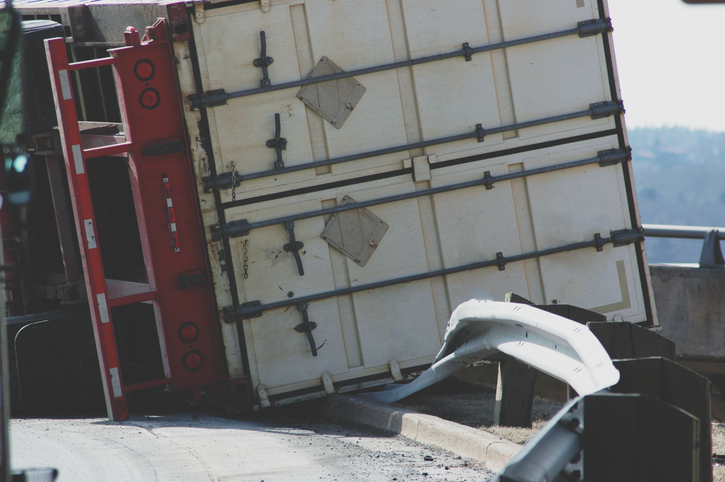
Why Liability Matters After a Fatal Truck Accident in Burlington
Many people assume the truck driver is the only person who can be sued after a deadly collision, but commercial trucking operations often involve multiple companies, contractors, and service providers. Each of these parties has legal responsibilities that help keep Vermont roads safe. When one or more of them fail to meet those obligations, their actions may contribute to a fatal crash. As a result, liability in a Burlington truck accident case often extends beyond the person behind the wheel.
Identifying every responsible party is important because it can affect the compensation available to surviving family members. Medical bills, funeral expenses, lost income, and other damages can create significant financial strain after a loss. A thorough investigation of records, maintenance logs, driver qualifications, and company policies may reveal additional sources of liability. When multiple parties contributed to the crash, multiple insurance policies and financial resources may be available to support a wrongful death claim.
When the Truck Driver Bears Responsibility
Truck drivers must follow traffic laws and federal safety regulations every time they operate a commercial vehicle. A driver who ignores those rules may face direct liability when a deadly collision occurs. Investigators often begin by examining the driver’s conduct in the moments leading up to the crash. This initial review can provide important clues about whether negligence contributed to the accident.
Driver negligence can take many forms. Some violations involve careless behavior, while others reflect deliberate decisions that place others at risk. Evidence from electronic logging devices, police reports, and witness statements can help reveal what happened. Together, these sources of evidence help investigators build a clearer picture of the events that led to the collision.
Some of the most significant forms of truck driver negligence include:
- Distracted driving caused by phones, navigation systems, or other devices
- Driver fatigue linked to hours-of-service violations
- Speeding or aggressive driving behavior
- Driving under the influence of drugs or alcohol
- Unsafe lane changes and failure to obey traffic signals
A truck traveling through areas near Interstate 89 can cause catastrophic damage when the driver loses focus or ignores safety rules. Because commercial vehicles weigh far more than passenger cars, even a brief lapse in judgment can lead to devastating consequences for everyone involved. These collisions often result in severe injuries or fatalities that permanently affect victims and their families. Understanding how driver negligence contributed to the crash is an important step in determining liability and pursuing a legal claim.
How Trucking Companies Can Share Liability
A trucking company has responsibilities that extend far beyond delivering freight. The company controls hiring decisions, training programs, safety policies, and fleet management. When a trucking company cuts corners, those decisions can create dangerous conditions that lead to fatal accidents. As a result, investigators often look closely at company practices when determining liability after a deadly crash.
Federal regulations require trucking companies to monitor driver qualifications and maintain safe operations. The safety requirements established by the Federal Motor Carrier Safety Administration help reduce preventable crashes involving commercial vehicles. Companies that ignore warning signs or prioritize profits over safety may face significant liability after a deadly crash. Investigators often review internal records to determine whether management decisions contributed to the collision.
Several company actions may support a truck accident lawsuit in Burlington VT:
- Hiring drivers with poor driving records
- Failing to conduct proper background checks
- Providing inadequate training
- Encouraging unrealistic delivery schedules
- Ignoring known safety violations
- Allowing unsafe vehicles to remain in service
These cases often reveal patterns that developed long before the accident occurred. A trucking company may have overlooked repeated safety concerns or failed to enforce its own policies. Those decisions can place everyone on the road at risk. In some situations, internal records show that warning signs were ignored despite repeated incidents or complaints. When preventable problems go unaddressed, the likelihood of a serious or fatal crash can increase significantly.
Liability for Truck Owners and Maintenance Providers
The company that owns a truck is not always the same company that operates it, as commercial vehicles are often leased, rented, or managed through separate business arrangements. In some situations, the truck owner may be responsible for ensuring the vehicle remains in safe operating condition. Owners are expected to follow inspection, maintenance, and repair requirements to help prevent dangerous mechanical failures. When those responsibilities are ignored, issues such as faulty brakes, steering defects, or worn tires can contribute to fatal crashes.
Maintenance providers may also share liability when their work fails to meet accepted safety standards. A repair company that overlooks a serious defect or performs inadequate repairs can create significant risks for everyone on the road. Investigators often review maintenance records and repair histories to determine whether negligent service played a role in the accident. Identifying these failures can help establish accountability for a deadly truck collision.
Investigators may examine:
- Maintenance records
- Inspection reports
- Repair invoices
- Service schedules
These documents often help establish whether mechanical issues played a role in the fatal truck accident. They can also reveal who had responsibility for identifying and correcting those problems before the crash occurred. By tracing maintenance obligations and repair histories, investigators can determine whether negligence contributed to the vehicle’s unsafe condition. This information can be critical when identifying all parties that may be held legally accountable for the loss.
Cargo Loading Companies May Be Responsible
Proper cargo loading plays a major role in commercial truck safety, and even experienced drivers can struggle to control a vehicle when cargo shifts unexpectedly or exceeds legal weight limits. A poorly loaded trailer can become unstable during emergency maneuvers or difficult weather conditions, increasing the risk of a serious crash. Loading companies must follow strict standards to ensure freight remains secure throughout transportation. When workers fail to distribute weight properly or secure cargo correctly, their mistakes can contribute directly to a fatal collision.
Common cargo-related safety issues include overloaded trailers, unsecured freight, and uneven weight distribution, all of which can affect steering, braking, and vehicle stability. In severe cases, these conditions may lead to jackknife accidents or rollover crashes. Investigators often review shipping records, loading manifests, and inspection reports to determine whether a cargo company played a role in the accident. This evidence can become an important part of a Burlington wrongful death claim involving a commercial truck.
Defective Truck Parts and Manufacturer Liability
Not every fatal truck accident stems from driver error or poor maintenance, as a critical component can fail even when a truck is properly operated and serviced. When a defective part contributes to a deadly crash, the manufacturer or parts supplier may face legal responsibility. Truck manufacturers must design, produce, and distribute products that meet established safety standards. If a defect exists in the design or manufacturing process, the resulting failure can place motorists in serious danger.
Defective components may include brakes, tires, steering systems, coupling devices, or other essential equipment used in commercial trucks. A failure involving any of these parts can have catastrophic consequences, particularly at highway speeds. Product liability claims focus on the condition of the equipment rather than the actions of the driver or trucking company. These cases often require expert analysis to determine whether a defect contributed to the crash and identify all responsible parties.
Could a Government Entity Be Liable?
Road conditions sometimes play a role in serious truck accidents, and dangerous intersections, damaged pavement, missing signs, or malfunctioning traffic signals can increase the risk of collisions. In some situations, a government agency responsible for roadway maintenance may share liability when a roadway hazard contributes to a fatal crash. Claims against government entities follow different rules than ordinary personal injury or wrongful death lawsuits, including specific procedures and deadlines under Vermont law. Because of these requirements, early investigation is often critical.
When evidence suggests a roadway hazard contributed to a collision, investigators may examine conditions near public infrastructure, intersections, or state-maintained routes. This review can include maintenance records, inspection reports, and prior complaints involving the area. Roadway safety guidance published by the National Highway Traffic Safety Administration highlights how infrastructure and traffic control issues can influence crash risks. Although government liability cases can be complex due to certain legal protections, those protections do not automatically prevent families from pursuing a claim when negligence played a role in the accident.
Similar Liability Questions in Other Wrongful Death Cases
Determining liability after a fatal accident is not always straightforward, regardless of the type of vehicle involved. Similar liability concerns can arise when determining whether Uber or Lyft may be liable for a passenger’s death making a thorough investigation critical in any wrongful death case. Just as truck accident claims may involve multiple parties, rideshare-related fatalities can require investigators to examine the actions of drivers, transportation companies, insurers, and other entities to identify who may be legally responsible.
These situations highlight why a comprehensive investigation is essential. Whether the case involves a commercial truck, a rideshare vehicle, or another type of fatal collision, uncovering all potentially liable parties can help families pursue the full compensation available under Vermont law.
How Investigators Identify Everyone Who Can Be Sued
Fatal truck accident cases often involve extensive investigations. Determining who can be sued requires more than reviewing a police report. Investigators must gather evidence from multiple sources and piece together a complete picture of what happened before, during, and after the collision. This process helps establish how different actions or failures may have contributed to the crash.
Commercial trucks generate large amounts of information. Electronic systems track vehicle operation, driver activity, and maintenance history. This evidence can reveal whether safety violations occurred and who may have contributed to the crash. In many cases, these records provide critical insights that are unavailable from other sources.
Important evidence often includes:
- Electronic logging device data
- Driver qualification files
- Black box information
- Maintenance records
- Surveillance footage
- Witness statements
These materials can help investigators verify timelines, identify safety violations, and determine the sequence of events leading up to the collision. A thorough investigation may uncover several responsible parties. In many Burlington truck accident cases, liability is shared among individuals and companies that each played a role in creating the conditions that led to the fatal collision. Identifying all of them helps ensure that no source of compensation is overlooked.
Compensation Available Through a Vermont Wrongful Death Claim
The financial impact of a fatal truck accident often extends far beyond the immediate aftermath, leaving families with expenses and losses that can continue for years. Vermont law allows eligible family members and estates to seek compensation through a wrongful death claim. Understanding how liability works in other fatal accident scenarios can also be helpful, including cases involving a fatal car accidenor a fatal bicycle accident in Burlington. These claims are designed to help address the financial and personal consequences of a loved one’s death.
Recoverable damages vary based on the facts of each case, with courts considering both economic losses and the emotional impact of the loss. Compensation may include funeral expenses, medical costs incurred before death, lost income, future financial support, and damages related to the loss of companionship and guidance. The value of a claim depends on factors such as the deceased person’s age, earnings, and family circumstances. Because trucking accidents often involve substantial insurance coverage and multiple defendants, identifying every liable party is essential to maximizing available compensation.
How Horn Wright, LLP Can Help Families After a Fatal Truck Accident
Losing a loved one in a truck accident leaves families facing emotional pain, financial uncertainty, and difficult legal questions. Determining who can be sued after a deadly truck accident in Burlington, VT often requires a detailed investigation into the actions of drivers, trucking companies, maintenance providers, cargo loaders, manufacturers, and other potentially responsible parties.
At Horn Wright, LLP, our attorneys help families understand their rights and evaluate their legal options after a fatal collision. We work to uncover the facts, preserve critical evidence, and pursue accountability from every party whose negligence contributed to the loss. Families seeking guidance about their legal options can contact us today to discuss the circumstances of their case.

What Sets Us Apart From The Rest?
Horn Wright, LLP is here to help you get the results you need with a team you can trust.
-
Client-Focused ApproachWe’re a client-centered, results-oriented firm. When you work with us, you can have confidence we’ll put your best interests at the forefront of your case – it’s that simple.
-
Creative & Innovative Solutions
No two cases are the same, and neither are their solutions. Our attorneys provide creative points of view to yield exemplary results.
-
Experienced Attorneys
We have a team of trusted and respected attorneys to ensure your case is matched with the best attorney possible.
-
Driven By Justice
The core of our legal practice is our commitment to obtaining justice for those who have been wronged and need a powerful voice.