


How Traffic Congestion Contributes to Accidents in Monroe County
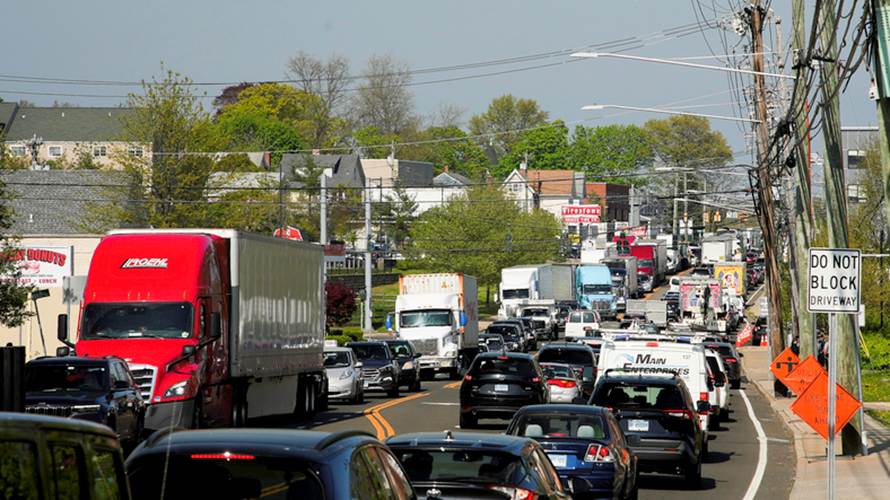
Traffic in Rochester has gotten heavier. If you’ve lived in Monroe County for a while, you’ve probably noticed it yourself. Commutes stretch longer. Intersections clog up faster. And with more drivers packed onto roads like I-490 or Route 590, the stakes are higher every time someone makes a bad decision. Heavy congestion often leads to fender benders, major collisions, and even injuries that change lives.
At Horn Wright, LLP, we’ve worked with many Rochester-area families who faced painful outcomes after accidents in traffic-dense areas. Our team understands how the road conditions around the city contribute to these crashes. If you're dealing with injuries, missed work, or overwhelming paperwork after a Rochester car accident, we can help you seek answers, compensation, and peace of mind.
Local Hotspots: Where Rochester Traffic Backs Up
In Monroe County, not all roads carry equal risk. Some areas experience more congestion, more often, and the crash data reflects that. Rochester's busiest intersections and highways tend to stack up with cars during the morning and evening rush, creating conditions where drivers make split-second decisions that don’t always end well.
Key congestion points include:
- I-490 near the Inner Loop, especially during 7:30 to 9 a.m.
- Route 590, with delays building around Browncroft Boulevard
- East Avenue, between Alexander Street and Winton Road
These zones see frequent slowdowns, particularly near downtown Rochester. When vehicles move in tight packs, a single sudden stop can trigger a chain of rear-end collisions. Add in limited lane space, unclear lane markings, or confusing merges, and even cautious drivers face higher risks.
In many of these areas, lanes narrow quickly, on-ramps flood with drivers trying to merge, and red lights stack up vehicles around blind corners. Accidents tend to spike where visibility drops and choices shrink.
Stop-and-Go Traffic: More Than a Nuisance
Stop. Roll. Brake. Repeat. That rhythm defines many Monroe County commutes. Unfortunately, it’s also the pattern that wears drivers down and increases crash risk. When vehicles lurch forward in bumper-to-bumper traffic, reaction times shrink. A tired or distracted driver only needs one second too long to tap the car in front of them.
This issue is especially bad on roads like Lake Avenue and Monroe Avenue, which serve as major east-west and north-south corridors. As commuters grow impatient in long lines of vehicles, tension builds. Some drivers brake late. Others follow too closely, hoping to speed things up.
Long delays create mental fatigue. The more frustrated drivers feel, the less they focus. Accidents from sudden stops or poor lane shifts become far more likely.
Impatient Drivers and Risky Maneuvers
Heavy traffic often brings out the worst habits. You’ve probably seen it: someone cutting across three lanes just to exit, or a car weaving between others to gain a few feet. These behaviors cause real danger.
Risky driving habits tend to increase in crowded areas like:
- Route 104, near Ridge Road exits
- Mt. Hope Avenue, especially during hospital shift changes
Congestion limits space and decision time. Drivers grow impatient. They squeeze into gaps that barely exist. Many speed up just to escape the jam. The result? More crashes, often involving multiple vehicles.
Aggressive lane changes, tailgating, and hard braking can all create chaos in just seconds. When one driver misjudges a move, everyone behind them pays the price.
Delayed Emergency Response Times
Crashes in congested areas don’t just happen more often. They also take longer to resolve. That’s because emergency vehicles struggle to reach accident scenes when traffic clogs the roads.
In Monroe County, first responders face real challenges getting through backed-up highways and intersections. On roads like Route 390 or Clinton Avenue, fire trucks or ambulances sometimes have to slow to a crawl behind unmoving traffic.
Delayed medical response can mean longer pain, delayed diagnoses, or worse outcomes for injured people. In life-threatening cases, every second matters. A few minutes lost in traffic could make a serious difference. According to the U.S. Department of Transportation, slow emergency access is one of the key factors in survival rates following traffic crashes.
Plus, when emergency crews can’t clear an accident fast, the congestion only gets worse. That leads to secondary crashes as more drivers get caught in the jam.
Distracted Driving in Gridlock
People behave differently in traffic. When cars crawl instead of cruise, drivers drop their guard. Phones come out. Navigation systems get adjusted. Some even eat breakfast at the wheel.
This false sense of safety often leads to rear-end or side-swipe crashes, especially near busy intersections like Main Street and Goodman Street. Drivers assume that low speeds mean low risk. But it only takes one second of looking down to miss a brake light ahead.
Key distractions in Rochester traffic include:
- Texting or checking messages
- Adjusting music or climate settings
- Watching GPS reroutes
- Daydreaming or fatigue during long waits
These behaviors happen more often during rush hour. Gridlock tricks drivers into believing they have more time to multitask. But with vehicles stacked close together, there's no room for mistakes.
Impact on Pedestrians and Cyclists
Congestion doesn’t just affect people in cars. It also creates spillover that endangers pedestrians and cyclists. In Rochester, narrow roads and crowded intersections often leave little room for those on foot or two wheels.
Take South Clinton Avenue near Strong Memorial Hospital or the University of Rochester. During peak hours, vehicles line up close to sidewalks. Drivers trying to edge into traffic often block crosswalks or bike lanes.
When drivers focus only on nearby vehicles, they miss people walking or biking beside them. The risk is even higher when turning at busy intersections. A pedestrian might step off the curb just as a driver finally sees a gap and accelerates.
The most common pedestrian and cyclist hazards in these areas include:
- Right turns across crosswalks
- Lane encroachments into bike paths
- Reduced visibility due to bumper-to-bumper traffic
Even a low-speed collision can cause severe injury when a vehicle strikes someone unprotected.
Weather and Congestion: A Dangerous Mix
Monroe County drivers know what winter looks like. Snow, ice, and sleet complicate driving on the best days. Add congestion to that mix, and things can go downhill fast.
Slippery conditions make it harder to stop in time. When cars already sit nose-to-tail, icy roads remove the last margin for error. That’s especially dangerous on roads like Route 390, which carries heavy traffic through open, wind-prone areas.
Rain also brings trouble. Pooled water can lead to hydroplaning, and fogged-up windshields reduce visibility. With so many cars close together, one small loss of control can spin into a multi-car crash.
Snow piles along curbs and shoulders often narrow lanes further. Drivers may swerve to avoid them, crossing into neighboring lanes. It’s a setup for trouble.
Long-Term Exposure to Congestion Increases Risk
Accident risk doesn’t just come from a single bad day. For many Rochester drivers, repeated stress from daily congestion builds up. Over time, they become less patient, more distracted, and more willing to take risks.
Drivers who sit in traffic every morning on East Avenue or Route 590 may get used to cutting corners. They speed through late yellows. They squeeze into shrinking lanes. These behaviors feel normal after a while, even though they increase risk.
Repeated exposure to high-stress commutes can lead to:
- Mental fatigue and slower decision-making
- Reduced empathy for others on the road
- Impulse driving behavior, like sudden lane shifts
When bad habits become routines, crash rates go up. The effects ripple outward. According to the National Highway Traffic Safety Administration, chronic driver stress is a major factor in urban crash patterns.
What Local Leaders Are Doing (and Not Doing)
Some steps are in motion to address Rochester’s traffic strain. The City of Rochester Department of Transportation has worked on signal upgrades and pedestrian safety improvements. Longer-term plans from the Genesee Transportation Council aim to expand mobility and reduce congestion hotspots.
Still, progress moves slowly. Infrastructure often lags behind population shifts. Certain roads, like Mount Read Boulevard or West Main Street, haven’t seen significant updates in years, despite heavier use.
Gaps remain in bike lane networks and pedestrian protections. And while public transit helps reduce car volume, many Rochester residents still rely on personal vehicles to get to work, school, and medical care.
Fixing congestion won’t happen overnight. But the safety cost of delay becomes more visible with every rush-hour crash.
Understanding the Link Between Congestion and Crashes
Monroe County’s traffic is dangerous. Congested roads across Rochester increase accident risk through aggressive driving, fatigue, and poor visibility. Even short delays can lead to serious outcomes, especially when they block emergency response or affect pedestrians.
Recognizing the danger is the first step toward making smarter, safer decisions behind the wheel. If a traffic-related crash in Rochester has left you or someone you care about with injuries or uncertainty, the attorneys at Horn Wright, LLP, are ready to listen and help you pursue the resolution you deserve.

What Sets Us Apart From The Rest?
Horn Wright, LLP is here to help you get the results you need with a team you can trust.
-
Client-Focused ApproachWe’re a client-centered, results-oriented firm. When you work with us, you can have confidence we’ll put your best interests at the forefront of your case – it’s that simple.
-
Creative & Innovative Solutions
No two cases are the same, and neither are their solutions. Our attorneys provide creative points of view to yield exemplary results.
-
Experienced Attorneys
We have a team of trusted and respected attorneys to ensure your case is matched with the best attorney possible.
-
Driven By Justice
The core of our legal practice is our commitment to obtaining justice for those who have been wronged and need a powerful voice.