


Collecting Important Evidence After a Truck Crash
Evidence Can Make or Break Your Truck Accident Case
When a massive truck collides with a smaller vehicle, the damage is immediate and often overwhelming. Victims face surgeries, lost work, and long recovery periods. In those moments, it’s natural to focus only on healing. But the truth is, the success of your legal case depends heavily on what evidence is collected and how quickly it’s preserved.
At Horn Wright, LLP, our truck crash injury attorneys know that trucking companies often move fast after a crash, sometimes even faster than victims can get medical care. They may send investigators to the scene, gather records, or attempt to downplay their driver’s role. That’s why securing the right evidence early can mean the difference between a fair settlement and a denied claim.
What Types of Evidence Matter Most in New York
New York’s negligence laws, combined with federal trucking regulations, set the standard for what counts as proof in court. To succeed, victims must show that a truck driver or company acted carelessly, and that this negligence directly caused harm. Certain evidence consistently plays a critical role:
- Lost Load Truck Accidents. Cargo manifests and loading dock records show whether the freight was secured properly. When evidence proves cargo shifted because straps weren’t fastened or weight limits ignored, liability becomes clear.
- Rollover Truck Accidents. Skid marks, roadway conditions, and truck inspection logs may point to either driver error or neglected maintenance. New York courts regularly accept this kind of physical evidence to demonstrate negligence.
- Weather-Related Truck Accidents. Photographs, traffic camera footage, and National Weather Service records can show that a driver failed to slow down or adjust to dangerous conditions.
Every piece of evidence builds the story of what happened. Without it, juries are left with little more than conflicting versions of events.
Police Reports, Dashcams, and Black Box Data
Police reports are usually the first formal record of a crash. In New York, officers file MV-104A accident reports, which often include diagrams, statements, and initial observations. These reports don’t determine liability on their own, but they offer a foundation.
Modern trucking adds layers of technology that can be equally important:
- Dashcams. More and more trucks have dash cameras, and many personal vehicles do too. Dashcam footage can capture DUI truck accidents, showing erratic swerving, late braking, or other signs of impairment.
- Black box data. Commercial trucks are equipped with electronic logging devices and event data recorders. These “black boxes” record speed, brake usage, hours driven, and even seatbelt engagement. Under FMCSA regulations, carriers must preserve this data, but victims often need lawyers to demand it before it’s erased.
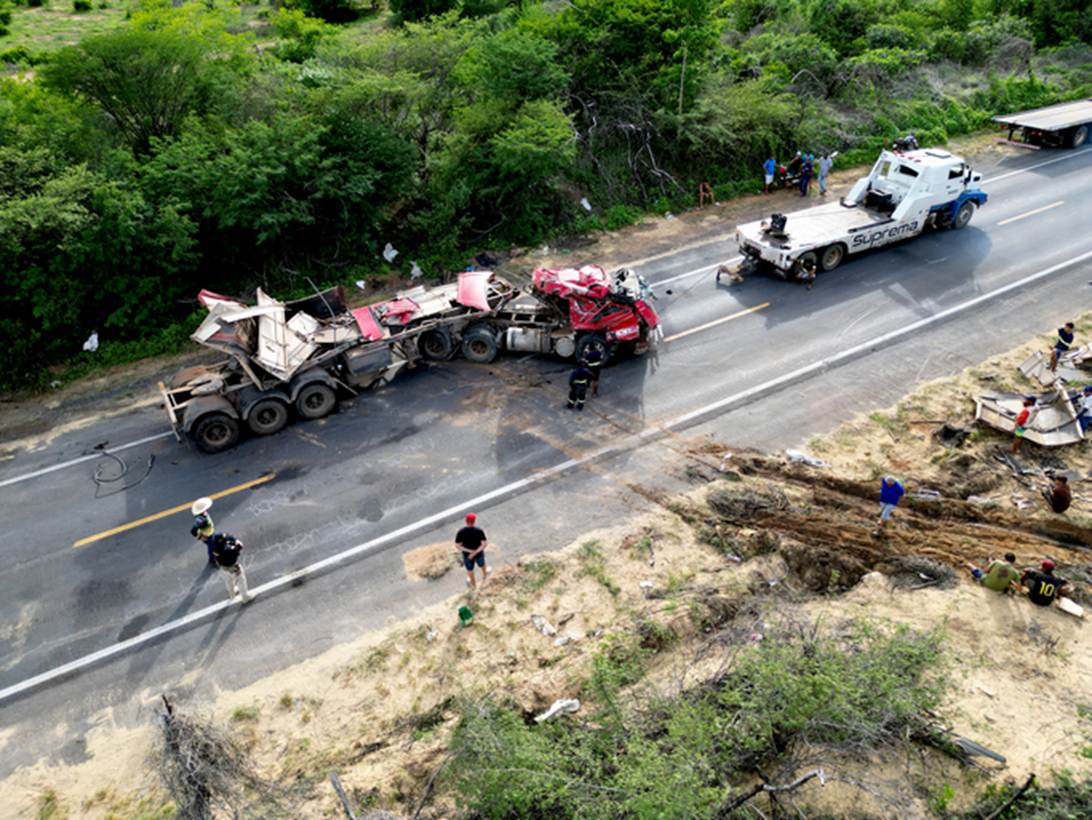
- Accident scene photos. Pictures taken immediately after a blowout tire truck accident, showing shredded rubber, skid marks, and final vehicle positions, can give accident reconstruction experts critical insight.
Collecting this evidence isn’t always simple. Trucking companies have lawyers too, and they may resist turning over data unless forced. That’s why legal intervention matters early.
Witness Testimony and Expert Accident Reconstruction
Not every case comes down to documents or devices. Sometimes, the most powerful evidence comes from the people who saw the crash or the professionals who can explain it.
- Witnesses. Eyewitnesses provide perspective that technology can’t always capture. In a school zone truck accident, for example, bystanders may confirm that the driver was speeding or ignored crossing guards.
- Expert reconstruction. Accident reconstruction experts use formulas, simulations, and computer modeling to recreate events. In a jackknife truck accident, they may analyze skid lengths and weather conditions to show the driver lost control because of excessive speed.
- Medical experts. Doctors and specialists can connect the injuries directly to the crash, which is critical for damages. If a victim suffers permanent disability after an underride truck accident, expert medical testimony can link that outcome to the violent nature of the collision.
Courts in New York give significant weight to testimony when it’s backed by physical proof. Witnesses and experts help fill the gaps in the story the evidence tells.
Vermont Courts Demand Stricter Evidence Standards Than New York
Victims in New York benefit from broader admissibility rules compared to states like Vermont. In Vermont, courts often demand more direct, concrete proof before allowing cases to proceed. This can place an unfair burden on victims who may not have immediate access to every piece of evidence.
For example, in runaway truck accidents, Vermont judges may require expert testimony to establish that brakes failed due to negligence. In New York, inspection logs and maintenance records can be enough to get the claim in front of a jury. The lower threshold in New York reflects the state’s recognition that trucking companies often control much of the evidence, and victims deserve a fair chance to present their case.
Why Preserving Evidence Quickly Is Critical
Time works against victims in truck crash cases. Evidence disappears, memories fade, and electronic records can be overwritten. The sooner evidence is preserved, the stronger the case becomes.
- Override Truck Accidents. Debris from these crashes is quickly cleared from the roadway, but photographs and measurements can prove crucial later.
- Wide Turn Truck Accidents. Surveillance cameras from nearby stores may only keep footage for a short period. If not requested immediately, that video may be gone forever.
- Distracted Driving Truck Accidents. Phone records showing a driver was texting at the time of impact can be subpoenaed, but carriers may not keep them unless legal action demands it.
Quick action is not just smart, it’s necessary. Lawyers often send spoliation letters to trucking companies, which legally require them to preserve relevant records and data. Without such steps, critical information can vanish.
How Lawyers Build Cases Around Collected Evidence
Gathering evidence is only the first step. Organizing it into a clear, persuasive case is what convinces insurance companies and juries. Lawyers use collected proof to tell a simple story: the driver was negligent, the company failed to prevent it, and the victim deserves justice.
- T-Bone Truck Accidents. Intersection camera footage, black box speed data, and witness statements can work together to show that the trucker ran a red light.
- Drowsy Driving Truck Accidents. Hours-of-service logs, dispatch records, and employer schedules may reveal a driver was on the road far longer than federal law allows.
- Brake Failure Truck Accidents. Maintenance logs, mechanic testimony, and black box braking data may demonstrate that inspections were skipped or faked.
Every case is unique, but strong legal strategy uses evidence to close every gap in the chain of negligence. When all the pieces align, settlements increase and juries are more likely to award damages.
Horn Wright, LLP, Knows How to Secure Evidence That Wins Cases
At Horn Wright, LLP, our personal injury attorneys don’t wait for evidence to appear, we go out and get it. That means filing preservation requests, hiring reconstruction experts, gathering medical testimony, and compelling trucking companies to turn over black box data. We know how quickly valuable information can vanish, and we act with urgency to protect your rights.
Truck accident victims deserve more than assumptions. They deserve proof that tells the story of what happened and why. With Horn Wright, LLP, you’ll have a team committed to securing that proof and using it to win justice in your case.

What Sets Us Apart From The Rest?
Horn Wright, LLP is here to help you get the results you need with a team you can trust.
-
Client-Focused ApproachWe’re a client-centered, results-oriented firm. When you work with us, you can have confidence we’ll put your best interests at the forefront of your case – it’s that simple.
-
Creative & Innovative Solutions
No two cases are the same, and neither are their solutions. Our attorneys provide creative points of view to yield exemplary results.
-
Experienced Attorneys
We have a team of trusted and respected attorneys to ensure your case is matched with the best attorney possible.
-
Driven By Justice
The core of our legal practice is our commitment to obtaining justice for those who have been wronged and need a powerful voice.