


Determining Liability After a Truck Accident
Why Liability Shapes Your Path Forward
A serious truck crash flips your day, your plans, and your peace of mind. You’re left with pain, paperwork, and questions that never seem to end. The next step isn’t about guessing. It’s about knowing who’s legally responsible so you can move forward with clarity and confidence. That’s where we step in.
At Horn Wright, LLP, our truck accident attorneys fight for injured people not just here in New York, but also in New Jersey, New Hampshire, Maine, and Vermont. Each state has its own set of rules, but our mission stays the same: hold negligent parties accountable and protect your future.
When you call (855) 465-4622, you’ll get a team that listens first, acts quickly, and builds a plan tailored to your needs. We match urgency with care, making sure your claim doesn’t stall and you always know what comes next.
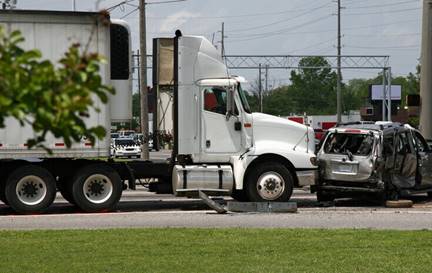
The Many Players Who Could Be at Fault
Liability in truck accidents doesn’t stop with the driver. Several parties can share blame, and each one brings its own layer of responsibility. Here are the most common players we investigate when building your case:
- The truck driver who made the wrong choice. A driver who speeds, looks down at a phone, or skips needed rest increases risk for everyone. You see the result in a split second, but the unsafe behavior often started miles back. Their decisions before impact can establish negligence under New York law. Those decisions can place legal responsibility squarely on the driver.
- The trucking company that set the pace. Companies create schedules and policies that push drivers to the edge. When dispatch expects impossible delivery times, unsafe behavior follows on busy routes like the Cross Bronx Expressway. Hiring and training choices also shape what happens behind the wheel. Those corporate choices can make the company liable with deeper insurance coverage.
- The loading crew that ignored balance and weight. A trailer that is heavy on one side turns and stops differently. Cargo that shifts mid curve can start a rollover or jackknife within seconds. When straps, blocks, or seals are missing, evidence can point straight back to the dock. That trail can add a separate layer of fault to your case.
- The maintenance provider that cut corners. Brakes, tires, and steering components live hard lives under heavy loads. Skipped services and quick sign offs leave defects on the road that should have stayed in a bay. Records and invoices often reveal patterns that matter. Those patterns can link a repair shop to the crash and expand accountability.
- The parts manufacturer that sold a defective component. Some failures begin at the drawing board or on a factory line. A faulty valve or bad tire can turn a normal stop into a violent impact. Product testing, recalls, and engineering notes become key proof. When defects are present, product liability law can bring the maker into the case.
Why Liability Works Differently In New York
New York handles injury claims with a mix of no fault benefits and fault based recovery.
Your Personal Injury Protection covers initial medical expenses and part of your lost wages regardless of blame. It does not pay for pain and suffering or full future losses. To pursue those, your injuries must meet the “serious injury” standard in Insurance Law Section 5102(d).
That standard lists categories like fractures, significant disfigurement, and certain permanent limitations. Meeting the threshold opens the door to claims against the at fault parties. It is a gateway rule that changes the size and scope of your case. We evaluate the medical picture early to plan the right path.
There are also timelines that do not bend. Many personal injury lawsuits must be filed within three years in New York. Wrongful death actions generally have two years. Comparative negligence applies here too. Your recovery can be reduced by any percentage of fault assigned to you, but you can still recover within that rule.
Evidence That Puts Blame in Focus
Proving liability means more than pointing a finger. It means gathering clear evidence that shows exactly how the crash happened and why. These are some of the most powerful sources we use to build strong cases:
- Black box data tells what the truck actually did. Event recorders capture speed, throttle, braking, and fault codes in the moments before impact. Those numbers cut through guesswork and finger pointing. They show whether a driver reacted, slowed, or never touched the brake. When paired with map data, they create a precise timeline of the trip.
- Electronic logs reveal hours and rest patterns. E logs document drive time, on duty time, and breaks with minute by minute accuracy. Fatigue often hides in those entries because pressure shows up as short naps and long shifts. Dispatch messages can add context about deadlines and routing. Together they help prove unsafe scheduling and non compliance.
- Maintenance files expose habits, not one offs. Repair orders, inspection sheets, and warranty claims build a picture over months. Repeated brake warnings or tire wear notes tell a clear story. If a shop kept clearing the same fault, that makes a pattern. Patterns point to negligence that existed well before the crash.
- Loading paperwork explains weight and balance. Bills of lading, scale tickets, and seal logs track what went into the trailer and how it was secured. Uneven pallets or missing tie downs often appear in those records. The documents connect what was planned to what actually left the dock. That link matters when handling caused the loss of control.
Company Tactics That Try to Blur Responsibility
Trucking companies and insurers protect their bottom line. You will see strategies that aim to shift blame, shrink damages, or slow the process. Knowing those moves helps you stay a step ahead.
They may claim the driver was an independent contractor to dodge employer responsibility. Titles and labels do not control that question under New York law. The real test looks at control, equipment, and how the work was directed. We gather contracts and daily practice records to answer it with facts.
They may sit on data or release partial files that leave gaps. Missing pages and redacted logs slow your claim and weaken context. We send preservation notices early and push for complete production. If needed, we seek court orders to keep evidence intact and force delivery.
They may argue you share most of the fault. Sudden stops, poor weather, or a quick lane change become their storyline. We counter with roadway diagrams, traffic patterns on the Brooklyn Queens Expressway, and expert analysis. Clear visuals and credible testimony keep the focus where it belongs.
Experts Who Turn Complex Proof Into Clear Answers
Some cases benefit from specialists who can explain technical or medical details in ways insurers, juries, and judges understand. The right experts strengthen your claim by connecting liability to real-world consequences. Here are a few we often work with:
- Accident reconstruction specialists translate physics into pictures. They analyze skid marks, crush profiles, sight lines, and angles. Their models show speed and movement frame by frame. Jurors and adjusters understand the scene when they can see it. That clarity supports the allocation of fault.
- Human factors experts explain attention and reaction time. They study how fatigue, distraction, and workload affect choices on the road. Their opinions connect behavior to real world limits. This helps explain why a driver missed a hazard or delayed braking. It anchors negligence in science, not speculation.
- Medical experts define injury, causation, and recovery. Treating physicians and specialists describe what happened to your body and what comes next. They outline procedures, limitations, and expected progress. Their reports tie the collision to your condition in clinical terms. That connection supports the legal threshold and future damages.
- Economists and vocational experts measure future loss. They evaluate how injuries change your work life and your earnings. The analysis includes retraining, job options, and long term wage impact. Their numbers bring precision to projected loss. Precision makes negotiations more honest.
How We Build Pressure and Keep It There
You want progress, not promises. We set a timeline, assign tasks, and move each piece in order so momentum never fades. That starts with early legal holds and targeted requests for data and documents. It continues with interviews, scene checks, and a plan for expert review.
Communication stays steady and simple. You get quick updates and plain language explanations that respect your time. When a decision point arrives, you will have options with pros and cons, not confusing jargon. Your goals guide the route we take, whether that is settlement or trial.
Our personal injury attorneys prepare as if a jury will see your case. That posture matters in negotiations because it creates real risk for the other side. When insurers know we are ready, offers become more realistic. It is not about noise. It is about leverage backed by evidence.
Why Horn Wright, LLP, Fits New York Truck Cases
You deserve a firm that combines heart, speed, and technical skill. We know federal trucking rules and New York practice. We understand how Insurance Law Section 5102(d) shapes case value. We also understand how everyday life changes when injuries linger.
Our team of legal professionals treats you like a person whose future matters. We return calls, explain updates, and keep the plan moving. Your questions get straight answers without legalese. Your file gets attention, not dust.
Results come from doing the small things right again and again. Preserve the data. Gather the records. Choose the right experts. Tell a clear story. That is how we turn liability from an argument into proof.
Holding The Right Parties Accountable In New York
Liability is not a buzzword. It is the bridge between what happened to you and the recovery that helps you rebuild.
When a truck crash in New York leaves you injured, the law allows you to hold the responsible parties to account once the serious injury threshold is met. That path is clearer when evidence is protected and the narrative is grounded in facts.
If you want to see the standards we bring to every case, start with a complimentary case review and learn more about how we show up for people like you. We would be honored to help you move forward with clarity and confidence.

What Sets Us Apart From The Rest?
Horn Wright, LLP is here to help you get the results you need with a team you can trust.
-
Client-Focused ApproachWe’re a client-centered, results-oriented firm. When you work with us, you can have confidence we’ll put your best interests at the forefront of your case – it’s that simple.
-
Creative & Innovative Solutions
No two cases are the same, and neither are their solutions. Our attorneys provide creative points of view to yield exemplary results.
-
Experienced Attorneys
We have a team of trusted and respected attorneys to ensure your case is matched with the best attorney possible.
-
Driven By Justice
The core of our legal practice is our commitment to obtaining justice for those who have been wronged and need a powerful voice.