


Emotional Distress Damages After Wrongful Detention in the Bronx
Know Your Rights and Legal Options When Traumatized by Unlawful Detention in Bronx
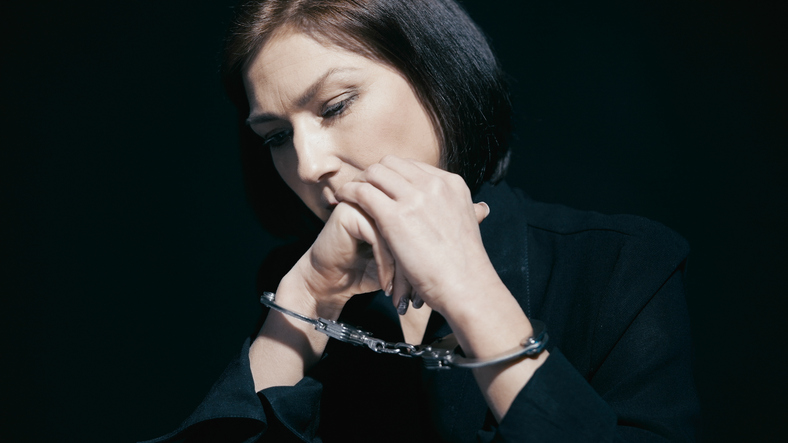
Wrongful detention can shake someone to their core. You may walk away with no criminal charges, but the experience stays with you. Fear, confusion, humiliation. It follows people home, into their workplaces, into how they sleep at night. If you or someone you care about was detained by police in the Bronx without legal cause, you're probably still trying to process what happened. And the emotional weight of it doesn’t go away just because you’re no longer in custody.
Bronx NY false imprisonment attorney teams like ours help residents seek justice for emotional distress tied to wrongful detainment. At Horn Wright, LLP, we understand how overwhelming these situations feel. Our attorneys listen to your story, explain your rights, and build a strong case so you can move forward with confidence.
What Counts as Wrongful Detention in the Bronx
Wrongful detention means police held you when they had no legal reason, or held you far longer than they should have. It can happen on the street, during a traffic stop, or after an arrest that doesn't lead to charges. You may have been taken to the 41st Precinct or held overnight in Bronx Central Booking. Maybe you sat in a cell for hours without seeing a judge. These situations aren’t rare, and they often violate your constitutional rights.
Here’s what might qualify as wrongful detention:
- Being arrested without probable cause
- Being detained based on mistaken identity
- Remaining in custody after charges are dropped
- Being held without being informed of your rights
- Prolonged detention without seeing a judge
These are legal violations with real human costs, especially when the person detained is a minor, elderly, or has a mental health condition. In the Bronx, where legal resources often feel stretched thin, wrongful detention happens more than people realize. And the emotional impact runs deep.
Emotional Distress: What It Looks Like After Detention
Emotional distress shows up differently for everyone, but it often hits hard after someone is released. Some people feel jumpy around police. Others stop sleeping. It’s not uncommon to avoid certain blocks or subway stations tied to the memory of being detained. Some stop leaving their homes at all. These changes affect relationships, jobs, and basic peace of mind.
People detained wrongfully in the Bronx have reported:
- Recurring nightmares or flashbacks
- Difficulty returning to school or work
- Fear of retaliation or re-arrest
- Shame when talking to friends or family
- Loss of trust in authority figures
If this sounds familiar, you're not alone. The emotional aftermath of wrongful detention can be just as damaging as any physical injury. And just because there's no cast or stitches doesn’t mean the pain isn’t real. These effects are among the many examples of false imprisonment recognized by courts.
Legal Basis for Seeking Emotional Distress Damages
New York law allows you to seek damages for emotional distress caused by wrongful detention. This is more than filing a complaint. It's about holding law enforcement accountable for the psychological harm they cause. You may have a legal claim under state law, federal law, or both.
Several paths may apply:
- False imprisonment claims: Focused on being held without legal justification.
- Intentional infliction of emotional distress: In cases where conduct was extreme or outrageous.
- Section 1983 civil rights claims: Filed in federal court for violations of constitutional rights by public officials, including police.
Each of these requires different types of proof, and the laws have tight deadlines. Bronx Supreme Civil Court handles many of these cases, and a federal claim might be filed in the U.S. District Court for the Southern District of New York. Knowing how these courts operate matters.
Proving Emotional Distress in a Bronx Court
It’s not enough to say you were emotionally hurt. You have to prove it. That can feel unfair, especially when you’ve already lived through something traumatic. But there are clear ways to build your case, even when the injuries aren’t visible.
Evidence that supports emotional distress claims includes:
- Mental health evaluations from licensed Bronx-based providers
- Therapy records that show a pattern of trauma-related symptoms
- Testimony from friends, family, or coworkers who saw the emotional changes
- Personal journals that document daily struggles after the detention
You don’t need to have seen a therapist the day after you were released. But the more detail and documentation you have, the stronger your case becomes. Bronx judges and juries respond to honest, specific accounts backed by evidence. Qualified immunity in Bronx detention cases may apply in some situations, but it doesn't eliminate your right to pursue recovery.
How Compensation Works for Emotional Distress
Emotional distress damages are considered non-economic, meaning they aren’t tied to a bill or paycheck. Instead, they reflect real harm to your mental health and quality of life. In the Bronx, courts look at the severity of your suffering, how long it lasted, and how it affected your daily living.
You might be compensated for:
- Panic attacks that make it hard to leave the house
- Anxiety that interferes with work or parenting
- Loss of sleep or appetite tied to the trauma
- Changes in personality or ability to trust
These damages can be awarded on their own or alongside other claims like lost wages or medical costs. Bronx juries often weigh how the incident impacted your life, not just on paper, but in practice.
Real-World Obstacles in Emotional Distress Claims
These cases are never easy. Emotional distress is deeply personal, and the legal system isn’t always built to understand that. Some people feel judged or dismissed when they try to explain how much a wrongful detention affected them. Others are told they need more proof, or that what they experienced wasn’t serious enough.
Common roadblocks include:
- Law enforcement denying wrongdoing
- Lack of immediate documentation
- Delays in Bronx civil court proceedings
- High burden of proof for mental suffering
- Insurance companies minimizing emotional claims
It’s frustrating, but not impossible. With the right support and realistic expectations, many people do recover damages for what they’ve been through.
Why Local Legal Knowledge Matters in the Bronx
Every borough handles cases a little differently. In the Bronx, emotional distress claims tied to wrongful detention move through a system shaped by the people and history of this community. That includes judges who’ve seen these patterns before and police departments with known practices.
A local civil rights attorney understands:
- The role of NYPD precincts like the 44th and 46th in past wrongful detentions
- How Bronx juries respond to emotional testimony
- Which mental health professionals can offer credible evaluations
- What paperwork Bronx courts require, and when they need it
This kind of local knowledge can be the difference between a stalled case and a successful one. The Bronx has its own legal rhythm, and your lawyer should move in step with it. For context, New York City’s Civilian Complaint Review Board tracks patterns of police misconduct across the boroughs, including emotional impact complaints.
Emotional Distress After Wrongful Detention Deserves Justice
You shouldn’t have to carry the weight of wrongful detention on your own. Emotional pain counts, and your experience matters. If you’re struggling after being held without cause in the Bronx, there are ways to hold the right people accountable and start reclaiming your peace of mind. The road to justice might feel long, but it starts with understanding your rights and reaching out for guidance.

What Sets Us Apart From The Rest?
Horn Wright, LLP is here to help you get the results you need with a team you can trust.
-
Client-Focused ApproachWe’re a client-centered, results-oriented firm. When you work with us, you can have confidence we’ll put your best interests at the forefront of your case – it’s that simple.
-
Creative & Innovative Solutions
No two cases are the same, and neither are their solutions. Our attorneys provide creative points of view to yield exemplary results.
-
Experienced Attorneys
We have a team of trusted and respected attorneys to ensure your case is matched with the best attorney possible.
-
Driven By Justice
The core of our legal practice is our commitment to obtaining justice for those who have been wronged and need a powerful voice.