


How Body Cam and Radio Runs Prove Unlawful Detention in the Bronx
Digital Evidence Can Strengthen Your Defense
After an encounter with the police, many people feel overwhelmed, scared, or just plain confused. In the Bronx, where police stops can happen fast and without clear explanation, it’s easy to walk away unsure of your rights or what just happened. That moment, when you’re forced to stop, questioned, or even handcuffed, can feel like a blur. But technology has changed how those moments are understood. Body cameras and radio run data have become powerful tools that can uncover when an officer crosses the line. These tools help show the truth, frame by frame, second by second.
At Horn Wright, LLP, our Bronx false imprisonment attorneys work with residents who’ve experienced illegal stops, detentions, and other police overreach. Our attorneys understand how to use digital evidence, like body cam footage and NYPD dispatch logs, to hold officers accountable. If you believe your rights were violated during a stop in the Bronx, we’re ready to investigate your case and fight for justice.
Unlawful Detention: What It Means Under New York Law
Unlawful detention happens when police stop or hold someone without a legal reason. In New York, officers need a specific legal threshold to stop or detain a person. They must have what’s called “reasonable suspicion,” which means they believe you’ve been involved in a crime based on real, observable facts.
Here in the Bronx, where communities like Mott Haven and Fordham see a high number of street stops, these lines get crossed often. A lawful stop can turn unlawful in seconds if:
- Officers block your movement without cause
- You’re handcuffed without an arrest
- They question you without explaining why
- You’re held without a clear reason or matching description
State law and local policies lay out what police can and can’t do. But those rules don’t always protect people in the moment. That’s why evidence from the stop becomes critical later.
Body Cameras: How They Capture Key Moments
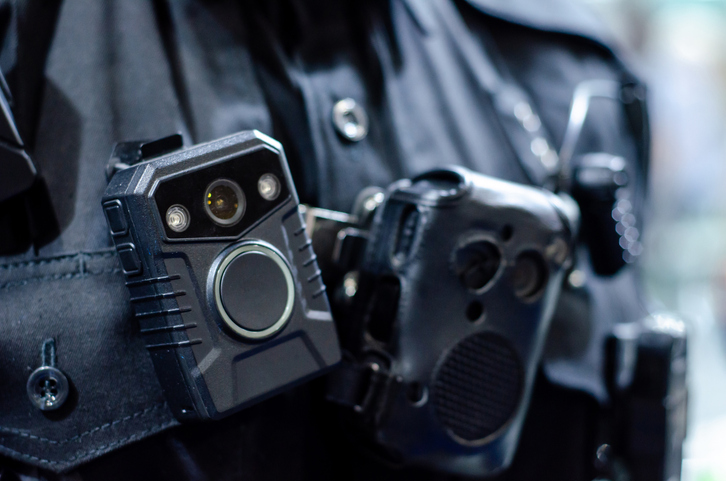
The NYPD outlines when officers must activate body cameras, setting a standard for what should be captured and reviewed.
Since 2017, officers have worn these cameras during their shifts. They record full interactions, including 30 seconds of silent footage before audio starts. That early video often shows how a stop begins, how an officer moves, and whether force was used without warning.
For Bronx residents, especially in areas like Soundview or the Grand Concourse, body cam footage helps answer questions like:
- Did the officer give a reason for the stop?
- Were you free to walk away?
- Was the tone respectful or aggressive?
- Did the officer escalate things without cause?
The NYPD Patrol Guide requires officers to activate their body cams during all investigative encounters. If they fail to turn it on, that can also raise red flags about the legality of the stop.
Radio Runs: Tracking Officer Dispatch and Intent
Every time an NYPD officer responds to a report, that call gets logged as a radio run. These audio logs and timestamps tell us what the officer knew before making contact. That matters a lot. If an officer stops you but didn’t receive a report matching your appearance or behavior, their reason may not hold up in court.
Dispatch logs are specific. They record:
- Time and location of the original call
- Description of the person officers were told to look for
- Nature of the complaint (e.g., robbery, noise, suspicious behavior)
Let’s say you were stopped near Yankee Stadium around 5 p.m. If the radio run from that time only mentioned a shoplifting suspect wearing different clothes or in another part of the Bronx, the stop might not be justified. Reviewing these records helps attorneys connect or disconnect the dots between what officers claim and what they were actually told.
Real-Time Conflicts: When Video and Dispatch Don’t Match
Administrative errors can trigger unlawful detention, especially when people are held past release due to unresolved paperwork delays. Body cam or dispatch records often show the person should have been released.
Another clear sign of unlawful detention appears when body cam footage doesn’t match the dispatch audio. For instance, the radio run may describe a male suspect in red in the South Bronx, yet officers detain a woman in neutral clothes near Pelham Parkway. Vague or incorrect information can’t justify the stop.
In some Bronx stops, we’ve seen:
- Officers detain people without ever receiving a dispatch call
- Footage showing hesitation or confusion about why the stop is happening
- Officers saying “you fit the description” without any actual match to the radio run
This kind of evidence can seriously weaken a prosecution’s case and support a motion to suppress. Courts want alignment between what an officer knew, what they saw, and how they acted.
Proving the Detention Had No Legal Grounds
Fighting an unlawful stop begins with understanding the limits of police authority. If officers ignore required procedures or lack a clear reason for the stop, the entire encounter may be invalid. These cases often overlap with illegal police searches, making digital evidence especially important.
Attorneys review body cam footage, dispatch logs, and officer reports to determine whether the stop meets the standard of reasonable suspicion. If it doesn’t, your rights were violated. In Bronx Criminal Court on East 161st Street, this evidence becomes central during pretrial hearings. When footage and reports don’t align, or the officer’s story shifts, that gap becomes the foundation for a defense.
Attorneys look for signs like:
- Unclear or no explanation of the stop
- No matching description in the radio run
- Aggressive body language without cause
If those signs appear, they build a case to throw out evidence collected during the stop. That can mean the difference between a conviction and a dismissal.
Pattern Evidence: Repeated Unlawful Stops in the Bronx
Missed court date holds can lead to unlawful detention when a case is resolved but systems lag behind. Digital records often prove there was no basis to continue holding the person.
Some Bronx neighborhoods, like Hunts Point and East Tremont, face repeated police stops that don’t hold up under review. Body cam and radio run data often reveal people being detained without cause, even when no active crime links them to the scene.
This pattern evidence supports broader legal challenges. It helps:
- Identify officers who repeatedly violate policy
- Expose gaps in NYPD training or supervision
- Strengthen defense strategies for individuals facing charges
- Support civil rights claims when stops appear racially biased or unjustified
These patterns have led to class action suits and public demands for change. They start with one person requesting their footage.
Why Time, Location, and Language on Record Matter
Desk Appearance Tickets (DATs) are supposed to keep people out of jail, but DAT-related detentions sometimes last longer than they should. Footage and dispatch logs help show when that delay becomes unlawful.
Every detail matters like time, location, and exact words. Video and audio reveal what officers said and did. For example, if an officer says “Can I talk to you?” but blocks your path or holds your ID, that may count as detention. When force is used without cause, that shifts the legal meaning entirely.
Language shapes how courts see the moment:
- “You’re being detained” triggers legal obligations
- “You’re under arrest” requires probable cause
- “Do you mind if I ask you something?” might not
Judges in Bronx courtrooms pay attention to how officers phrase things, especially in tense or unclear situations. These are not just technicalities, they’re often the strongest part of a defense.
How Bronx Defense Attorneys Use This Evidence in Court
Skilled defense attorneys follow a clear process to challenge unlawful detentions. First, they request all digital evidence through discovery. That includes:
- Body cam footage from every officer on scene
- Dispatch logs and transcripts
- Any follow-up reports or supplemental video (like CCTV)
Next, they analyze the evidence. If something doesn’t match, the footage, the report, the radio log, they build a timeline. That timeline becomes the core of a suppression motion, where the attorney asks the court to throw out evidence gathered during the illegal stop.
These arguments often happen in pretrial hearings like Mapp hearings at the Bronx Hall of Justice. A well-prepared motion can convince a judge to suppress key evidence, dismiss charges, or reduce penalties.
Your Rights Deserve Protection
If you’ve been stopped in the Bronx and something didn’t feel right, trust that instinct. Body camera footage and radio run logs exist to protect the truth, and your rights. The legal system now relies on these tools to separate lawful policing from abuse of power.
At Horn Wright, LLP, our Bronx-based legal team knows how to investigate unlawful detentions and challenge police conduct using digital evidence. If your rights were violated, we’re ready to help you take the next step. You can contact us to speak with someone who will listen, review the details, and guide you through your options. Let’s talk about what really happened, and what you can do about it.

What Sets Us Apart From The Rest?
Horn Wright, LLP is here to help you get the results you need with a team you can trust.
-
Client-Focused ApproachWe’re a client-centered, results-oriented firm. When you work with us, you can have confidence we’ll put your best interests at the forefront of your case – it’s that simple.
-
Creative & Innovative Solutions
No two cases are the same, and neither are their solutions. Our attorneys provide creative points of view to yield exemplary results.
-
Experienced Attorneys
We have a team of trusted and respected attorneys to ensure your case is matched with the best attorney possible.
-
Driven By Justice
The core of our legal practice is our commitment to obtaining justice for those who have been wronged and need a powerful voice.