


How to Document a False Imprisonment Incident in the Bronx (Timeline, Names, Video)
Steps to Take After a False Imprisonment
If you were wrongfully detained in the Bronx, you may still feel shaken and overwhelmed. False imprisonment, whether by law enforcement, private security, or a store employee, leaves a deep emotional mark. It also creates legal complications you might not be prepared for. That’s why documenting the experience, step by step, matters so much. The sooner you gather the right information, the stronger your claim becomes.
At Horn Wright, LLP, we help Bronx residents pursue justice when their rights have been violated. Our Bronx false imprisonment lawyers understand how these situations unfold, and how to build a strong case under New York law. If you’ve experienced unlawful restraint, we can help you take back control and hold the responsible parties accountable.
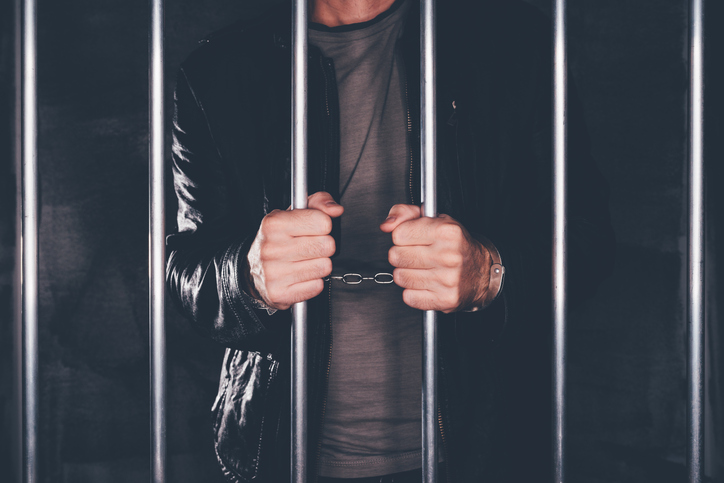
Recognize the Moment False Imprisonment Begins
False imprisonment happens when someone restrains your freedom of movement without legal authority. Under New York State law, this means you were held against your will and without justification. That restraint doesn’t have to include handcuffs or locked rooms.
If a store employee stops you on Fordham Road and refuses to let you leave the premises without calling police, and they have no evidence of theft or wrongdoing, that could meet the standard for false imprisonment. The same goes for NYPD officers detaining you near Yankee Stadium without probable cause or a warrant.
Recognizing that moment is important. Ask yourself:
- Did I feel free to leave?
- Was I given a reason for the stop?
- Did the person detaining me have legal authority to do so?
Pinpointing when and how your freedom was restricted lays the groundwork for everything that follows.
Write Down a Clear Timeline of Events
After any traumatic event, your memory can fade quickly. Even if the experience is seared into your mind right now, details may slip away after just a few days. That’s why you should start a timeline immediately.
Write down:
- The date and exact time the incident began and ended
- Where you were before, during, and after the detention
- What each person involved said or did, in the order it happened
You can use the Notes app on your phone or a physical notebook, whatever helps you record things fast. Mention key places: maybe you were stopped inside a store near Grand Concourse, or held outside the 42nd Precinct for questioning. These local details give your account structure.
Lawyers rely on these records when building false imprisonment claims in New York State. If you wait, those specifics may disappear.
Identify All Involved Individuals by Name
Don’t count on your memory to remember who was there. As soon as you can, start listing every person who played a role in the incident. That includes the person who detained you, their supervisor, any nearby officers, and even bystanders.
Try to record:
- Full names (or partial names if that’s all you caught)
- Job titles or affiliations (NYPD, security guard, store employee)
- Badge or ID numbers, if visible
- Physical descriptions: height, build, clothing, and voice
If the person wears a uniform, look for nameplates, patches, or any logos. In the Bronx, this can help determine if they work for the city, NYPD, MTA, or a private business. These identifiers become important when your attorney contacts witnesses or requests records later on.
Record Key Details About the Location
Where the detention occurred can affect jurisdiction, liability, and available evidence. Documenting this correctly can make your case easier to prove.
Start by writing down the exact address or intersection. If you were stopped at the Bruckner Expressway or near Bronx Criminal Court, include those references. Add details about the environment:
- Was it indoors or outside?
- Was the area well-lit or dark?
- Were there security cameras nearby?
Take a photo of the spot, if it’s safe. Even a quick picture of the storefront or subway entrance can help attorneys recreate the scene. Under New York civil rights law, location matters, especially if city agencies are involved.
Preserve All Available Video and Audio
In the Bronx, video evidence can make or break your case. Surveillance footage, cell phone recordings, and even audio clips can clarify what really happened. But this evidence can disappear quickly if you don’t act.
Here’s what you should do:
- Ask the business or location owner (like a bodega or store in Bay Plaza) to preserve their security footage
- If someone nearby recorded the incident, ask them to share the file with you directly
- Save any voice memos, voicemails, or videos you took during or after the event
- Back up everything to cloud storage or email it to yourself
New York doesn’t require businesses to keep surveillance videos forever. Some overwrite footage in 48 to 72 hours. The faster you act, the better chance you have of saving valuable proof.
New York State also recognizes that individuals have the right to record public officials, including law enforcement, provided it doesn’t interfere with their duties. This legal protection reinforces the importance of preserving any media you personally captured.
Collect Eyewitness Information Immediately
People nearby often see or hear parts of the incident you might miss. Whether it’s a commuter on the 6 train platform or a shopper inside a Bronx corner store, their account could support your version of events.
If you feel safe doing so, approach witnesses quickly. Ask for:
- Their full name and phone number
- A brief written statement or text describing what they saw
- Any video or photo they may have taken
Let them know this might support a legal case. Some Bronx residents may feel uncomfortable getting involved, but many are willing to help if asked respectfully and calmly.
Even a simple text like “I saw them stop you with no reason” can carry weight in court.
Safeguard All Physical Evidence
In some false imprisonment cases, there’s physical evidence of what happened. Maybe your arm got bruised during the restraint. Maybe your phone screen cracked while you were being held. Don’t overlook these details.
Take pictures of:
- Any visible injuries, from bruises to scrapes
- Clothing that was torn or stained
- Damaged items like bags, phones, or glasses
Seek medical care if needed. Clinics like St. Barnabas or Lincoln Hospital in the Bronx can provide documentation. Keep copies of your visit summary, prescriptions, and test results.
Also keep receipts, Uber rides, or anything tied to the incident. All of this can support your story under New York’s civil law.
Write a Detailed Personal Statement
Your memory matters. Write a full narrative of what happened, using plain language. This isn’t about sounding legal or official, it’s about being real and specific.
Start with when and where it happened. Walk through each step. Include how you felt, what you thought, and what happened right after. This helps connect the facts to your emotional experience.
Organize your statement in order. Use your timeline and notes to guide you. Aim for clarity over length. You can even record yourself talking through the experience first, then write it down.
Your attorney may rely on this statement when building your case, especially if it goes to court. In New York civil rights cases, firsthand accounts often carry more impact than people expect.
Avoid Sharing Details on Social Media
You might want to post right away. That’s natural. But in these situations, social media can do more harm than good.
Defense attorneys can pull screenshots, videos, or comments from public posts. Even private messages may be accessed during legal proceedings. Oversharing can hurt your credibility or conflict with later statements.
Instead:
- Save any videos or photos privately
- Avoid posting about the incident, especially tagging people or locations
- Don’t argue with others online about what happened
Wait until you’ve spoken with an attorney. Your words matter, and in New York civil claims, public posts can become part of the record.
Consult a New York Civil Rights Attorney Promptly
Once you’ve gathered your documentation, speak with an attorney who handles false imprisonment cases in New York. These cases can be complex, especially if a government agency is involved.
Attorneys help with:
- Preserving surveillance footage before it’s deleted
- Sending legal notices to the city (within the required 90 days)
- Interviewing witnesses the right way
- Filing claims within New York’s civil statute of limitations
If the incident happened in the Bronx, work with someone who knows the local legal system. Understanding how NYPD policies interact with New York State law matters. So does knowing which Bronx courts handle civil rights claims.
Take the Next Step Toward Justice
Documenting a false imprisonment incident isn’t easy. But you don’t have to do it perfectly, you just have to start. Every note, video, or detail helps protect your rights. At Horn Wright, LLP, we know how to turn that documentation into action. Our Bronx-based civil rights attorneys understand New York law and how to fight for justice. If you believe someone detained you unlawfully, contact our team today. We’ll listen, we’ll guide you, and we’ll fight to make things right.

What Sets Us Apart From The Rest?
Horn Wright, LLP is here to help you get the results you need with a team you can trust.
-
Client-Focused ApproachWe’re a client-centered, results-oriented firm. When you work with us, you can have confidence we’ll put your best interests at the forefront of your case – it’s that simple.
-
Creative & Innovative Solutions
No two cases are the same, and neither are their solutions. Our attorneys provide creative points of view to yield exemplary results.
-
Experienced Attorneys
We have a team of trusted and respected attorneys to ensure your case is matched with the best attorney possible.
-
Driven By Justice
The core of our legal practice is our commitment to obtaining justice for those who have been wronged and need a powerful voice.