


Wrongfully Detained at an MTA Station in the Bronx
What to Do If NYPD Transit Officers Stop You Without Cause
Getting stopped by police while riding the subway is something most people in the Bronx never expect. But it happens. One minute you're catching the 4 train to work, and the next, you're pulled aside by NYPD Transit officers and told to answer questions or empty your pockets. If there’s no valid reason, and you're held anyway, that’s a wrongful detention.
Being wrongfully detained at a Bronx MTA station can be frightening, humiliating, and deeply unfair. You may not know why it’s happening or how to respond. At Horn Wright, LLP, our Bronx false imprisonment attorneys understand how these situations unfold. Our civil rights attorneys are here to help Bronx residents stand up to unlawful police conduct. If you've been wrongfully stopped or detained at a station like Fordham Road or East 149th Street, we’re ready to evaluate your situation and protect your rights.
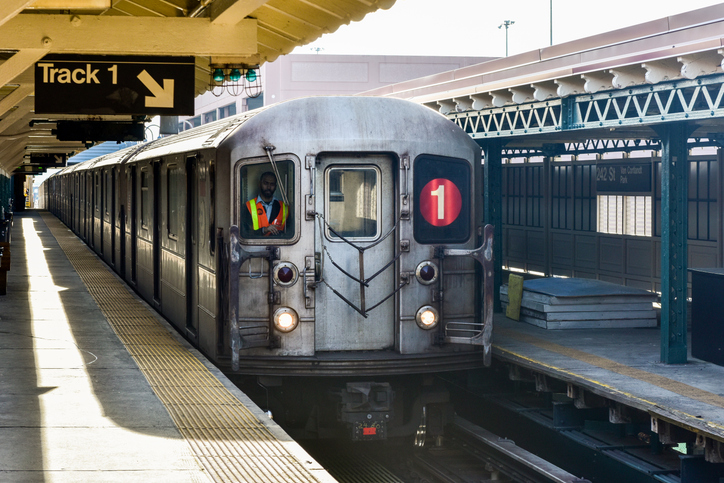
How Wrongful Detentions Happen at Bronx MTA Stations
Wrongful detentions usually unfold quickly and with little explanation. You might be standing on the platform at 170th Street or exiting the turnstile at Simpson Street when an officer stops you. The reason given may seem vague or inconsistent. In some cases, there’s no real reason.
Many Bronx residents report being stopped for "acting suspicious" or "matching a description." These claims are often thin. Sometimes they’re not based on anything specific. And in neighborhoods with over-policing histories, like Highbridge or Hunts Point, these encounters happen far too often.
Some common triggers include:
- Accusations of fare evasion even when a valid MetroCard was used
- Loitering near station entrances
- Alleged refusal to comply with vague verbal commands
- Officers claiming someone looked nervous or avoided eye contact
If you’re surrounded by transit officers without a clear reason, and you’re not allowed to leave, that’s a detention. If they can’t justify it with facts, that detention could be unlawful.
What Officers Can and Can’t Do During a Stop
During any stop, whether at a subway station or on the street, NYPD officers must follow specific legal standards. They can’t just stop and question someone without a basis. And they definitely can’t detain you without clear justification.
Here's what the law allows:
- Officers can stop you if they have reasonable suspicion that you’re involved in a crime.
- To frisk you, they need to believe you may be armed and dangerous.
- They can only arrest you if they have probable cause, a much higher standard.
They cannot:
- Search your bag without consent or probable cause
- Demand ID unless you’re being lawfully detained
- Force you to answer questions
- Hold you without a clear justification
If they violate any of these limits, they may have overstepped their authority. Detention that goes beyond those rules, especially if prolonged or aggressive, can form the basis of a legal claim.
Your Rights if You’re Stopped or Detained at a Bronx Subway Station
Knowing your rights during a subway stop can make a big difference. It won’t always stop a wrongful detention, but it can help you stay safer and protect your future options.
Here’s what you can, and should, do:
- Stay calm. Don’t run or resist, even if the stop feels unfair.
- Don’t answer questions you don’t want to. You have the right to remain silent.
- Don’t consent to a search. Clearly state, "I do not consent to a search."
- Ask if you're free to go. If the officer says yes, walk away slowly and quietly.
- Take mental notes. Badge numbers, what was said, who was around, all of it matters.
In neighborhoods where English isn’t the first language, like parts of Parkchester or Morris Heights, language barriers can complicate these moments. NYPD officers are required to find a translator or interpreter if needed.
You have the right to fair treatment regardless of your background, accent, or where you live in the Bronx.
The Real Impact of Being Wrongfully Detained in the Bronx
Wrongful detention is personal. It can shake your sense of safety, especially when it happens in a public place with others watching. For many people, it leaves a mark that lasts long after they’re released.
People impacted by this experience have reported:
- Missed job interviews, classes, or daycare pickups
- Feeling scared to ride the subway again
- Struggling with sleep, stress, or fear of more encounters
For Bronx immigrants or mixed-status families, a police stop can raise additional fears about immigration status. Teenagers, especially young men of color, often carry the emotional weight of these experiences for years. The damage may not be visible, but it’s very real.
How to Document a Wrongful Detention in Real Time
If you’re ever stopped unlawfully at a Bronx MTA station, the details matter. What you remember, and what you can prove, may shape your legal outcome.
You can help your case by taking these steps:
- Write down the time, date, and location as soon as you're safe
- Record names, badge numbers, and patrol car details if available
- Ask bystanders for names or contact info (if they saw what happened)
- Save your MetroCard or OMNY history to confirm where and when you entered
- Look for security cameras. Most MTA stations, including 3rd Avenue and 49th Street, have multiple angles
Even if you couldn’t record during the event, anything you recall afterward may still help. Write it down right away. Memory fades quickly, especially under stress.
What to Do After You’ve Been Released
Once you're out of custody or free to go, what you do next really matters. Acting quickly helps preserve evidence and protect your legal rights.
Here’s a short checklist:
- Seek medical care if you were hurt or feel unwell
- Keep all paperwork, including tickets, summonses, or receipts
- Write down everything that happened, in your own words
- Tell someone you trust what happened, so there’s a second account
- File a complaint with the Civilian Complaint Review Board (CCRB)
Then, if you think the stop was illegal, speak with a civil rights attorney. A legal professional can review the facts and let you know if you have a case. Bronx residents deserve protection from overreach, no matter what station they’re using or what neighborhood they call home.
Can You Sue for Being Wrongfully Detained in the Bronx?
Yes, in some cases, you can file a lawsuit against the city or individual officers for wrongful detention. These are serious claims, and they follow strict legal rules.
The most common basis is a federal civil rights action under 42 U.S.C. §1983. State-level claims may also apply. But first, you’ll need to:
- File a Notice of Claim within 90 days of the incident
- Gather evidence that shows the detention lacked legal grounds
- Work with an attorney who understands both local courts and MTA-related cases
Damages may cover:
- Emotional distress and trauma
- Lost wages
- Legal expenses
- Other financial and non-financial losses caused by the stop
Not every case leads to a lawsuit. But if your rights were violated, you have the power to push back.
Local Cases and Data: What the Numbers Say
In recent years, stop-and-frisk practices have declined in New York City overall, but certain patterns still persist, especially at Bronx transit hubs. Stations like 149th Street–Grand Concourse and Burnside Avenue remain among those with higher stop rates.
Thousands of subway-related stops still occur annually across the Bronx. And though not all are wrongful, many include vague justifications or lack sufficient cause. Civil rights organizations have filed multiple lawsuits in recent years involving unlawful searches or detentions at subway stations.
How Bronx Communities Are Responding
The Bronx has a long history of standing up for its people. Today, local groups continue that work, demanding fairness from transit policing and broader civil protections.
Organizations like The Bronx Defenders and Riders Alliance hold regular workshops to educate riders on their rights. They also push for transparency in how stops and detentions are reported by the NYPD Transit Bureau. Public meetings at community boards, such as those in Melrose and Soundview, have spotlighted repeated stops of teenagers and working-class residents.
These community actions matter. They help shift policy. They put pressure on public agencies. And they give people tools to advocate for themselves and their neighbors.
Know Your Rights, Protect Your Future
Being wrongfully detained at an MTA station can leave lasting damage, emotionally, financially, and legally. But knowing your rights is a powerful first step. If it happens to you or someone you care about, don’t stay silent. Write down everything. Save the proof. Talk to someone who understands these situations and can guide you forward.
You shouldn’t have to feel unsafe just getting on the train. You have the right to move through the Bronx freely and without fear.
Horn Wright, LLP, Stands with Bronx Transit Riders
At Horn Wright, LLP, we know what wrongful detentions look like, and we know how to fight back. Our civil rights team serves the Bronx with dedication and urgency. If you or a loved one experienced something similar, reach out for a free consultation. Let’s talk through your options and help you take that next step toward justice.

What Sets Us Apart From The Rest?
Horn Wright, LLP is here to help you get the results you need with a team you can trust.
-
Client-Focused ApproachWe’re a client-centered, results-oriented firm. When you work with us, you can have confidence we’ll put your best interests at the forefront of your case – it’s that simple.
-
Creative & Innovative Solutions
No two cases are the same, and neither are their solutions. Our attorneys provide creative points of view to yield exemplary results.
-
Experienced Attorneys
We have a team of trusted and respected attorneys to ensure your case is matched with the best attorney possible.
-
Driven By Justice
The core of our legal practice is our commitment to obtaining justice for those who have been wronged and need a powerful voice.