


Fighting Back: Success Stories of Racial Profiling Lawsuits
Real Cases Show That Justice Is Possible
When someone is profiled, it can feel like the entire system is stacked against them. The officer has authority, the report feels official, and victims walk away convinced no one will believe their side. But over and over again, New York courts have shown that justice is possible. Cases have been won. Juries have spoken. Settlements have been paid.
These victories matter. They don’t erase the humiliation or the harm, but they prove that the law can work when it’s pushed. They show communities that standing up isn’t just symbolic, it can lead to accountability, real money damages, and changes in how departments operate.
At Horn Wright, LLP, we study these successes closely. Every verdict, every settlement, every jury decision becomes a blueprint for the next fight.
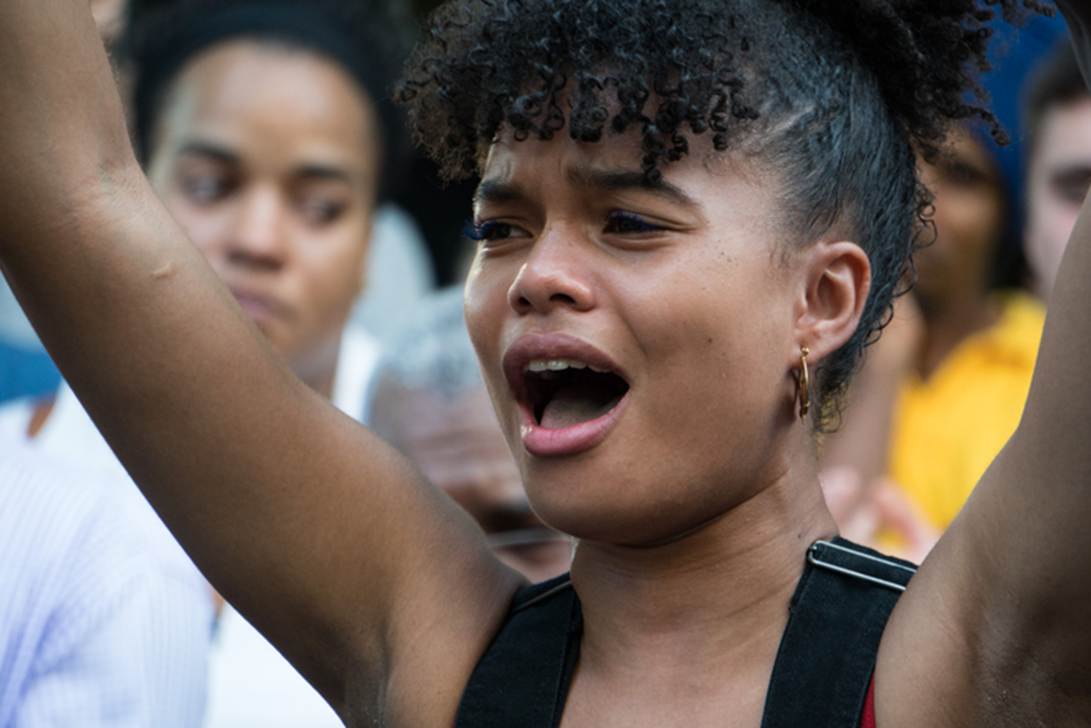
Landmark Profiling Cases in New York Courts
New York has been the stage for some of the most important racial profiling lawsuits in the country. Perhaps the most well-known is Floyd v. City of New York (2013). That case didn’t just challenge one stop-and-frisk encounter. It challenged years of systemic profiling by the NYPD. Plaintiffs presented data showing disproportionate stops of Black and Latino men, and a federal judge ruled that the practice violated both the Fourth Amendment and the Fourteenth Amendment. The ruling forced reforms that reshaped policing across the city.
Another landmark was Daniels v. City of New York (2003), which laid the groundwork for Floyd by securing limits on stop-and-frisk practices and stronger oversight. Both cases relied not just on personal testimony but on statistical evidence, a reminder that numbers can be as powerful as words in profiling cases.
Under New York’s own Human Rights Law (Executive Law §296), victims have also won cases proving that discrimination in public accommodations, including transit systems and public services, is unlawful. These state-level victories complement federal civil rights claims, giving New Yorkers multiple avenues for justice.
How Juries Respond to Evidence of Profiling
Jurors are often skeptical at the start. Police reports sound official. Officers present themselves as credible. But when evidence is laid out, videos, data, and patterns, juries shift.
In one Bronx case, a young man was stopped and frisked on his way to school. Officers claimed he was “acting suspiciously.” But video footage showed him walking calmly with a backpack. The jury didn’t buy the excuse. They awarded damages, not just for lost time but for the humiliation he endured.
What resonates with juries is not abstract legal theory but the human story. A father explaining how his son no longer feels safe walking to the corner store. A worker describing panic every time he sees flashing lights. These details humanize the case, and when paired with evidence, they’re hard to dismiss.
New York juries have repeatedly recognized that profiling is real and harmful. When presented clearly, the truth cuts through the official narratives.
What Settlements Have Provided for Past Victims
Not every case goes to trial. In fact, many profiling lawsuits end in settlements. While settlements don’t always come with public acknowledgment of wrongdoing, they provide victims with real compensation.
Some settlements cover therapy and medical expenses, recognizing the psychological harm profiling causes. Others provide compensation for lost wages when profiling leads to missed work or job loss. In systemic cases, settlements have included agreements for policy reforms, like requiring police to wear body cameras or track stop-and-frisk data more transparently.
For example, in the years following Floyd, New York City paid millions to settle individual profiling claims. These weren’t handouts, they were acknowledgments that rights had been violated. And for victims, the settlements provided a measure of closure and a tangible way to rebuild lives interrupted by discrimination.
Vermont Courts Have Historically Awarded Lower Damages Than New York Courts
It’s worth noting that remedies differ by state. Vermont courts have historically been more conservative in awarding damages in civil rights cases, including those involving racial profiling. Victims there may prove a violation but walk away with modest compensation.
New York is different. State and federal courts here have recognized the deep harm profiling inflicts, and damages reflect that recognition. Juries have awarded significant sums for emotional distress alone, and punitive damages have been granted in cases where officer conduct was especially egregious.
This contrast highlights why venue matters. A victim in New York has stronger chances not only of winning but of receiving damages that truly reflect the harm done.
Lessons Learned From Successful Lawsuits
Every case teaches something. From past profiling lawsuits in New York, several lessons stand out:
- Data is powerful. Statistics showing disproportionate stops make it harder for departments to deny systemic bias.
- Video changes everything. Body camera and surveillance footage can transform a “he said, she said” case into undeniable proof.
- Human stories resonate. Jurors connect deeply with testimony about fear, humiliation, and lasting harm.
- Persistence pays off. Many successful lawsuits took years of litigation before justice was achieved.
These lessons shape strategies for future cases. They show that while profiling lawsuits are uphill battles, they are battles that can be won with the right mix of evidence, patience, and advocacy.
How These Stories Inspire Future Claims
For victims, hearing that others have won matters. It makes filing a claim feel less daunting. Success stories show that profiling isn’t just something to be endured, it’s something that can be challenged.
These cases also inspire broader community action. When a jury awards damages or a court orders reform, it sends a message that profiling is unacceptable. That message ripples outward, giving courage to others who might otherwise stay silent.
Attorneys also draw inspiration. Each victory adds to the body of case law and practical knowledge that makes the next claim stronger. The fight against racial profiling builds on itself, case by case, client by client.
Horn Wright, LLP, Builds on Proven Case Victories
Success leaves a trail. At Horn Wright, LLP, we follow it. We study past verdicts and settlements, learn what evidence moves juries, and apply those lessons to new cases. Every client benefits from the victories that came before them. And with each new case our civil rights attorneys win, we add to that legacy. If you’ve been profiled, we’ll build on proven strategies and fight for your justice in court.

What Sets Us Apart From The Rest?
Horn Wright, LLP is here to help you get the results you need with a team you can trust.
-
Client-Focused ApproachWe’re a client-centered, results-oriented firm. When you work with us, you can have confidence we’ll put your best interests at the forefront of your case – it’s that simple.
-
Creative & Innovative Solutions
No two cases are the same, and neither are their solutions. Our attorneys provide creative points of view to yield exemplary results.
-
Experienced Attorneys
We have a team of trusted and respected attorneys to ensure your case is matched with the best attorney possible.
-
Driven By Justice
The core of our legal practice is our commitment to obtaining justice for those who have been wronged and need a powerful voice.