


Racial Profiling and Policy Reform: Your Role in Change
Lawsuits Alone Do Not End Profiling
Winning in court can feel like a breakthrough. A judge rules in your favor, or a jury awards damages, and for a moment there’s relief. But ask anyone who’s been profiled again a year later, the same stops, the same suspicion, the same neighborhoods targeted, and you see the truth. A single lawsuit rarely rewrites the playbook for policing.
That doesn’t mean lawsuits don’t matter. They absolutely do. They bring accountability, expose what departments want hidden, and put money back in the hands of victims. Experienced civil rights attorneys at Horn Wright, LLP, make sure these cases are fought with the strength they deserve. But if lawsuits are the only tool, the system survives untouched. The same policies stay in place, and the next young man in Brooklyn or the Bronx gets stopped anyway.
That’s why lawsuits have to be part of something larger. Change sticks when courtroom victories are paired with public pressure, legislative fights, and communities refusing to stay quiet.
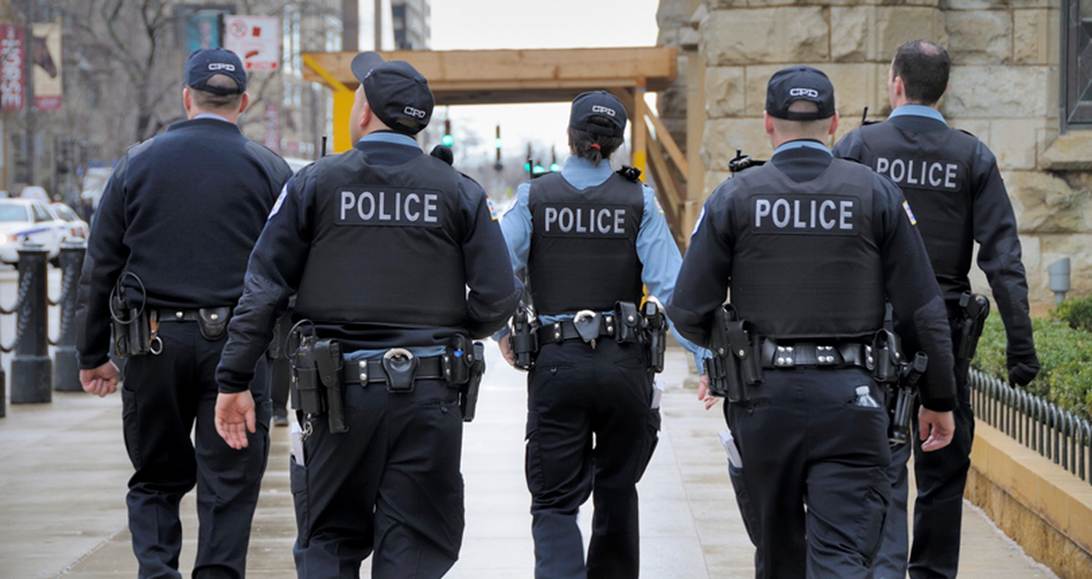
How Community Action Drives Policy Change
Reforms in New York didn’t just fall from the sky. They came after years of parents speaking at city council meetings, teenagers holding signs outside precincts, and advocacy groups pulling together data no one else wanted to talk about.
Community action matters because it shifts the conversation from “one bad officer” to “a pattern of abuse.” When enough people tell their stories, about being stopped at a turnstile in Harlem, or pulled off a Q train for “random checks” that never feel random, policymakers have no choice but to listen.
Community pressure has led to:
- Hearings at City Hall that forced the NYPD to disclose stop-and-frisk statistics.
- The Community Safety Act of 2013, which created an inspector general to oversee police conduct.
- Demands that the MTA make fare evasion enforcement data public.
None of that happened because of one lawsuit. It happened because communities amplified those lawsuits until leaders couldn’t ignore them.
New York’s History of Racial Profiling Reform
The story of racial profiling in New York is tied directly to stop-and-frisk. For years, millions of stops were carried out disproportionately on Black and Latino residents. Entire neighborhoods felt under siege.
It took a mix of court rulings and public outrage to shift things. Floyd v. City of New York in 2013 was a turning point. The federal court ruled the practice unconstitutional under the Fourth and Fourteenth Amendments, calling out how deeply biased it was. Around the same time, the state strengthened its own protections under the New York State Human Rights Law (Executive Law §296), making clear that discriminatory policing was not just bad practice, but unlawful.
But it wasn’t the courts alone. Community marches across Brooklyn, press conferences in front of police headquarters, and national media attention made sure those rulings stuck. Without that public force, stop-and-frisk might still look the same today.
The Role of Civil Rights Lawsuits in Policy Shifts
Civil rights lawsuits carry a double weight. They bring justice to victims, and they open the door for systemic change.
When someone files under 42 U.S.C. §1983, discovery can force departments to hand over data they’d prefer buried, stop records, racial breakdowns, internal memos. That information doesn’t just help the plaintiff. It often makes its way into the hands of journalists and community groups who use it to demand reforms.
Some cases end in consent decrees or settlements that go beyond money. They require changes: training reforms, adoption of body cameras, or independent oversight committees. Without those lawsuits, much of the proof of profiling never sees daylight.
That’s why litigation is more than personal. It becomes a lever for communities to push wider change.
In Vermont, Policy Reform Has Been Slower and More Limited Than in New York
Comparisons show how much the local legal framework matters. In Vermont, courts have been slower to recognize broad civil rights remedies in profiling cases. Damage awards are usually smaller, and state-level reforms have lagged behind.
New York looks different. Here, lawsuits have combined with activism to produce real shifts. Transparency laws require misconduct records to be released. Oversight agencies like the CCRB and the NYPD inspector general exist because communities demanded them.
The difference is stark. Where Vermont has struggled to make profiling a policy priority, New York has layered lawsuits, statutes, and public pressure into lasting, if imperfect, reform.
How Victims Can Push for Broader Systemic Change
Being profiled feels isolating, but your voice can ripple outward. Victims can spark change beyond their individual cases by taking steps that connect personal harm to community reform.
That can mean joining class action suits that tackle systemic issues, like transit enforcement or stop-and-frisk data. It can mean showing up at hearings, not just to file a complaint but to tell a story on the record. It can mean partnering with advocacy groups that lobby Albany for stronger oversight.
One person’s story doesn’t end at the courtroom door. When victims speak, others realize they’re not alone. And that realization creates momentum for reforms that protect everyone.
Why Legal Action and Activism Work Best Together
Neither path alone is enough. Activism without lawsuits lacks enforceability. Lawsuits without activism risk being forgotten once the headlines fade. But together? They’re powerful.
Take Daniels v. City of New York in 2003. The lawsuit itself forced limits on stop-and-frisk practices. But it was community action, protests, press coverage, local organizing, that turned those legal wins into a citywide conversation. By the time Floyd was decided a decade later, public opinion had shifted, and reform was unavoidable.
For victims, this means your lawsuit isn’t just about compensation. It’s about credibility. It strengthens activism. And activism, in turn, strengthens the impact of your lawsuit. The two go hand in hand.
Horn Wright, LLP, Supports Victims Who Drive Policy Change
At Horn Wright, LLP, we’ve always seen our clients as more than individuals seeking damages. Many of them become voices for their communities, whether they intend to or not. A single claim can reveal patterns, spark headlines, and lead to reforms that ripple across New York.
Our civil rights attorneys fight for compensation, but we also fight to make sure each case adds weight to the demand for systemic change. If you’ve been profiled, your story matters not just in court, but in the larger push for justice. We’ll stand beside you, build your claim, and help turn it into part of the pressure that drives reform.

What Sets Us Apart From The Rest?
Horn Wright, LLP is here to help you get the results you need with a team you can trust.
-
Client-Focused ApproachWe’re a client-centered, results-oriented firm. When you work with us, you can have confidence we’ll put your best interests at the forefront of your case – it’s that simple.
-
Creative & Innovative Solutions
No two cases are the same, and neither are their solutions. Our attorneys provide creative points of view to yield exemplary results.
-
Experienced Attorneys
We have a team of trusted and respected attorneys to ensure your case is matched with the best attorney possible.
-
Driven By Justice
The core of our legal practice is our commitment to obtaining justice for those who have been wronged and need a powerful voice.