


Racial Profiling and Psychological Harm
The Emotional Toll of Racial Profiling Is Real
Ask anyone who’s been profiled and they’ll tell you: the worst part isn’t always the stop itself. It’s what happens after. You replay the scene in your head — the officer’s tone, the way people stared, the fear that maybe this time it would go further. That loop runs at night, when you’re supposed to be sleeping. It creeps back the next time you pass a patrol car.
Racial profiling doesn’t end when the officer walks away. It lingers. It weighs on people. It builds into a kind of background stress that makes ordinary life feel unsafe. The damage is emotional, psychological, invisible to the eye but heavy in the body.
At Horn Wright, LLP, we’ve sat across the table from clients who break down mid-sentence, because the memory of being singled out won’t let go. That harm is real, and the law in New York gives it weight.
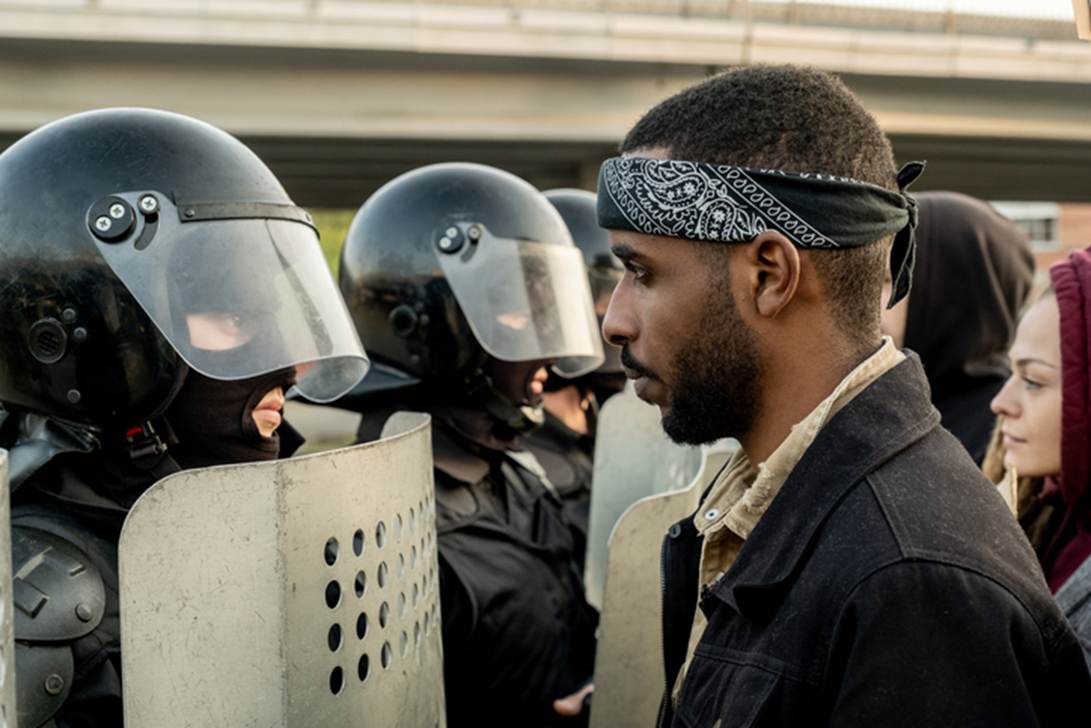
Recognizing Signs of Trauma From Profiling
The harm shows up in different ways. A teenager in the Bronx who was frisked twice in one month might stop hanging out with friends after dark. A mother in Queens who was pulled from her car because she “fit a description” might start taking longer, roundabout routes just to avoid that intersection. These aren’t random habits. They’re signs of trauma.
Clinicians call it hypervigilance, the constant scanning of surroundings. Others experience intrusive flashbacks or sudden panic when they see uniforms. Some avoid whole neighborhoods. These are textbook symptoms of anxiety and post-traumatic stress.
New York courts, applying the Human Rights Law (Executive Law §296), have recognized emotional harm as valid injury in discrimination cases. Victims don’t need broken bones to be taken seriously. The mind carries its own wounds.
How Psychological Harm Strengthens a Claim
Many people think they can’t file a case because “nothing physical happened.” That isn’t true. Psychological harm can carry as much weight in court as physical injury. Under 42 U.S.C. §1983, federal courts let victims of civil rights violations seek damages for emotional distress, even when no hospital visit occurred.
In New York, lawyers often combine constitutional claims with state tort theories like intentional infliction of emotional distress. That widens the scope of recovery. A routine stop that ends without an arrest but leaves a person unable to sleep or focus at work is still a compensable injury.
The point is simple: the law doesn’t measure harm only in stitches or X-rays. Fear, humiliation, and lasting anxiety matter. Courts here have recognized it again and again.
Expert Testimony in Proving Emotional Distress
Telling a judge “I can’t sleep” is powerful, but pairing that with expert analysis makes it stronger. Psychologists in New York regularly testify in these cases. They sit down with victims, conduct clinical evaluations, and explain the diagnosis in language juries can understand.
Under CPLR Article 45, expert testimony is admissible if it’s grounded in recognized methods. That means a psychiatrist can explain how a humiliating stop triggered PTSD, or how repeated profiling episodes caused chronic anxiety. Their testimony bridges the gap between personal story and clinical evidence.
Juries often lean in when experts talk about how trauma works, how the body reacts as if danger is constant, how humiliation hardens into depression. It takes what might seem abstract and makes it undeniable.
In Maine, Emotional Distress Damages Are More Limited Than in New York
State lines matter. In Maine, courts have been more reluctant to award damages for emotional harm alone, often requiring physical injury as a hook. Victims there sometimes walk away with little recognition of what they endured.
New York law is broader. Emotional distress is recoverable on its own, whether under federal civil rights law or state law. Judges here have allowed significant awards for humiliation, fear, and psychological suffering caused by racial profiling. That recognition reflects an understanding: the mental scars are every bit as painful as the physical ones.
It means that victims in New York don’t have to prove bruises to have their trauma respected in court.
Linking Psychological Harm to Civil Rights Violations
For a claim to stick, lawyers need to show the harm wasn’t random. It must be tied to the profiling itself. That’s where evidence comes in.
A client’s own words matter, describing the sleepless nights, the way daily routines changed. Medical records matter, too, therapy notes, prescriptions for anxiety medication, even visits to community clinics that document stress. And expert testimony connects those dots.
Courts apply the Fourteenth Amendment’s Equal Protection Clause and the New York Constitution’s antidiscrimination protections to these cases. When racial profiling is shown to be the cause of documented trauma, liability becomes much harder for defendants to escape.
Remedies That Address Both Emotional and Financial Losses
Remedies aren’t only about money, but compensation is the main tool courts have. In New York, victims can recover:
- Out-of-pocket expenses like therapy costs and medication.
- Lost income if trauma affected work.
- Non-economic damages for pain, humiliation, and loss of dignity.
- Punitive damages in cases where police conduct was especially egregious.
Sometimes lawsuits lead to bigger changes, too. Judges have ordered departments to change training programs, adopt bias-awareness requirements, or strengthen internal reporting. Those remedies acknowledge that healing is about more than a check. It’s about ensuring the next person doesn’t carry the same scars.
Horn Wright, LLP, Fights for Victims Living With Trauma
What profiling takes away isn’t always visible. It’s the joy of walking home without looking over your shoulder. It’s the peace of knowing your child is safe on the subway. At Horn Wright, LLP, we fight to make sure those invisible wounds are seen and compensated. We work with experts, gather records, and show courts the full weight of the trauma racial profiling inflicts. If you’ve lived through it, our civil rights attorneys will stand with you and demand remedies that honor both your pain and your dignity.

What Sets Us Apart From The Rest?
Horn Wright, LLP is here to help you get the results you need with a team you can trust.
-
Client-Focused ApproachWe’re a client-centered, results-oriented firm. When you work with us, you can have confidence we’ll put your best interests at the forefront of your case – it’s that simple.
-
Creative & Innovative Solutions
No two cases are the same, and neither are their solutions. Our attorneys provide creative points of view to yield exemplary results.
-
Experienced Attorneys
We have a team of trusted and respected attorneys to ensure your case is matched with the best attorney possible.
-
Driven By Justice
The core of our legal practice is our commitment to obtaining justice for those who have been wronged and need a powerful voice.