


Your Rights: How to Respond to Racial Profiling Incidents
Knowing Your Rights Can Protect You on the Spot
Racial profiling doesn’t announce itself before it happens. You’re driving home from work, and suddenly the flashing lights appear. You’re stepping onto the subway, and an officer singles you out for a bag check while everyone else walks through. These moments are stressful, confusing, and often humiliating.
But how you respond in that moment can matter, for your safety and for any future legal claim. Knowing what the law allows and what it doesn’t gives you a way to stay calm, to protect yourself, and to make sure the incident doesn’t get buried.
At Horn Wright, LLP, we tell clients this: you can’t stop profiling from happening, but you can prepare yourself to respond in a way that strengthens your position later.
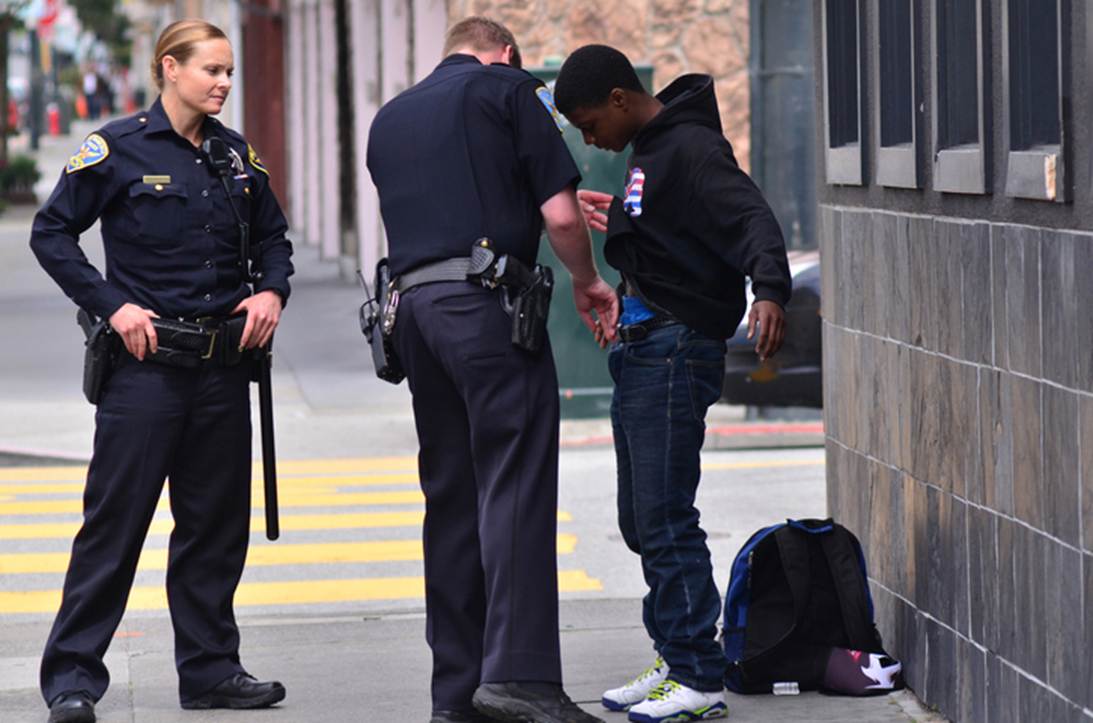
What to Do During a Police Stop in New York
Every stop feels different, but the same basic rules apply. In New York, police cannot detain you without “reasonable suspicion” that a crime has been committed. That standard comes from Terry v. Ohio (1968) at the federal level and is codified in CPL §140.50, New York’s stop-and-frisk statute. But “reasonable suspicion” is often misused. Profiling steps in when suspicion is based not on facts but on race, clothing, or presence in a certain neighborhood.
During a stop:
- Stay calm, but don’t waive your rights. You do not have to consent to a search. If asked, you can say, “I do not consent.”
- Ask if you’re free to go. Officers must either release you or explain why you’re being detained.
- Don’t argue on the spot. Legal battles happen later, not on the sidewalk or roadside.
Remember: refusing consent to a search is not the same as resisting. It simply preserves your rights. Courts in New York have thrown out cases when stops lacked justification under the Fourth Amendment.
How to Safely Document the Incident
Documentation can turn your story into evidence. When racial profiling happens in public, there are often witnesses, cameras, or both. Use that to your advantage.
New York law allows you to record police in public as long as you don’t interfere with their duties. If it’s safe, take out your phone and record. If you can’t, note details: badge numbers, patrol car numbers, time, location. These small details matter later.
Transit stops often have cameras, and under the Freedom of Information Law (FOIL), attorneys can request video footage. But transit agencies don’t keep video forever. Quick documentation increases the chance of preserving that footage.
If you experience physical or emotional harm, seek medical help immediately. Those records become part of your proof. A simple clinic visit can later confirm injuries or document stress symptoms that tie back to the incident.
Who to Contact Immediately After Profiling Occurs
Once the immediate danger has passed, it’s important to contact the right people.
- Civilian Complaint Review Board (CCRB). In New York City, the CCRB investigates complaints of police misconduct, including racial profiling. Filing a complaint creates a record that can support your case.
- Your attorney. The sooner you contact a lawyer, the faster evidence can be preserved. At Horn Wright, LLP, we send out preservation requests to make sure body camera footage and reports aren’t lost.
- Community organizations. Groups like the NAACP Legal Defense Fund or local watchdog coalitions sometimes provide support and guidance for victims of profiling.
These contacts don’t replace each other, they work together. Filing a CCRB complaint while also pursuing civil remedies gives you both an official record and a path toward compensation.
New Hampshire Provides Fewer Immediate Remedies for Victims Compared to New York
The resources available depend heavily on location. In New Hampshire, there’s no independent oversight board like New York City’s CCRB. Victims there often must file complaints directly with the same department responsible for the profiling. That process rarely feels neutral.
New York offers stronger options. In addition to the CCRB, victims can invoke protections under the New York State Human Rights Law (Executive Law §296), which explicitly bans discrimination by public agencies. Federal remedies also apply, including claims under 42 U.S.C. §1983 for violations of constitutional rights.
This combination gives New Yorkers multiple doors to open after profiling, from administrative complaints to civil lawsuits. Those extra remedies mean profiling doesn’t have to be endured in silence.
How to File a Complaint Without Retaliation
Fear of retaliation keeps many victims quiet. Nobody wants officers showing up at their door because they spoke out. But there are ways to protect yourself.
Complaints can often be filed online, limiting direct contact with the department. When complaints are made through the CCRB, they are investigated independently from the NYPD. Federal law, including the Civil Rights Act of 1964, prohibits retaliation against individuals who assert civil rights claims.
Attorneys can also file on your behalf. When a lawyer makes the filing, it signals that you’re not alone — and that any retaliation will itself become grounds for legal action.
Silence protects officers, not victims. Filing safely is possible, and it strengthens both your case and the broader fight against profiling.
Preserving Evidence to Strengthen Your Case
Evidence fades quickly. Police body cameras may overwrite within months. Transit video often disappears even sooner. Witnesses move, memories blur. Preserving evidence early is one of the most important steps you can take.
Attorneys in New York use CPLR Article 31 to demand discovery once a lawsuit is filed, but even before that, letters can be sent to agencies requiring them to retain footage and documents. Medical records, therapy notes, and employment records showing missed work are all valuable pieces of the puzzle.
Your own notes matter too. Write down everything you remember within hours of the event. Small details, the words the officer used, the time of day, the exact location, may prove critical months later.
Profiling cases are often battles of credibility. The more evidence you preserve, the stronger your voice becomes in court.
Horn Wright, LLP, Teaches Victims How to Respond and Take Action
Racial profiling takes away more than time, it strips dignity. The law provides remedies, but those remedies only work if victims respond and preserve their rights. At Horn Wright, LLP, our civil rights attorneys guide clients from the moment of the stop through the filing of lawsuits, making sure evidence is preserved, complaints are filed safely, and claims are backed by proof. If you’ve been profiled, we’ll teach you how to respond and fight back in a way that protects your rights.

What Sets Us Apart From The Rest?
Horn Wright, LLP is here to help you get the results you need with a team you can trust.
-
Client-Focused ApproachWe’re a client-centered, results-oriented firm. When you work with us, you can have confidence we’ll put your best interests at the forefront of your case – it’s that simple.
-
Creative & Innovative Solutions
No two cases are the same, and neither are their solutions. Our attorneys provide creative points of view to yield exemplary results.
-
Experienced Attorneys
We have a team of trusted and respected attorneys to ensure your case is matched with the best attorney possible.
-
Driven By Justice
The core of our legal practice is our commitment to obtaining justice for those who have been wronged and need a powerful voice.