


Can a Cargo Loading Company Be Liable for a Truck Accident in Vermont?
Unsafe Cargo Can Cause Serious Truck Accidents
Commercial truck accidents often involve more than just driver mistakes. In many cases, the way cargo was loaded before the truck entered the road may contribute directly to the collision. Improperly balanced freight, overloaded trailers, or unsecured cargo can create dangerous driving conditions that place everyone at risk across Vermont highways. These problems sometimes lead to devastating accidents involving serious injuries and major financial losses.
Large commercial trucks require careful weight distribution and secure cargo handling to operate safely. A trailer carrying uneven or unstable freight may become difficult to control during turns, sudden braking, or poor weather conditions near Burlington and throughout Vermont. Cargo that shifts during transport can affect steering, braking distance, and overall vehicle stability within seconds. These dangerous conditions may trigger rollover accidents, jackknife crashes, or lost cargo incidents across busy roads.
At Horn Wright, LLP, our Vermont truck accident attorneys help truck accident victims investigate whether unsafe cargo loading contributed to serious commercial truck crashes throughout Vermont. We work to preserve evidence, review trucking records, and identify every company that may share responsibility for the collision. Understanding how cargo loading companies may become liable can help protect your legal rights after a truck accident.
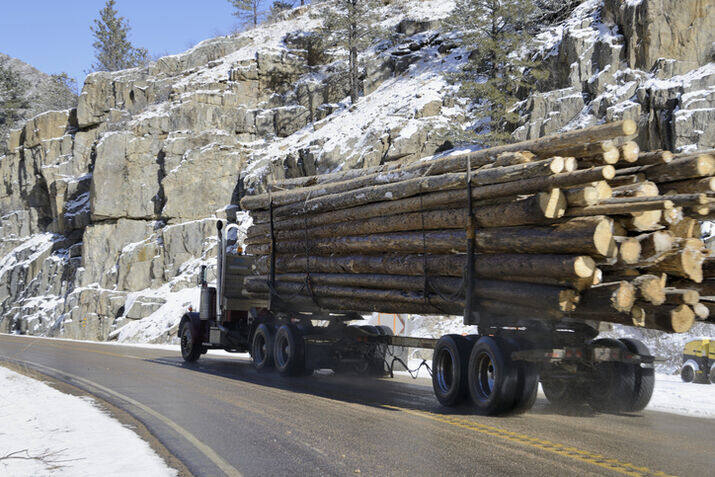
Cargo Loading Companies Have Safety Responsibilities
Cargo loading companies play an important role in commercial trucking safety. Businesses responsible for loading freight must follow safety procedures designed to prevent shifting cargo, overloaded trailers, and dangerous weight imbalances during transportation. When loading crews fail to follow these rules properly, the consequences may become catastrophic once the truck reaches public roads. Unsafe loading practices often increase accident risks substantially.
Commercial truck trailers require balanced weight distribution to remain stable during travel. Too much weight on one side of the trailer may increase rollover risks during turns or sudden lane changes. Overloaded trailers may also place excessive strain on brakes, tires, and suspension systems, reducing the truck’s ability to stop safely. Cargo loading companies responsible for creating these dangerous conditions may become legally liable after serious accidents.
Loading crews must also secure freight properly before the truck departs. Loose cargo may slide inside the trailer during braking or acceleration, causing sudden shifts in vehicle balance. Hazardous materials require even stricter loading and securement procedures because spills or leaks may create additional dangers after a collision. Investigators often examine loading practices carefully after severe truck accidents across Vermont.
Improperly Loaded Cargo May Cause Several Types of Crashes
Unsafe cargo loading can contribute to many different types of truck accidents. A shifting load may suddenly pull the trailer sideways during travel, causing the truck driver to lose control. Overloaded trucks may struggle to stop in time during traffic slowdowns or poor weather conditions near Burlington highways. These dangerous situations often create chain-reaction collisions involving multiple vehicles and catastrophic injuries.
Rollover accidents frequently involve cargo balance problems inside the trailer. Uneven weight distribution may cause the truck to tip during curves, highway ramps, or emergency maneuvers. Jackknife accidents may also occur when improperly loaded trailers swing uncontrollably behind the cab during braking. Cargo spills sometimes create additional collisions if freight falls directly into traffic lanes after impact.
Several loading problems may contribute to truck accidents:
- Uneven weight distribution
- Unsecured freight
- Overloaded trailers
- Improper hazardous material handling
- Incorrect tie-down procedures
Investigators often review loading procedures and shipping records closely while determining whether cargo issues contributed to the collision. Strong evidence may reveal safety violations tied directly to the loading company’s actions.
Federal Regulations Govern Cargo Loading Practices
Federal trucking regulations establish detailed safety requirements for cargo securement and weight distribution. Companies responsible for loading freight must follow these rules carefully before trucks begin transporting cargo through Vermont and across the country. Violations of federal cargo regulations often become powerful evidence during truck accident claims involving unsafe freight handling. These rules exist because improperly loaded trucks create serious dangers for everyone sharing the road.
Federal cargo securement regulations require specific tie-down methods, weight distribution standards, and inspection procedures depending on the type of freight involved. Different materials require different securement techniques to prevent movement during transport. Hazardous materials face even stricter requirements because cargo spills may create fires, explosions, or toxic exposure risks after collisions. Failure to follow these regulations may expose cargo loading companies to substantial legal liability.
Investigators frequently review shipping manifests, loading records, inspection reports, and surveillance footage while evaluating these claims. Evidence of regulatory violations often strengthens negligence claims against cargo loading companies after serious truck accidents.
Truck Drivers May Not Always Control the Loading Process
Many people assume truck drivers alone are responsible for checking cargo safety before driving. While drivers do have inspection duties, they may not always supervise the actual loading process themselves. Large distribution centers, warehouses, shipping terminals, and third-party loading companies often handle freight loading independently. Drivers sometimes receive sealed trailers without seeing how cargo was arranged inside.
In these situations, the cargo loading company may bear significant responsibility if unsafe loading practices contributed to the crash. Drivers may not discover hidden weight imbalances or improperly secured freight until dangerous shifting occurs during transport. Sudden cargo movement may leave drivers with little ability to prevent a serious accident once control problems begin. These cases often involve complicated investigations into who handled the freight before departure.
Trucking companies and cargo companies sometimes dispute responsibility after accidents involving shifting loads. Each side may attempt to blame the other for failing to identify loading problems before the crash occurred. Careful investigation often becomes necessary to determine exactly who controlled the loading process and whether safety inspections were performed properly. Shipping records and warehouse documentation frequently become important evidence during these disputes.
Cargo Issues Can Increase Injury Severity
Improper cargo loading may not only cause accidents but also increase the severity of injuries once collisions occur. Overloaded trucks often require much longer stopping distances than properly balanced commercial vehicles. Drivers may lose the ability to brake effectively during emergencies, leading to higher-speed impacts and more catastrophic injuries. These collisions frequently involve severe trauma because of the enormous force generated by heavy commercial trucks.
Shifting cargo may also worsen crashes by causing trucks to overturn or cross into multiple traffic lanes during loss-of-control events. Cargo spills involving construction materials, machinery, or hazardous substances may create additional dangers for nearby drivers and emergency responders. Victims often suffer spinal injuries, traumatic brain injuries, fractures, or internal injuries after these violent crashes. Medical treatment may continue for months or years afterward.
Serious truck accident injuries often affect work ability, mobility, and financial stability long after the collision itself ends. Identifying all responsible parties becomes critical when victims face long-term medical and financial hardship.
Multiple Companies May Share Responsibility
Truck accident claims involving cargo problems often include several potentially liable parties. The truck driver, trucking company, cargo loading business, warehouse operator, or shipping company may all contribute to unsafe conditions before the crash occurs. Determining responsibility usually requires careful review of contracts, shipping records, inspection procedures, and federal safety compliance documentation. These investigations can become highly technical and legally complicated.
Cargo loading companies may attempt to shift blame toward the trucking company or driver after serious accidents. Trucking companies may argue they relied on professional loading crews to secure freight properly before departure. Drivers may claim they had no access to inspect sealed trailers before transport began. Resolving these disputes often requires detailed investigation into each party’s role during the loading and transportation process.
Commercial truck accident claims frequently involve large insurance policies because catastrophic injuries and substantial financial losses often result from these crashes. Identifying every responsible party may significantly increase the compensation available to injured victims. Strong evidence often helps clarify how unsafe cargo practices contributed to the collision and who should share liability for the resulting damages.
Evidence Often Determines Cargo Loading Liability
Truck accident investigations involving cargo loading issues depend heavily on evidence preservation. Shipping manifests, warehouse records, surveillance footage, inspection logs, and cargo securement documentation may all help establish whether loading errors contributed to the crash. Investigators may also review trailer damage, load shift patterns, and accident reconstruction analysis while evaluating liability. Preserving this evidence early often becomes critical because records may disappear quickly after the accident.
Black box data from commercial trucks may reveal sudden steering corrections, braking patterns, or stability problems caused by shifting cargo before impact. Witness statements may also help explain whether cargo appeared unstable during transport before the crash occurred. Investigators sometimes inspect the remaining freight directly after the accident to identify loading defects or securement failures. Thorough investigations often uncover safety violations hidden beneath the surface initially.
Winter weather conditions throughout Vermont can complicate cargo-related truck accidents further. Snow, ice, and reduced visibility may worsen vehicle stability problems created by improperly loaded freight near Burlington roads and highways. Even under difficult weather conditions, companies responsible for loading cargo must still follow safety regulations carefully. Strong evidence often helps separate weather-related factors from preventable loading failures during litigation.
Legal Guidance Can Help Identify Cargo Loading Liability
Cargo loading companies may become legally responsible when unsafe freight handling contributes to serious truck accidents in Vermont. Improper weight distribution, unsecured cargo, overloaded trailers, and federal safety violations can all create dangerous conditions that lead to catastrophic crashes. These cases often involve several companies, technical evidence, and aggressive insurance disputes after severe injuries occur. Careful investigation usually becomes essential when determining who should share responsibility for the accident.
At Horn Wright, LLP, our Vermont truck accident lawyers help truck accident victims investigate cargo loading practices and pursue compensation from every responsible party involved in the collision. We understand how complicated these cases become when trucking companies, loading businesses, and insurers all attempt to shift blame onto one another. Our team works to preserve evidence, uncover safety violations, and protect our clients’ legal rights throughout the claims process. Having experienced legal guidance can help you focus on recovery while we work to protect your future after a serious truck accident.

What Sets Us Apart From The Rest?
Horn Wright, LLP is here to help you get the results you need with a team you can trust.
-
Client-Focused ApproachWe’re a client-centered, results-oriented firm. When you work with us, you can have confidence we’ll put your best interests at the forefront of your case – it’s that simple.
-
Creative & Innovative Solutions
No two cases are the same, and neither are their solutions. Our attorneys provide creative points of view to yield exemplary results.
-
Experienced Attorneys
We have a team of trusted and respected attorneys to ensure your case is matched with the best attorney possible.
-
Driven By Justice
The core of our legal practice is our commitment to obtaining justice for those who have been wronged and need a powerful voice.