


What Happens After a Truck Accident Caused by Driver Fatigue in Vermont?
Fatigued Truck Drivers Can Cause Catastrophic Crashes
Truck drivers spend long hours on the road moving freight across Vermont and throughout the country. While most drivers work carefully and follow safety rules, fatigue remains one of the most dangerous problems in the commercial trucking industry. Exhausted drivers may struggle to focus, react slowly, or even fall asleep behind the wheel. When that happens, the results can become devastating for everyone nearby.
Truck accidents caused by fatigue often lead to severe injuries because commercial vehicles carry enormous size and weight. A fully loaded truck traveling through Burlington or along Interstate 89 may require far more time and distance to stop safely than a passenger vehicle. If a fatigued driver loses concentration for even a few seconds, the collision may cause catastrophic damage. Victims often face painful recovery, mounting medical bills, and long-term financial stress after these crashes.
At Horn Wright, LLP, our Burlington truck accident attorneys help victims investigate whether driver fatigue contributed to serious commercial vehicle collisions. We work to preserve trucking records, review safety violations, and hold negligent trucking companies accountable when exhaustion leads to preventable crashes. Understanding what happens after a fatigue-related truck accident may help protect your legal rights during recovery.
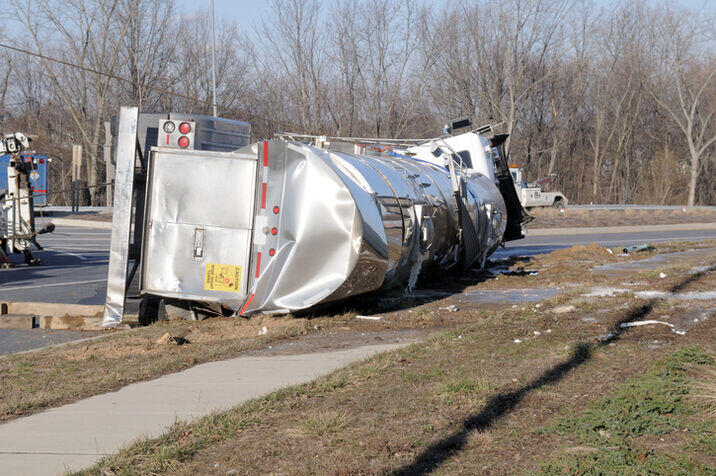
Fatigue Slows Reaction Time and Impairs Judgment
Driver fatigue affects commercial truck operators in ways similar to alcohol impairment. Exhausted drivers often experience slower reflexes, poor concentration, delayed decision-making, and reduced awareness of surrounding traffic conditions. Long overnight driving shifts and unrealistic delivery schedules may increase these risks significantly. Fatigued drivers may drift between lanes, miss traffic signals, or fail to brake in time during emergencies.
Truck drivers often face demanding schedules requiring long hours behind the wheel. Some may continue driving despite exhaustion because they fear losing income or missing delivery deadlines. Others may underestimate how dangerous fatigue becomes after extended periods without proper rest. Even experienced commercial drivers can lose focus when physical exhaustion begins affecting judgment and coordination.
Fatigue-related truck accidents often happen without obvious attempts to avoid the collision. Investigators sometimes find little braking or steering correction before impact because the driver reacted too slowly or briefly fell asleep. These crashes may occur during nighttime driving, early morning hours, or long-distance trips through Vermont highways. Driver exhaustion can create deadly consequences within seconds.
Federal Regulations Limit Truck Driver Hours
Federal trucking regulations place strict limits on how long commercial drivers may remain on the road without rest. These rules exist because fatigue has caused countless serious truck accidents nationwide. Commercial truck drivers must take mandatory breaks and follow maximum driving-hour limits designed to reduce exhaustion behind the wheel. Trucking companies must also monitor compliance with these safety rules carefully.
Electronic logging devices track driving hours and rest periods for many commercial trucking operations. These records often become critical evidence after fatigue-related truck accidents in Vermont. Investigators may compare driver logs with dispatch records, fuel receipts, toll records, and GPS data while determining whether the driver violated federal safety requirements. Evidence of falsified logs or ignored driving limits may strengthen legal claims substantially.
Several fatigue-related violations may contribute to truck accidents:
- Exceeding driving hour limits
- Skipping required rest breaks
- Falsifying driver logs
- Driving overnight without rest
- Ignoring fatigue complaints
Violations of these rules often become central evidence during truck accident investigations and litigation.
Trucking Companies May Share Responsibility
Truck drivers are not always the only parties responsible after fatigue-related crashes. Trucking companies may also face legal liability when unsafe business practices contribute to driver exhaustion. Some companies pressure drivers to meet unrealistic delivery schedules despite dangerous weather, fatigue, or mandatory rest requirements. These practices can create serious safety risks for everyone sharing Vermont roads.
Dispatchers and supervisors sometimes encourage drivers to continue operating despite exhaustion concerns. Companies may ignore repeated hours-of-service violations or fail to monitor electronic driving logs properly. Internal company communications often become important evidence during investigations involving driver fatigue. These records may reveal pressure placed on drivers before the collision occurred.
Trucking companies also have responsibilities to hire qualified drivers and supervise employees carefully. Failing to address prior fatigue violations or unsafe driving patterns may expose companies to additional legal claims after serious crashes. Corporate negligence often becomes a major issue when investigators uncover patterns of unsafe scheduling or ignored safety regulations within the company’s operations.
Fatigue-Related Truck Accidents Often Cause Severe Injuries
Commercial truck accidents involving fatigued drivers frequently result in catastrophic injuries because the collisions often occur at full speed. Drivers who fall asleep or lose concentration may never attempt to brake or avoid impact before crashing into nearby vehicles. The force generated by fully loaded commercial trucks can cause devastating physical trauma in seconds. Victims may face life-changing injuries requiring extensive medical treatment.
Truck accident victims often suffer traumatic brain injuries, spinal cord damage, fractures, internal bleeding, and long-term disabilities after fatigue-related crashes. Recovery may involve surgeries, physical therapy, rehabilitation programs, and ongoing medical care lasting months or years. Severe injuries may also prevent victims from returning to work or living independently after the collision. Financial pressure often grows quickly during this recovery process.
The Centers for Disease Control and Prevention explains the long-term effects traumatic injuries may create. Thorough medical documentation often becomes critical during truck accident claims involving permanent disabilities or long-term treatment needs. Strong evidence helps establish how the collision affected every part of the victim’s life.
Investigators Often Review Electronic Trucking Data
Truck accident investigations involving fatigue frequently focus on electronic evidence gathered from the commercial vehicle and trucking company records. Black box systems may record speed, braking activity, steering input, and throttle use before impact. Electronic logging devices track how long the driver remained on duty before the crash occurred. Investigators often compare this information against federal safety requirements while determining whether fatigue contributed to the collision.
Dispatch records and GPS tracking may also reveal unsafe driving schedules or pressure placed on the driver before the accident. Some trucking companies attempt to manipulate schedules or overlook violations to keep deliveries moving quickly. Investigators may examine phone records, communication logs, and company emails during the case. These records sometimes uncover patterns of unsafe company behavior tied directly to the crash.
Preserving electronic evidence quickly becomes extremely important after fatigue-related truck accidents. Some systems automatically overwrite data after continued vehicle operation. Trucking companies often begin internal investigations immediately after serious collisions as well. Early legal action may help protect valuable evidence before it disappears or becomes harder to access later.
Vermont Weather Conditions Can Increase Fatigue Risks
Driving through Vermont during winter months creates additional challenges for commercial truck drivers already struggling with exhaustion. Snow-covered roads, freezing rain, black ice, and reduced visibility require constant attention and slower reaction times. Fatigued drivers may struggle even more under these dangerous conditions. Long overnight trips through Burlington and nearby highways can quickly become hazardous when exhaustion combines with severe weather.
Commercial truck drivers must adjust their speed and driving behavior to match changing road conditions safely. Fatigue may reduce the ability to make these adjustments quickly enough during emergencies. Drivers experiencing exhaustion may misjudge stopping distances or fail to recognize developing hazards in time. Trucking companies that pressure drivers to continue despite dangerous weather conditions may increase these risks substantially.
Winter weather investigations often involve accident reconstruction experts reviewing braking patterns, road conditions, and vehicle speed before impact. Even when snow or ice contribute to the crash, fatigue may still play a major role in reducing the driver’s ability to respond safely. Thorough investigations often help separate unavoidable weather hazards from preventable driver exhaustion and unsafe trucking practices.
Insurance Companies Often Dispute Fatigue Claims
Commercial trucking insurers usually defend fatigue-related accident claims aggressively because severe injuries often involve substantial financial exposure. Insurance companies may argue that weather conditions, road hazards, or other drivers caused the crash instead of fatigue. They may also challenge whether the driver actually violated federal safety regulations before the collision occurred. These disputes often make truck accident claims more complicated and time-consuming.
Investigators may need to review thousands of pages of trucking records, electronic data, and company communications before proving fatigue contributed to the accident. Trucking companies sometimes deny knowledge of driver exhaustion or argue they followed all required safety procedures. Strong evidence often becomes critical during negotiations and litigation involving fatigue-related crashes.
Medical documentation, accident reconstruction analysis, witness testimony, and electronic driving data may all help support the victim’s case. The stronger the evidence becomes, the harder it may be for insurers to dispute liability unfairly. Careful investigation frequently makes a major difference when pursuing compensation after serious fatigue-related truck accidents in Vermont.
Legal Guidance Can Help Protect Your Rights After a Fatigue-Related Crash
Truck accidents caused by driver fatigue often involve complicated investigations, severe injuries, and aggressive insurance disputes. Federal safety violations, electronic driving records, and company scheduling practices may all become important parts of the case after a serious collision. Victims may face long recovery periods, mounting financial pressure, and uncertainty about the future while these investigations continue. Understanding how fatigue affects truck accident claims can help protect your legal rights during recovery.
At Horn Wright, LLP, our Vermont truck accident lawyers help victims investigate fatigue-related crashes and pursue compensation for serious injuries and financial losses. We understand how dangerous trucking company practices and exhausted drivers can place innocent people at risk across Vermont roads. Our team works to preserve evidence, uncover safety violations, and hold negligent companies accountable after catastrophic truck accidents. Having experienced legal guidance can help you focus on healing while we work to protect your future after a serious truck accident.

What Sets Us Apart From The Rest?
Horn Wright, LLP is here to help you get the results you need with a team you can trust.
-
Client-Focused ApproachWe’re a client-centered, results-oriented firm. When you work with us, you can have confidence we’ll put your best interests at the forefront of your case – it’s that simple.
-
Creative & Innovative Solutions
No two cases are the same, and neither are their solutions. Our attorneys provide creative points of view to yield exemplary results.
-
Experienced Attorneys
We have a team of trusted and respected attorneys to ensure your case is matched with the best attorney possible.
-
Driven By Justice
The core of our legal practice is our commitment to obtaining justice for those who have been wronged and need a powerful voice.