


Can a Truck Maintenance Company Be Liable After a Crash in Burlington, VT?
Poor Truck Maintenance Can Lead to Serious Accidents
Commercial trucks travel thousands of miles through Vermont roads every week. Because of their size and constant use, these vehicles require regular inspections, repairs, and maintenance to operate safely. When maintenance work gets ignored or performed carelessly, the consequences can become catastrophic. Brake failures, tire blowouts, steering defects, and mechanical breakdowns may all contribute to devastating truck accidents across Burlington and nearby highways.
At Horn Wright, LLP, our Vermont truck accident lawyers help victims investigate whether poor maintenance or negligent repairs contributed to serious commercial vehicle crashes. We work to preserve evidence, review maintenance histories, and identify every party that may share legal responsibility after a collision. Understanding when a maintenance company may become liable can help protect your legal rights after a truck accident.
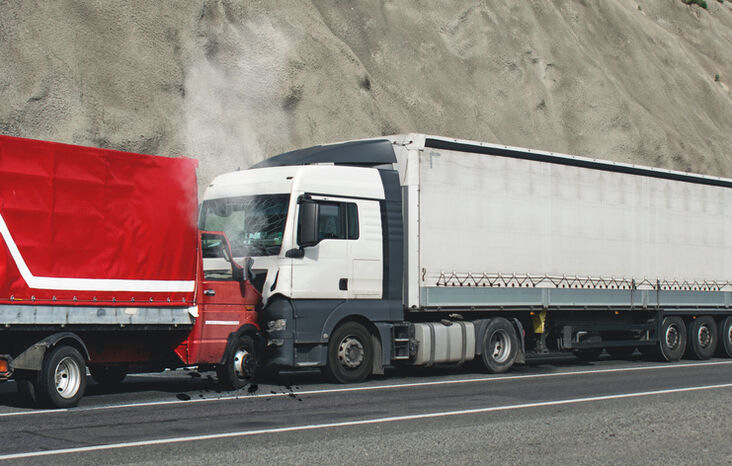
Commercial Trucks Require Constant Safety Inspections
Commercial trucks operate under heavy strain every day. Long-distance travel, heavy cargo loads, steep terrain, and harsh Vermont winters all place major stress on brakes, tires, steering systems, and suspension components. Federal regulations require trucking companies and maintenance providers to inspect commercial vehicles regularly to reduce the risk of dangerous mechanical failures. These inspections help identify safety problems before they cause serious accidents.
Brake systems represent one of the most critical safety components on any commercial truck. Worn brake pads, leaking air brake systems, or damaged components may prevent the driver from stopping safely during emergencies. Tire conditions also become extremely important because blowouts at highway speeds can cause catastrophic loss of control. Steering and suspension problems may create rollover risks or dangerous handling issues during sharp turns and sudden lane changes.
Maintenance companies responsible for inspecting and repairing these systems must perform their work carefully and professionally. Missing obvious safety hazards or using defective replacement parts may expose repair shops to legal liability later. Truck accident investigations often focus heavily on inspection histories and maintenance records when mechanical failures contribute to the collision. Thorough documentation frequently becomes critical evidence during these cases.
Negligent Repairs May Create Dangerous Conditions
Truck maintenance companies may become liable when careless repair work contributes directly to an accident. Improper brake repairs, faulty tire installations, loose steering components, or defective electrical work can create dangerous vehicle conditions once the truck returns to the road. Commercial trucks carrying heavy freight through Burlington and nearby Vermont highways depend heavily on reliable mechanical systems. Poor repair work may place everyone nearby at serious risk.
Some repair shops rush maintenance work to return trucks to service quickly. Others may overlook safety concerns or fail to complete full inspections before approving vehicles for operation. Mechanics may use incorrect replacement parts or skip important testing procedures after repairs. These shortcuts sometimes lead to catastrophic equipment failures during normal driving conditions.
Investigators often examine maintenance invoices, inspection checklists, repair records, and mechanic notes while evaluating these claims. Several maintenance failures may contribute to truck accidents:
- Improper brake repairs
- Tire installation errors
- Missed safety inspections
- Faulty steering repairs
- Defective replacement parts
Strong evidence connecting negligent repairs to the crash may help establish legal responsibility against the maintenance company after a serious accident.
Trucking Companies Often Outsource Maintenance Work
Many commercial trucking companies rely on outside maintenance providers instead of handling repairs internally. Fleet maintenance contractors, truck dealerships, repair shops, and inspection companies may all service commercial vehicles operating throughout Vermont. Outsourcing maintenance responsibilities does not eliminate the need for safe inspections and repairs. Third-party maintenance companies still owe duties to the public when servicing large commercial trucks.
Truck maintenance providers often handle routine inspections required under federal trucking regulations. These inspections may involve brakes, tires, lighting systems, steering components, and trailer equipment. Repair shops may also address mechanical issues identified during roadside inspections or driver reports. Failing to identify dangerous problems during these inspections may create liability if a preventable crash occurs later.
Trucking companies and maintenance providers sometimes dispute responsibility after accidents involving mechanical failures. Each side may blame the other for missing repair issues or failing to remove unsafe vehicles from service. Investigators frequently review contracts, service records, and inspection procedures while determining who controlled maintenance decisions before the crash occurred. Careful investigation often helps clarify each company’s role.
Federal Regulations Govern Commercial Truck Maintenance
Commercial truck maintenance falls under strict federal safety regulations designed to reduce mechanical failures and dangerous equipment problems. Trucking companies and maintenance providers must follow detailed inspection and repair standards for commercial vehicles operating across the country. Violations of these regulations often become important evidence after serious truck accidents involving equipment failures. These rules exist because mechanical breakdowns can create devastating public safety risks.
Federal regulations require regular inspections of brakes, tires, lights, steering systems, and other critical safety equipment. Maintenance providers must document repairs and inspections carefully to demonstrate compliance with safety standards. Drivers must also report equipment problems discovered during vehicle inspections before trips begin. Failing to address known mechanical issues may expose both trucking companies and maintenance contractors to legal claims.
Investigators often review maintenance histories and regulatory compliance records while determining whether safety violations contributed to the crash. Strong evidence of ignored maintenance issues may significantly strengthen negligence claims.
Mechanical Failures Often Cause Catastrophic Injuries
Truck accidents involving mechanical failures frequently result in severe injuries because commercial vehicles carry enormous size and weight. Brake failures may prevent trucks from stopping during traffic slowdowns, leading to high-speed rear-end collisions. Tire blowouts may cause trucks to cross multiple lanes or overturn during highway travel. Steering failures may leave drivers unable to avoid nearby vehicles or roadside obstacles during emergencies.
Victims of these crashes often suffer traumatic brain injuries, spinal cord damage, fractures, internal bleeding, and long-term disabilities. Recovery may involve surgeries, physical therapy, rehabilitation programs, and ongoing pain management lasting months or years. Serious truck accident injuries may affect employment, mobility, emotional health, and financial stability long after the collision itself ends. These damages often become substantial during litigation.
Identifying every responsible party becomes extremely important when victims face extensive medical treatment and major financial hardship after catastrophic truck accidents involving equipment failures.
Evidence Often Determines Maintenance Company Liability
Truck accident investigations involving maintenance failures depend heavily on technical evidence and detailed records. Investigators may examine damaged vehicle parts, maintenance invoices, inspection logs, repair histories, and mechanic notes while determining what caused the mechanical failure. Accident reconstruction experts sometimes evaluate brake systems, tire conditions, and steering components after the crash. Preserving this evidence early often becomes critical because repairs or salvage operations may destroy important details later.
Black box data may also help reveal how the truck performed immediately before the collision. Sudden braking failures, steering problems, or speed irregularities sometimes appear within electronic vehicle data. Witnesses may report seeing smoke, sparks, tire blowouts, or other signs of mechanical trouble before impact occurred. Investigators frequently combine these details with maintenance histories while building the case.
Winter driving conditions throughout Vermont can worsen the dangers created by poor maintenance. Snow, black ice, and freezing temperatures place additional stress on brakes, tires, and steering systems during daily trucking operations near Burlington roads. Even under difficult weather conditions, maintenance companies must still ensure commercial trucks remain safe to operate. Strong evidence often helps separate weather-related issues from preventable maintenance failures during litigation.
Multiple Parties May Share Responsibility for the Crash
Truck accident claims involving mechanical failures often include several potentially liable parties. The truck driver, trucking company, maintenance provider, parts manufacturer, or inspection company may all contribute to unsafe conditions before the crash occurs. Determining responsibility usually requires careful review of maintenance records, repair procedures, inspection reports, and federal compliance documentation. These cases often become technically complicated very quickly.
Maintenance companies sometimes argue that trucking companies ignored repair recommendations or continued operating unsafe vehicles despite known problems. Trucking companies may claim the repair shop performed defective work or failed to identify safety issues during inspections. Manufacturers may become involved if defective replacement parts contributed to the mechanical failure. Thorough investigation often becomes necessary to identify how each party contributed to the accident.
Commercial truck accident claims frequently involve large insurance policies because catastrophic injuries often result from these collisions. Identifying every responsible party may increase the financial resources available to injured victims dealing with long-term medical care and financial losses. Strong evidence often helps establish how negligent maintenance contributed to the crash and who should share liability for the resulting damages.
Legal Guidance Can Help Investigate Maintenance Failures
Truck maintenance companies may become legally responsible when poor inspections, negligent repairs, or unsafe maintenance practices contribute to serious accidents in Burlington and throughout Vermont.
Mechanical failures involving brakes, tires, steering systems, or other critical components can create catastrophic crashes leading to severe injuries and lasting financial hardship. These cases often involve technical evidence, federal regulations, and multiple companies disputing responsibility after the collision. Careful investigation usually becomes essential when mechanical defects contribute to truck accidents.
At Horn Wright, LLP, our Vermont truck accident attorneys help victims investigate maintenance failures and pursue compensation from every party that may share responsibility for the crash. We understand how aggressively trucking companies, repair contractors, and insurers defend these claims after serious accidents.
Our team works to preserve maintenance records, review inspection histories, and build strong cases designed to protect our clients’ futures. Having experienced legal guidance can help you focus on recovery while we work to protect your rights after a serious truck accident.

What Sets Us Apart From The Rest?
Horn Wright, LLP is here to help you get the results you need with a team you can trust.
-
Client-Focused ApproachWe’re a client-centered, results-oriented firm. When you work with us, you can have confidence we’ll put your best interests at the forefront of your case – it’s that simple.
-
Creative & Innovative Solutions
No two cases are the same, and neither are their solutions. Our attorneys provide creative points of view to yield exemplary results.
-
Experienced Attorneys
We have a team of trusted and respected attorneys to ensure your case is matched with the best attorney possible.
-
Driven By Justice
The core of our legal practice is our commitment to obtaining justice for those who have been wronged and need a powerful voice.