


Can I Still Recover Compensation If I Was Partly at Fault for a Truck Accident in Vermont?
Shared Fault Does Not Always Prevent Financial Recovery
Truck accidents often leave people questioning every decision they made before the crash. After a serious collision in Vermont, injured drivers sometimes worry that one mistake behind the wheel means they cannot recover compensation at all. Insurance companies frequently take advantage of those fears during settlement negotiations. They may quickly argue that the injured person shares responsibility for the accident in order to reduce payouts.
At Horn Wright, LLP, our Burlington truck accident attorneys help victims understand how shared fault laws may affect compensation after serious crashes. We work to investigate accidents thoroughly while protecting clients from unfair blame tactics used by insurance companies. If your case also involves reckless conduct or broader legal concerns, our civil rights attorneys may help evaluate additional legal claims connected to the collision. Understanding how Vermont comparative negligence rules work may help you protect your legal rights after a truck accident.
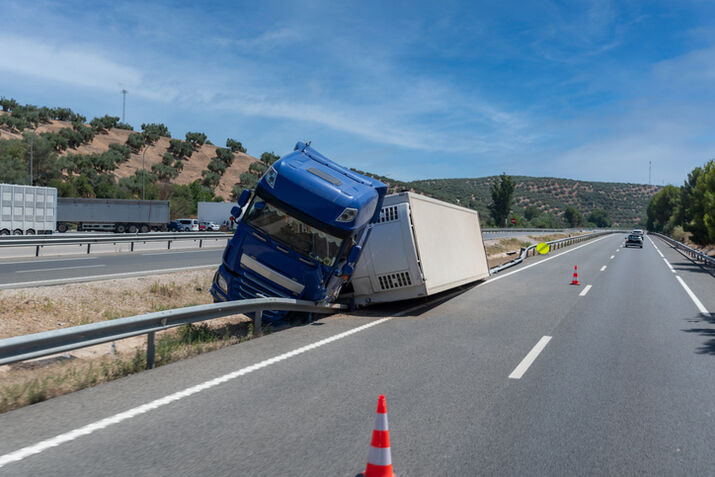
Vermont Uses a Modified Comparative Negligence Rule
Vermont follows a legal rule called modified comparative negligence in personal injury cases, including truck accidents. Under this system, injured people may still recover compensation even if they share part of the blame for the collision. However, the amount recovered may decrease based on the percentage of fault assigned to them. This rule often becomes one of the most important issues during truck accident negotiations.
For example, a driver injured in a truck accident may receive compensation even if investigators determine they were partially responsible for the crash. If the injured driver receives 20 percent of the blame, their total compensation may decrease by that percentage. A $100,000 settlement could become $80,000 after the fault reduction gets applied. These calculations can significantly affect financial recovery after severe injuries.
Vermont law also places limits on recovery in shared fault cases. Injured victims generally cannot recover compensation if they hold more than half the responsibility for the collision. Insurance companies understand this rule very well and often use it aggressively during negotiations. Strong evidence becomes critical when fault percentages remain disputed after a truck accident.
Insurance Companies Often Try to Shift Blame
Trucking companies and insurers frequently attempt to place blame on injured drivers after serious accidents. They know that increasing a victim’s percentage of fault may reduce the amount they ultimately pay. Insurance adjusters may argue that the injured driver was speeding, distracted, following too closely, or reacting improperly before the crash occurred. These arguments often begin very early during the claims process.
Truck accident investigations usually involve large financial exposure because commercial vehicles can cause catastrophic injuries. Insurers may review medical records, witness statements, electronic data, and even social media activity while searching for evidence supporting shared fault claims. Injured victims sometimes feel pressured to accept blame before the investigation fully develops. That pressure can create major problems during settlement negotiations later.
Commercial trucking insurers often rely on complex investigations involving accident reconstruction experts and defense teams. They may attempt to use road conditions or weather as excuses to reduce liability for the truck driver’s actions. Vermont winters frequently create difficult driving conditions involving snow, ice, and reduced visibility across Burlington roadways. Even under dangerous conditions, truck drivers still have legal responsibilities to operate safely and adjust their driving appropriately.
Evidence Plays a Major Role in Shared Fault Cases
Strong evidence often determines how fault gets divided after a truck accident in Vermont. Insurance companies and courts review available facts carefully while deciding each party’s level of responsibility for the collision. Physical evidence, electronic trucking data, witness statements, and police reports may all influence these decisions significantly. Preserving evidence early becomes extremely important in shared fault cases.
Black box data from commercial trucks may reveal speed, braking patterns, steering movements, and driver reactions before impact. Driver logbooks sometimes expose fatigue violations or missed rest breaks tied to federal safety rules. Witnesses may describe dangerous truck driver behavior that contributed directly to the crash. These details often help injured victims challenge unfair fault accusations raised by insurers.
Several types of evidence may help reduce blame placed on the injured driver:
- Police reports
- Witness statements
- Black box data
- Dash camera footage
- Medical records
The stronger the evidence becomes, the harder it is for insurance companies to exaggerate the injured person’s responsibility unfairly. Thorough investigations often uncover important facts that change how fault gets evaluated later.
Truck Drivers Still Have Duties Under Federal Safety Rules
Commercial truck drivers must follow strict federal safety regulations every time they operate large commercial vehicles. These rules cover driving hours, inspection schedules, cargo loading, vehicle maintenance, and driver qualifications. Violations of these regulations often become powerful evidence during Vermont truck accident cases. Even when another driver may share some fault, trucking safety violations can still establish major liability against the truck driver or company.
Fatigue remains one of the most serious concerns in commercial trucking accidents. Drivers who exceed legal driving limits may suffer slower reaction times and impaired judgment behind the wheel. Trucking companies sometimes pressure drivers to meet unrealistic delivery schedules despite safety risks. Investigators frequently review electronic logging devices and dispatch records while examining whether federal violations contributed to the crash.
The Federal Motor Carrier Safety Administration outlines commercial trucking safety requirements. Violations of these regulations may strengthen compensation claims even when fault remains disputed. Strong legal analysis often helps identify safety failures hidden within trucking company records after serious accidents across Vermont.
Medical Records Help Support Compensation Claims
Medical evidence often becomes extremely important when shared fault disputes arise after truck accidents. Insurance companies may argue that injuries are exaggerated or unrelated to the collision itself. Prompt and consistent medical treatment helps establish a stronger connection between the crash and the victim’s injuries. Thorough documentation often strengthens compensation claims during negotiations or litigation.
Truck accident injuries frequently involve long recovery periods and significant physical limitations. Victims may require surgery, rehabilitation, physical therapy, or ongoing pain management after serious collisions in Burlington. Medical records help show how the accident affected mobility, work ability, and daily life over time. Those records may also support claims involving future treatment costs and long-term disability.
Doctors may document both physical injuries and emotional effects tied to the collision. Anxiety, sleep problems, and trauma symptoms sometimes continue long after visible injuries begin healing. The Centers for Disease Control and Prevention explains the lasting impact traumatic injuries. Strong medical evidence often helps injured people recover compensation even when insurers attempt to shift partial blame onto them.
Social Media and Statements May Affect Fault Decisions
Insurance companies often search for statements or online activity they believe support shared fault arguments. Social media posts, photos, comments, or videos may get reviewed closely after serious truck accident claims get filed. Even harmless content sometimes becomes distorted during negotiations or litigation. Injured victims should remain careful about discussing the accident publicly while the case remains active.
Statements made at the accident scene may also affect fault evaluations later. Drivers sometimes apologize instinctively after collisions even when they did not actually cause the crash. Insurance companies may later use those comments as evidence during settlement disputes. Staying calm and avoiding unnecessary discussions about fault can help protect your legal position after the accident.
Recorded insurance statements also create risks during the claims process. Adjusters often ask confusing or repetitive questions while searching for inconsistent answers that support shared fault claims. Injured victims should avoid guessing about details or minimizing injuries during these conversations. Careful communication often becomes extremely important in truck accident cases involving disputed liability.
Compensation May Still Cover Serious Financial Losses
Even when shared fault reduces compensation, injured victims may still recover substantial damages after Vermont truck accidents. Medical expenses, lost wages, rehabilitation costs, and pain and suffering may all remain recoverable depending on the percentage of fault assigned. Serious truck accident injuries often create enormous financial pressure for families already struggling through recovery. Partial fault does not automatically erase those damages.
Truck accident claims involving catastrophic injuries may still involve significant compensation even after fault reductions apply. Someone facing permanent disability, chronic pain, or long-term work limitations may require financial support for years after the crash. Careful case preparation often helps reduce unfair blame assignments during settlement negotiations. Strong evidence may preserve a much larger portion of the available compensation.
Insurance companies understand how stressful financial uncertainty becomes after severe truck accidents. They sometimes pressure injured people into accepting reduced settlements quickly before full investigations finish. Patience and careful legal review often help victims understand what their case may truly be worth under Vermont law. Shared fault arguments should not discourage injured people from exploring their legal options fully.
Legal Guidance Can Help Protect Your Right to Compensation
Truck accident claims involving shared fault often become legally and emotionally complicated very quickly. Injured people may already feel overwhelmed by medical treatment, missed work, and financial pressure before insurance companies begin disputing liability. Vermont comparative negligence rules can affect settlement value significantly depending on how fault gets assigned. Strong evidence and careful legal strategy often make a major difference in these cases.
At Horn Wright, LLP, our Vermont truck accident lawyers help victims challenge unfair blame tactics and pursue compensation for their injuries and financial losses throughout Vermont. We understand how aggressively trucking companies and insurers defend these claims after serious collisions. Our team works to preserve evidence, investigate safety violations, and protect our clients’ legal rights during every stage of the case. Having experienced legal guidance can help you focus on healing while we work to protect your future after a truck accident.

What Sets Us Apart From The Rest?
Horn Wright, LLP is here to help you get the results you need with a team you can trust.
-
Client-Focused ApproachWe’re a client-centered, results-oriented firm. When you work with us, you can have confidence we’ll put your best interests at the forefront of your case – it’s that simple.
-
Creative & Innovative Solutions
No two cases are the same, and neither are their solutions. Our attorneys provide creative points of view to yield exemplary results.
-
Experienced Attorneys
We have a team of trusted and respected attorneys to ensure your case is matched with the best attorney possible.
-
Driven By Justice
The core of our legal practice is our commitment to obtaining justice for those who have been wronged and need a powerful voice.