


Can I Recover Lost Wages After a Truck Accident in Vermont?
Financial Recovery After a Serious Truck Accident
A truck accident can interrupt your income almost immediately. One collision on Interstate 89 or another Vermont roadway may leave you unable to work for weeks, months, or even permanently. Medical treatment, physical pain, and emotional stress often make returning to work impossible during recovery. Many injured people begin worrying about missed paychecks long before settlement negotiations even begin.
Truck accident injuries tend to be severe because commercial vehicles create enormous impact force during collisions. Victims may suffer spinal injuries, fractures, traumatic brain injuries, or chronic pain that interferes with daily responsibilities and career demands. Financial pressure grows quickly when medical bills continue arriving while paychecks stop. Families across Vermont often struggle to balance recovery with growing economic uncertainty after serious truck crashes.
At Horn Wright, LLP, our Vermont truck accident attorneys help injured people pursue compensation for lost income and future financial losses after truck accidents throughout Vermont. We understand how stressful recovery becomes when injuries affect your ability to support yourself or your family. If your case also involves reckless conduct or broader legal concerns, our civil rights attorneys may help evaluate additional claims connected to the accident.
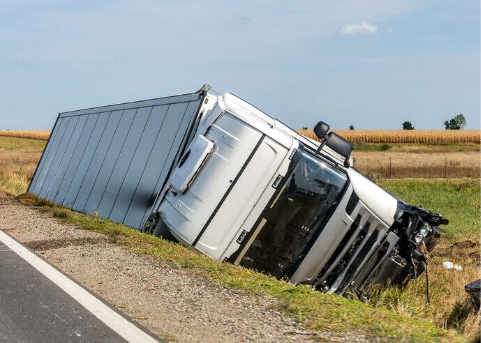
Lost Wages Often Become a Major Part of the Claim
Lost wages frequently represent one of the largest financial damages in a truck accident case. Many injured people cannot return to work immediately because of surgeries, rehabilitation, or physical limitations caused by the crash. Some workers lose weeks of income while recovering from fractures or back injuries. Others face permanent disabilities that change their careers completely.
Vermont law may allow injured victims to recover income lost because of another party’s negligence. Compensation can include missed hourly wages, salary reductions, overtime losses, and even missed bonuses tied directly to the injury. Truck accident claims often involve larger financial losses because recovery periods tend to be longer than ordinary car accidents. Severe injuries may prevent people from performing physical labor, driving, or managing demanding schedules.
Insurance companies usually review employment records carefully during these cases. They often request pay stubs, tax returns, employer statements, and medical documentation linking the injuries to work restrictions. Strong evidence helps show how the truck accident directly affected your ability to earn income. Organized financial records often strengthen negotiations involving lost wage claims.
Medical Evidence Helps Support Lost Income Claims
Medical documentation plays a major role in recovering lost wages after a truck accident. Doctors must often confirm that the injuries prevented the victim from working safely during recovery. Treatment records, surgical reports, physical therapy notes, and work restriction letters help establish the connection between the injury and the missed income. Without strong medical support, insurers may challenge the claim aggressively.
Truck accident injuries sometimes create temporary restrictions instead of complete inability to work. Someone may return to work part-time while recovering from surgery or physical therapy. Others may require modified duties because lifting, driving, or standing becomes difficult after the collision. Those limitations may still support claims for partial wage losses under Vermont law.
Medical providers may also evaluate long-term disability risks tied to serious injuries. Spinal injuries, traumatic brain injuries, and chronic pain conditions often affect future work ability long after initial treatment ends. The Centers for Disease Control and Prevention explains how traumatic injuries may create lasting physical limitations. Detailed medical evaluations often become critical when calculating future lost income after severe truck accidents.
Future Earning Capacity May Also Be Recoverable
Some truck accident victims cannot return to the same type of work they performed before the collision. Physical injuries may prevent construction workers, delivery drivers, healthcare workers, or tradespeople from handling demanding tasks safely again. Even office workers may struggle with chronic pain, concentration problems, or mobility limitations tied to serious injuries. Those long-term career effects can significantly increase the value of a truck accident claim.
Future earning capacity refers to income losses expected to continue after the immediate recovery period ends. These damages focus on how the injury affects future employment opportunities, promotions, raises, and retirement planning. Someone forced into lower-paying work because of permanent physical restrictions may recover compensation for that reduced earning potential. Truck accident settlements often account for these future financial consequences carefully.
Economic experts sometimes help calculate projected future income losses during litigation or settlement negotiations. They may review employment history, education, age, and expected career growth while estimating long-term losses tied to the injuries. Insurance companies frequently challenge these projections because they can increase settlement demands substantially. Strong evidence and expert analysis usually help support future earning claims more effectively.
Self-Employed Workers Face Unique Challenges
Self-employed workers often face additional difficulties when proving lost wages after a truck accident. Contractors, business owners, freelancers, and gig workers may not receive predictable paychecks like traditional employees. Income may vary month to month depending on client demand, seasonal work, or project schedules. Insurance companies sometimes use that inconsistency to dispute financial losses aggressively.
Detailed business records become extremely important in these cases. Tax returns, invoices, contracts, profit statements, and client communications may help establish lost income tied to the accident. Self-employed workers may also lose business opportunities while recovering from serious injuries after a Vermont truck crash. Those missed opportunities can affect future revenue long after the collision itself ends.
Several factors may help support self-employment income claims:
- Prior tax returns
- Business profit records
- Client invoices
- Missed contracts
- Medical work restrictions
Strong documentation helps demonstrate how the injury interrupted normal business operations. Clear financial records often reduce disputes during settlement negotiations involving self-employed victims.
Insurance Companies Often Challenge Lost Wage Claims
Insurance companies rarely accept lost wage claims without scrutiny. Trucking insurers often look for reasons to reduce payouts because commercial truck accident cases may involve substantial financial exposure. Adjusters may argue that injuries were not severe enough to prevent work or claim that missed income relates to unrelated economic factors. Those disputes can create major frustration for injured victims already facing financial pressure.
Insurers sometimes monitor medical treatment timelines closely while evaluating wage losses. Gaps in care or inconsistent work restrictions may give adjusters opportunities to challenge the seriousness of the injuries involved. They may also request extensive employment records to review attendance history, previous injuries, or earnings trends before the crash occurred. Strong organization becomes important throughout this process.
Truck accident claims often involve larger commercial insurance policies because federal law requires significant coverage for many trucking operations. The Federal Motor Carrier Safety Administration outlines commercial trucking safety regulations . Even with large policies available, insurers still work aggressively to limit financial payouts whenever possible. Careful preparation usually strengthens negotiations involving lost income claims.
Workers’ Compensation May Affect Wage Recovery
Some truck accident victims suffer injuries while performing job-related duties at the time of the collision. Delivery drivers, utility workers, construction employees, and traveling professionals may qualify for workers’ compensation benefits after workplace truck accidents. Workers’ compensation may provide partial wage replacement and medical coverage regardless of fault. Those benefits often begin earlier than personal injury settlements against trucking companies.
Workers’ compensation insurers may later seek reimbursement from truck accident settlements in some cases. Understanding how these systems interact becomes important before finalizing any agreement with insurers or trucking companies. The Vermont Department of Labor explains workers’ compensation benefits and procedures. Careful legal analysis often helps injured workers protect both wage benefits and future financial recovery.
Strong Documentation Can Protect Your Financial Recovery
Keeping organized records after a truck accident can make a major difference during lost wage negotiations. Pay stubs, tax documents, employer communications, disability notes, and medical restrictions all help support financial claims tied to the injury. Missing records sometimes create opportunities for insurers to question the extent of wage losses. Consistent documentation helps establish a clearer picture of how the crash affected your income.
Victims should also track missed workdays, reduced hours, canceled projects, and any changes in job responsibilities caused by their injuries. Even temporary restrictions may create financial consequences worth documenting carefully. Self-employed individuals should maintain copies of canceled contracts or lost client opportunities whenever possible. Detailed records often improve settlement discussions involving future earning losses as well.
Truck accident recovery already creates enough emotional and physical stress without financial confusion making things worse. Organized documentation helps injured people feel more prepared while negotiations continue with insurers and trucking companies. Careful planning may also reduce disputes later if litigation becomes necessary. Strong evidence usually creates stronger financial recovery opportunities after serious Vermont truck accidents.
Speak With a Vermont Truck Accident Lawyer About Lost Wage Claims
Losing income after a truck accident can create immediate pressure for injured families across Vermont. Medical treatment, household expenses, and missed paychecks often combine into overwhelming financial stress during recovery. Lost wage claims may involve medical evidence, employment records, future earning projections, and insurance disputes that quickly become difficult to manage alone. Understanding your rights early can help protect your long-term financial stability.
At Horn Wright, LLP, our Vermont truck accident lawyers help victims pursue compensation for lost wages, reduced earning capacity, and other financial losses tied to serious injuries. We understand how disruptive these accidents become when recovery prevents people from returning to work normally. Our team works to preserve evidence, calculate financial damages, and negotiate directly with trucking companies and insurers throughout the legal process. Having experienced legal guidance can help you focus on healing while we work to protect your financial future and legal rights.

What Sets Us Apart From The Rest?
Horn Wright, LLP is here to help you get the results you need with a team you can trust.
-
Client-Focused ApproachWe’re a client-centered, results-oriented firm. When you work with us, you can have confidence we’ll put your best interests at the forefront of your case – it’s that simple.
-
Creative & Innovative Solutions
No two cases are the same, and neither are their solutions. Our attorneys provide creative points of view to yield exemplary results.
-
Experienced Attorneys
We have a team of trusted and respected attorneys to ensure your case is matched with the best attorney possible.
-
Driven By Justice
The core of our legal practice is our commitment to obtaining justice for those who have been wronged and need a powerful voice.