


Who Is Responsible for a Truck Accident Caused by Falling Cargo in Burlington, VT?
Falling Cargo Can Create Deadly Highway Accidents
A truck carrying unsecured cargo can become extremely dangerous within seconds. When freight falls from a commercial truck onto the roadway, nearby drivers may have little time to react safely. Loose cargo may strike vehicles directly, force drivers into sudden evasive maneuvers, or trigger multi-vehicle collisions across busy highways. These accidents often leave victims dealing with severe injuries, emotional trauma, and major financial stress after the crash.
Commercial trucks regularly transport construction materials, machinery, lumber, packaged freight, and hazardous cargo through Burlington and surrounding Vermont highways. Every load must remain balanced and properly secured during transport to prevent shifting or falling debris. If cargo breaks loose during travel, the consequences can become catastrophic for surrounding traffic. Drivers and trucking companies have legal responsibilities to prevent these dangerous situations from happening.
At Horn Wright, LLP, our Vermont truck accident attorneys help victims investigate crashes caused by falling cargo and unsafe freight handling practices. We work to preserve evidence, uncover safety violations, and identify every party that may share responsibility for the collision. Understanding who may be responsible after a falling cargo accident can help protect your legal rights during recovery.
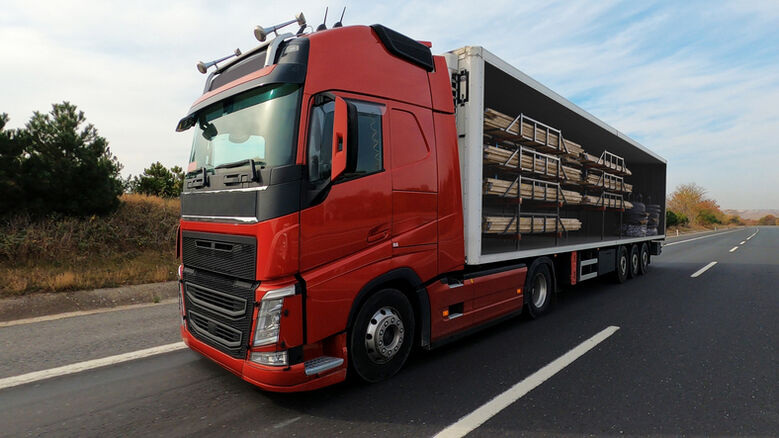
Truck Drivers May Be Liable for Unsafe Cargo Inspections
Truck drivers play an important role in cargo safety before and during every trip. Commercial drivers must inspect their loads carefully and confirm cargo remains secure before operating on Vermont roads. Drivers who ignore visible safety problems or fail to conduct proper inspections may become legally responsible if cargo falls from the truck during transport. These duties exist because unsecured freight creates major dangers for nearby drivers.
Truck drivers must monitor cargo conditions throughout the trip, especially after sudden braking, rough road conditions, or severe weather. Cargo straps, chains, and tie-down systems may loosen during transport if not checked regularly. Drivers who continue operating despite visible load problems may increase the risk of serious accidents near Burlington highways and Interstate 89. Unsafe driving behaviors such as speeding or abrupt lane changes may also destabilize cargo unexpectedly.
Investigators often review driver inspection logs, roadside inspection reports, and witness testimony while determining whether the driver followed proper safety procedures. Drivers who violate federal cargo securement rules may face significant liability after a crash caused by falling freight. Strong evidence of ignored cargo problems often strengthens injury claims substantially.
Trucking Companies May Also Share Responsibility
Trucking companies frequently share liability after accidents caused by falling cargo. Commercial carriers must enforce proper loading procedures, train drivers on cargo safety requirements, and maintain equipment designed to secure freight safely during transport. Companies that prioritize delivery speed or profit over safety may create dangerous conditions long before the truck reaches the road. Corporate negligence often becomes an important issue during these investigations.
Some trucking companies pressure drivers to leave loading facilities quickly without completing full cargo inspections. Others fail to provide adequate training regarding weight distribution, tie-down procedures, or cargo securement regulations. These unsafe operational practices may increase the risk of falling cargo accidents significantly throughout Vermont highways. Internal company policies and dispatch records often become important evidence during litigation.
Trucking companies may also become responsible for failing to maintain cargo securement equipment properly. Worn straps, damaged chains, broken trailer components, or missing tie-down hardware may allow cargo to shift or fall during transport. Companies responsible for maintaining these systems must ensure equipment remains safe and compliant with federal regulations at all times.
Cargo Loading Companies May Be Liable
Cargo loading companies and warehouse operators often play major roles in truck accident claims involving falling freight. Businesses responsible for loading commercial trailers must follow strict safety procedures regarding weight distribution and cargo securement. Improperly loaded cargo may shift during transport or break free entirely if loading crews fail to secure the freight correctly. These dangerous conditions frequently contribute directly to highway accidents.
Uneven weight distribution may destabilize trailers during turns, lane changes, or sudden braking situations. Cargo stacked improperly may collapse or slide during normal travel, creating roadway hazards for nearby drivers. Loading companies handling oversized materials or hazardous freight must follow even stricter safety requirements to reduce accident risks. Ignoring these responsibilities may expose loading businesses to significant legal liability after serious collisions.
Several loading failures may contribute to falling cargo accidents:
- Improper tie-down methods
- Uneven weight distribution
- Overloaded trailers
- Unsecured freight
- Damaged cargo restraints
Investigators frequently review shipping records, warehouse procedures, and loading documentation while determining whether unsafe cargo handling contributed to the crash. Strong evidence of loading violations may significantly strengthen injury claims.
Federal Regulations Govern Cargo Securement
Commercial cargo securement falls under detailed federal safety regulations designed to prevent freight from falling onto roadways during transport. Truck drivers, trucking companies, and loading businesses must all follow these rules carefully when transporting cargo through Vermont and across the country. Violations of federal cargo securement regulations often become powerful evidence during truck accident litigation involving falling freight.
Federal regulations establish specific requirements for tie-down systems, cargo weight limits, inspection procedures, and securement methods depending on the type of freight involved. Different cargo types require different restraint systems to prevent shifting or detachment during transport. Companies transporting construction equipment, lumber, steel, or hazardous materials must follow especially strict rules because unsecured cargo may create catastrophic dangers on busy highways.
Investigators often examine whether the truck driver, loading company, or trucking business violated these safety standards before the collision occurred. Evidence of regulatory violations frequently strengthens negligence claims after falling cargo accidents.
Poor Maintenance May Contribute to Falling Cargo
Mechanical failures involving trailers and cargo securement systems may also contribute to falling cargo truck accidents. Cargo straps, trailer walls, chains, locking mechanisms, and tie-down anchors require regular inspection and maintenance because worn equipment may fail unexpectedly during transport. Trucking companies and maintenance contractors responsible for these systems may share liability if defective equipment contributed to the crash.
Broken trailer doors or damaged cargo restraints may allow freight to spill directly into traffic lanes. Corroded tie-down anchors or worn straps may snap during highway travel, especially when hauling heavy cargo across rough Vermont roads. Maintenance providers responsible for inspecting these systems must identify dangerous defects before the truck returns to service. Ignoring visible wear or delaying repairs may create substantial safety risks for surrounding traffic.
Truck accident investigations often focus heavily on maintenance records, inspection histories, and repair documentation following falling cargo collisions. Investigators may examine whether companies ignored known equipment problems or continued operating unsafe trailers despite obvious hazards. Strong evidence of neglected maintenance frequently becomes important during litigation involving severe truck accident injuries.
Falling Cargo Accidents Often Cause Catastrophic Injuries
Truck accidents caused by falling cargo frequently result in devastating injuries because nearby drivers may have little opportunity to avoid impact. Large objects falling from moving trailers may strike windshields directly or crush smaller vehicles instantly. Drivers forced into sudden evasive maneuvers may collide with guardrails, nearby traffic, or roadside obstacles while attempting to avoid debris. Multi-vehicle chain-reaction crashes often follow these dangerous situations.
Victims commonly suffer traumatic brain injuries, spinal cord damage, fractures, internal bleeding, and permanent disabilities after falling cargo accidents. Emergency surgeries, rehabilitation programs, physical therapy, and ongoing medical care may continue for months or years following the collision. Serious injuries often affect employment, financial stability, and daily independence long after the crash itself ends. Families frequently experience major emotional and financial hardship throughout the recovery process.
Thorough medical documentation often becomes critical when pursuing compensation for future treatment needs and long-term disabilities after catastrophic truck accidents involving falling cargo.
Multiple Parties May Share Liability
Falling cargo truck accidents often involve several potentially liable parties rather than only one defendant. The truck driver, trucking company, cargo loading business, maintenance contractor, or equipment manufacturer may all contribute to unsafe conditions before the crash occurs. Determining fault usually requires careful review of loading procedures, inspection records, cargo securement systems, and federal safety compliance. These investigations often become highly technical and legally complicated.
Commercial trucking insurers frequently defend falling cargo claims aggressively because these accidents often involve severe injuries and substantial financial damages. Each company may attempt to blame another party for the cargo failure or unsafe conditions. Trucking companies may blame loading crews while maintenance contractors blame defective equipment manufacturers. Thorough investigation often becomes necessary to determine how each party contributed to the collision.
Truck accident claims involving falling cargo may also involve several insurance policies tied to different businesses. Identifying every responsible party may significantly affect the compensation available to injured victims facing long-term medical care and financial hardship. Strong legal analysis often helps uncover additional evidence and insurance coverage during these complex cases.
Legal Guidance Can Help Protect Your Rights After a Falling Cargo Accident
Truck accidents caused by falling cargo often involve complicated liability issues because several parties may contribute to unsafe freight handling or defective cargo securement before the crash occurs. Unsafe loading practices, poor maintenance, federal safety violations, and negligent driving behavior may all play important roles during these dangerous collisions.
Victims may face painful recovery, financial pressure, and aggressive insurance disputes while trying to understand what caused the accident. Careful investigation usually becomes essential when determining who should share responsibility.
At Horn Wright, LLP, our Vermont truck accident lawyers help victims investigate falling cargo crashes and pursue compensation from every responsible party connected to the collision. We understand how devastating these accidents can become for victims and families dealing with catastrophic injuries and financial uncertainty.
Our team works to preserve evidence, uncover safety violations, and build strong claims designed to protect our clients’ futures. Having experienced legal guidance can help you focus on healing while we work to protect your rights after a serious truck accident.

What Sets Us Apart From The Rest?
Horn Wright, LLP is here to help you get the results you need with a team you can trust.
-
Client-Focused ApproachWe’re a client-centered, results-oriented firm. When you work with us, you can have confidence we’ll put your best interests at the forefront of your case – it’s that simple.
-
Creative & Innovative Solutions
No two cases are the same, and neither are their solutions. Our attorneys provide creative points of view to yield exemplary results.
-
Experienced Attorneys
We have a team of trusted and respected attorneys to ensure your case is matched with the best attorney possible.
-
Driven By Justice
The core of our legal practice is our commitment to obtaining justice for those who have been wronged and need a powerful voice.