


Can a Dog Owner Be Liable If the Dog Never Bit Anyone Before?
Understanding a Common Dog Bite Misconception
After a dog attack, many victims hear the same explanation from owners and insurance companies. They are told the dog never bit anyone before, as if that fact automatically ends the discussion. While a dog's history can play an important role in a case, the absence of a previous bite does not necessarily prevent an injured person from pursuing compensation. Liability often depends on a much broader review of the circumstances.
Many people believe a dog gets one free bite before the owner can be held responsible. That idea comes from the way some states evaluate dog bite claims. In reality, the legal analysis is usually more complex than a simple count of prior incidents. Investigators often examine what the owner knew, how the dog behaved, and whether reasonable precautions were taken.
If you suffered injuries in a dog attack, understanding how liability is evaluated can help you better understand your options. At Horn Wright, LLP, our Vermont dog bite attorneys help injured individuals investigate claims and determine how the facts of an attack may affect their ability to recover compensation.
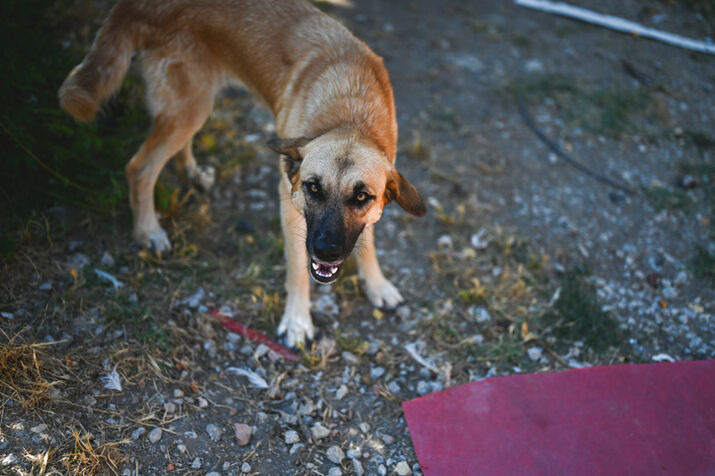
A Prior Bite Is Not the Only Warning Sign
Dogs can display aggressive tendencies long before an actual bite occurs. Growling, snapping, lunging, charging, or attempting to attack people may all indicate potentially dangerous behavior. These actions can provide warning signs that a responsible owner should take seriously. A documented bite history is not always necessary for concerns to arise.
Investigators often look beyond formal bite reports when evaluating liability. Neighbors, family members, delivery drivers, and visitors may have observed concerning behavior before the attack. Their observations can help establish what the owner may have known about the dog's temperament. Small details sometimes become important pieces of evidence.
A dog's behavior pattern often tells a more complete story than a single event. The absence of a previous bite does not erase evidence of aggression. Looking at the dog's overall history frequently provides a better understanding of potential risks. This broader perspective often becomes an important part of a claim.
What the Owner Knew Can Matter
Knowledge often plays a central role in dog bite cases. When investigators evaluate responsibility, they frequently examine whether the owner knew or should have known that the dog posed a risk. This analysis extends beyond documented attacks. Many different facts may help answer that question.
Owners interact with their dogs every day. They may observe behavior that outsiders never see. Signs of aggression, territorial behavior, or difficulty controlling the dog may all become relevant. These observations can influence how liability is evaluated after an attack.
Knowledge does not always come from personal observation alone. Complaints from neighbors, warnings from trainers, or reports from previous caretakers may also provide important information. Investigators often consider all available evidence. Understanding what the owner knew helps create a clearer picture of responsibility.
Reasonable Precautions Still Matter
Dog owners generally have responsibilities regardless of whether a dog has previously bitten someone. Exercising reasonable care often involves supervising the animal, maintaining control, and taking steps to reduce foreseeable risks. These responsibilities do not automatically disappear simply because the dog lacks a documented bite history.
The precautions expected may vary depending on the circumstances. A dog with known behavioral issues may require different safeguards than a dog with no signs of aggression. Leashes, fencing, secure enclosures, and proper supervision often become important considerations. Investigators frequently examine whether reasonable measures were in place.
The focus is often on the owner's conduct rather than a single incident in the dog's past. Questions about supervision, restraint, and control may become important after an attack. Evaluating these factors helps determine whether reasonable care was exercised. The answers often influence the direction of a claim.
Evidence Can Help Establish Liability
Strong evidence often becomes one of the most important parts of a dog bite case. Documentation helps explain what happened before, during, and after the attack. The more information available, the easier it becomes to evaluate responsibility. Preserving evidence early can provide significant benefits later.
Helpful evidence may include:
- Witness statements
- Photographs of injuries
- Animal control reports
- Veterinary records
- Communications involving the dog or owner
Witnesses can provide valuable insight into the dog's behavior and the circumstances surrounding the attack. Official records may reveal complaints, reports, or prior concerns. Medical records help document the injuries caused by the incident. Together, these materials help create a stronger factual foundation.
Evidence can also address claims that the attack was completely unexpected. Information about prior behavior may reveal warning signs that were overlooked or ignored. A thorough investigation often uncovers details that are not immediately obvious. Strong documentation frequently helps clarify liability questions.
Insurance Companies Often Investigate First-Time Bite Cases
Insurance companies do not automatically reject claims simply because a dog never bit anyone before. Adjusters generally conduct investigations to understand the circumstances of the attack. They review records, interview witnesses, and evaluate the available evidence. Their goal is to assess both liability and damages.
The dog's history is usually only one part of the investigation. Insurance companies often examine how the owner supervised the animal and whether reasonable precautions were taken. They may also evaluate evidence regarding prior behavior. The overall review often extends far beyond a single question about previous bites.
Understanding how insurers approach these claims can help victims prepare for the process. Thorough documentation often supports stronger discussions regarding liability. A well-organized claim may reduce uncertainty during negotiations. Preparation frequently helps strengthen a person's position.
Every Dog Bite Case Involves Unique Facts
No two dog bite cases are exactly alike. The dog's behavior, the owner's actions, the location of the attack, and the available evidence all contribute to the analysis. Small factual differences can significantly affect how liability is evaluated. Looking at the full circumstances often produces the clearest understanding of the case.
Some attacks occur without any obvious warning signs. Others involve behavior that raised concerns long before the injury occurred. Investigators must evaluate the available information carefully rather than relying on assumptions. Every detail has the potential to influence the outcome.
Because each case is unique, broad generalizations often provide limited guidance. A prior bite history may be important in one case but less significant in another. Understanding the specific facts involved helps create a more accurate evaluation. Thorough investigation remains one of the most valuable tools available.
Liability Often Depends on More Than a Dog's Bite History
A dog's lack of previous bite incidents does not automatically shield an owner from liability. Investigators often examine a much wider range of factors when evaluating responsibility. Prior aggressive behavior, owner knowledge, supervision practices, and other circumstances may all influence the analysis. Focusing solely on whether a dog bit someone before can overlook important evidence.
Dog bite claims often require a careful review of the facts. The circumstances surrounding the attack frequently matter more than simple assumptions about the dog's history. Looking at the full picture helps create a better understanding of what happened and why. A complete investigation often provides the strongest foundation for evaluating a claim.
Victims benefit from understanding that liability questions rarely have automatic answers. Each case presents its own challenges and opportunities. Strong evidence and careful analysis help clarify available options. Taking the time to gather information often makes a meaningful difference.
Protecting Your Rights After a First-Time Dog Bite
A dog bite can create serious physical, emotional, and financial challenges, even when the animal has never bitten anyone before. The absence of a prior attack does not automatically prevent an injured person from seeking compensation. Liability often depends on the owner's knowledge, the dog's behavior, and the circumstances surrounding the incident.
If you have questions about a dog bite claim, the Vermont dog bite lawyers at Horn Wright, LLP, can help. Our team works with injured individuals throughout Vermont to investigate attacks, evaluate liability, and pursue compensation when negligence contributes to an injury. We strive to take that stress off your shoulders so you can focus on healing while we help protect your interests.

What Sets Us Apart From The Rest?
Horn Wright, LLP is here to help you get the results you need with a team you can trust.
-
Client-Focused ApproachWe’re a client-centered, results-oriented firm. When you work with us, you can have confidence we’ll put your best interests at the forefront of your case – it’s that simple.
-
Creative & Innovative Solutions
No two cases are the same, and neither are their solutions. Our attorneys provide creative points of view to yield exemplary results.
-
Experienced Attorneys
We have a team of trusted and respected attorneys to ensure your case is matched with the best attorney possible.
-
Driven By Justice
The core of our legal practice is our commitment to obtaining justice for those who have been wronged and need a powerful voice.