


Can Parents Sue After a Child Is Attacked by a Dog in Vermont?
Understanding a Parent's Legal Rights After a Dog Attack
A dog attack involving a child can be one of the most frightening experiences a family faces. Parents often find themselves focused on emergency medical treatment, emotional support, and helping their child recover from the trauma. As the immediate crisis begins to settle, many families start asking important legal questions. One of the most common is whether parents can pursue a claim on behalf of an injured child.
Children generally cannot handle legal claims on their own. Because of this, parents or legal guardians often play a central role in protecting a child's interests after an injury. When a dog attack results in medical expenses, emotional trauma, or lasting physical harm, legal action may become an option depending on the circumstances. Understanding how these claims work can help families make informed decisions.
If your child was injured in a dog attack, understanding your rights is an important step toward protecting their future. At Horn Wright, LLP, our Vermont dog bite attorneys help families investigate claims and pursue compensation when negligence contributes to a child's injuries. A careful review of the facts often provides a clearer understanding of the available options.
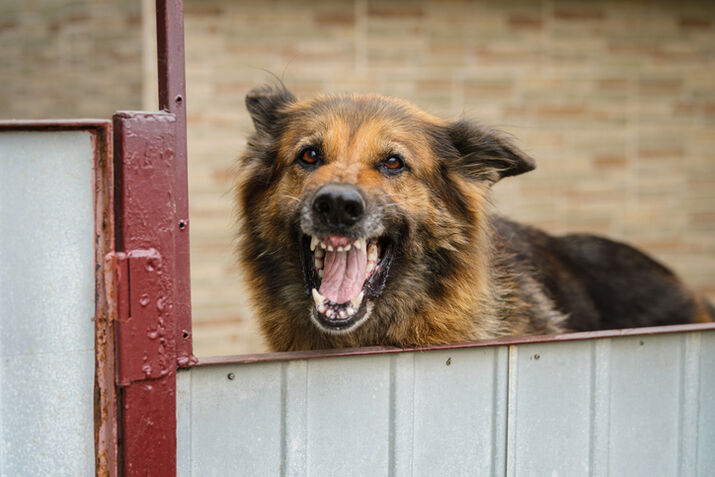
Dog Bite Injuries Can Have Lasting Effects on Children
Children often suffer different injuries than adults during dog attacks. Because of their height and size, bites frequently affect the face, neck, shoulders, arms, and hands. These injuries can require extensive medical treatment and may leave permanent scars. The physical effects alone can create long-term challenges.
The emotional impact can be equally significant. Many children experience fear, anxiety, sleep disturbances, or emotional distress after an attack. Some become afraid of dogs, while others develop concerns about leaving home or participating in activities they once enjoyed. These reactions are common after traumatic events and may continue long after physical wounds heal.
The recovery process often involves more than emergency treatment. Some children require follow-up care, counseling, scar management, or future medical procedures. Understanding the full scope of the injury is important when evaluating potential compensation. Looking beyond the initial medical bills often provides a more complete picture of the harm suffered.
Parents Typically Act on Behalf of Their Child
Because children are minors, they generally cannot file legal claims independently. Parents or legal guardians typically act on behalf of the child throughout the claims process. This allows families to pursue compensation while protecting the child's interests. The goal is often to address both current and future damages resulting from the attack.
Parents may be responsible for making decisions regarding medical treatment, insurance claims, and legal matters. They often gather evidence, communicate with insurance companies, and work with professionals involved in the case. These responsibilities can feel overwhelming during an already stressful time. Understanding the process can help reduce uncertainty.
Acting on behalf of a child does not mean pursuing compensation only for immediate expenses. The long-term effects of the injury often require careful consideration. Future medical needs, emotional recovery, and lasting physical impacts may all become relevant. A comprehensive evaluation often provides the clearest understanding of what the child may need moving forward.
Medical Records Often Form the Foundation of the Claim
Medical documentation frequently becomes one of the most important parts of a dog bite claim involving a child. These records establish the connection between the attack and the injuries suffered. Emergency room reports, physician evaluations, treatment plans, and specialist consultations help document the extent of the harm. Thorough records often strengthen a claim.
Prompt medical treatment also creates a timeline that supports the case. Healthcare providers document symptoms, diagnoses, and treatment recommendations shortly after the attack occurs. These records may help demonstrate the seriousness of the injuries and the care required for recovery. Early treatment benefits both the child and the documentation process.
Continuing medical care remains important as recovery progresses. Follow-up appointments, therapy sessions, scar treatment, and counseling records can help show the long-term effects of the attack. Comprehensive medical documentation often provides a clearer understanding of the damages involved. Strong records frequently support stronger claims.
Evidence Can Help Establish What Happened
Strong evidence often plays a central role in a dog bite claim involving a child. Important details can disappear quickly after an attack. Witnesses may become difficult to locate, physical conditions may change, and memories often fade over time. Preserving evidence early can help protect your child's interests.
Helpful evidence may include:
- Photographs of injuries
- Images of the location where the attack occurred
- Witness statements
- Medical records
- Animal control reports
- Information about the dog and its owner
Each piece of evidence helps tell part of the story. Photographs may capture injuries before healing begins, while witness statements can provide independent accounts of the incident. Official reports often preserve important facts shortly after the attack. Together, these materials help create a more complete picture of what happened.
Strong evidence also helps address disputes regarding liability. Dog owners and victims sometimes provide different versions of events. Thorough documentation often helps clarify the facts. Preserving information early frequently creates advantages later in the claims process.
Insurance Coverage May Be Available
Many dog bite claims involve homeowners insurance or renters insurance policies. These policies often provide liability coverage when a dog injures another person. Insurance coverage may help compensate families for medical expenses, future treatment needs, and other damages. Identifying available coverage is often an important step.
Insurance companies typically conduct investigations before evaluating claims. Adjusters may review medical records, witness statements, photographs, and official reports. Their goal is to assess liability and determine potential damages. Strong documentation often supports a more accurate evaluation.
Coverage issues can sometimes become complicated. Policy limits, exclusions, and disputes regarding responsibility may affect the claims process. Understanding what insurance resources may be available helps families evaluate their options more effectively. Thorough investigations frequently provide valuable answers.
Emotional Harm Can Be Part of the Claim
A dog attack can affect much more than a child's physical health. Emotional trauma often becomes a significant part of the recovery process. Fear, anxiety, depression, and behavioral changes can continue long after physical wounds heal. These effects deserve careful consideration.
Mental health treatment may become necessary in some cases. Counselors, psychologists, and other professionals can help children process the trauma associated with the attack. Records documenting this treatment may help demonstrate the emotional impact of the injury. Emotional recovery is often just as important as physical healing.
Parents sometimes underestimate how deeply a dog attack can affect a child. Changes in confidence, social interactions, and daily activities may continue for months or years. Understanding these effects helps create a more complete picture of the damages involved. Emotional injuries can have lasting consequences.
Liability Investigations Often Involve Multiple Factors
Determining responsibility after a dog attack often requires a detailed investigation. While the dog's owner frequently becomes the primary focus, other factors may also be considered. The location of the attack, the dog's history, and the actions of those involved can all influence the analysis. Every case presents unique circumstances.
Investigators often review witness statements, medical records, animal control reports, and other available evidence. Their goal is to understand how the attack occurred and whether negligence contributed to the injury. Thorough investigations frequently uncover important details. Looking at the complete picture often provides greater clarity.
Liability disputes do not automatically prevent a claim from moving forward. Strong evidence frequently helps address conflicting accounts and unanswered questions. Understanding how responsibility is evaluated can help families better prepare for the process. Documentation often remains the key factor.
Understanding What Compensation May Address
Compensation in a child dog bite case often involves more than immediate medical expenses. Families may face costs related to future treatment, rehabilitation, counseling, and scar management. The long-term effects of the injury may also influence the value of a claim. Understanding these considerations is important.
Some damages involve financial losses that can be measured directly through bills and records. Others relate to pain, emotional suffering, and the impact of the injury on the child's life. Evaluating these effects often requires looking at the complete recovery process. Every child experiences the consequences differently.
The goal of compensation is often to address the harm caused by the attack and provide resources for future needs. Looking beyond short-term expenses helps create a more complete understanding of the situation. Comprehensive evaluations often lead to better-informed decisions.
Protecting Your Child's Future After a Dog Attack
When a child is injured in a dog attack, parents often face difficult decisions while trying to support their child's recovery. Understanding your legal rights can help you make informed choices about medical care, evidence preservation, and potential compensation. While no legal claim can erase the trauma of an attack, it may help provide the resources needed to support your child's future.
If your child was injured by a dog, our dog bite lawyers at Horn Wright, LLP, can help. Our team works with families throughout Vermont to investigate claims, gather evidence, and pursue compensation for injured children. We strive to take that stress off your shoulders so you can focus on your child's healing while we help protect your family's interests and future.

What Sets Us Apart From The Rest?
Horn Wright, LLP is here to help you get the results you need with a team you can trust.
-
Client-Focused ApproachWe’re a client-centered, results-oriented firm. When you work with us, you can have confidence we’ll put your best interests at the forefront of your case – it’s that simple.
-
Creative & Innovative Solutions
No two cases are the same, and neither are their solutions. Our attorneys provide creative points of view to yield exemplary results.
-
Experienced Attorneys
We have a team of trusted and respected attorneys to ensure your case is matched with the best attorney possible.
-
Driven By Justice
The core of our legal practice is our commitment to obtaining justice for those who have been wronged and need a powerful voice.