


How Much Is My Dog Bite Case Worth in Vermont?
Understanding What Shapes the Value of a Dog Bite Claim
After a dog attack, many people focus on healing first. As medical bills begin to arrive and time away from work increases, another question often follows. Victims want to know how much compensation they may be entitled to recover. While that question is understandable, there is rarely a simple answer.
Dog bite claims do not come with fixed settlement amounts. Every injury affects people differently, and every case involves unique facts. Insurance companies evaluate damages based on documentation, treatment history, and the impact the injury has had on the victim's life. Small differences between cases can lead to very different outcomes.
At Horn Wright, LLP, our Vermont dog bite attorneys help injured individuals evaluate potential claims and understand how compensation is calculated. Taking action early and preserving records can help create a clearer picture of your losses before settlement discussions begin.
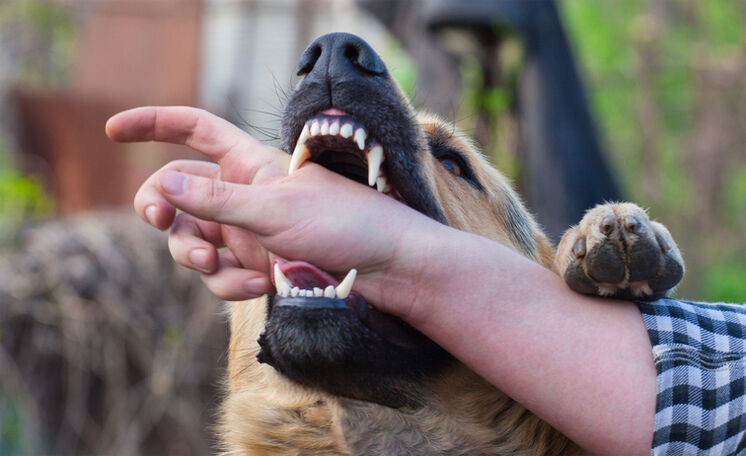
What Determines the Value of a Dog Bite Case?
Several factors work together to influence the value of a dog bite case. Insurance companies and legal professionals often begin by reviewing the severity of the injuries. The extent of the treatment required and the overall recovery process also play important roles. A claim involving significant medical intervention will usually receive different consideration than one involving a short recovery period.
The effect the injury has on daily life also matters. Some people return to normal routines relatively quickly, while others face months of treatment and limitations. Injuries that interfere with employment, family responsibilities, or personal independence often create broader damages. These consequences can influence settlement negotiations in meaningful ways.
Case value may also depend on factors that are not immediately obvious. The location of the injury, the age of the victim, and the likelihood of future complications can all affect compensation. Visible injuries often carry different considerations than injuries hidden beneath clothing. Looking at the full impact of an injury provides a stronger foundation for understanding potential value.
Documentation plays an important role as well. Strong medical records, employment records, and evidence of financial losses help establish damages. Clear documentation often makes it easier to demonstrate how the injury affected different areas of life. A well-supported claim usually provides a more complete picture of the losses suffered.
Medical Expenses and Future Treatment Costs
Medical expenses often represent one of the largest portions of a dog bite claim. Emergency room visits, physician appointments, medications, and diagnostic testing can generate significant costs in a short period of time. Even relatively moderate injuries may require multiple rounds of treatment. Those expenses often continue long after the initial attack.
Some dog bite injuries involve complex medical needs. Deep puncture wounds, nerve damage, and tissue injuries may require surgical intervention or specialized care. Physical therapy and rehabilitation sometimes become necessary to restore function. The more extensive the treatment, the greater the financial impact on the victim.
Future medical expenses can be just as important as current bills. Some injuries require ongoing monitoring, additional procedures, or scar revision treatments months or years later. Estimating these future costs often becomes a critical part of evaluating a claim. Settling before understanding long-term treatment needs may create challenges later.
While every injury is different, treatment records frequently become key evidence in a compensation claim. These records help document the care received and the resources needed for recovery. Thorough medical documentation often strengthens discussions about case value.
Lost Income and Financial Impact
The financial effects of a dog bite often extend beyond healthcare expenses. Many victims miss work while attending appointments, recovering from procedures, or following physician restrictions. Even a short absence can create stress for individuals and families who depend on regular income. Lost wages frequently become a significant part of a compensation claim.
Employment-related losses vary from one person to another. Hourly employees may lose income immediately when they miss shifts. Salaried workers may use paid leave that would otherwise remain available for future needs. Self-employed individuals often face additional challenges because missed opportunities cannot always be replaced once they are gone.
Some injuries create limitations that affect future earning capacity. A person who works in a physically demanding field may face restrictions that make certain tasks difficult or impossible. Changes in work responsibilities can influence long-term career opportunities and earnings. Evaluating these effects helps create a more accurate picture of the total financial loss.
Financial strain can affect more than the injured person alone. Household budgets often change when medical expenses increase and income decreases at the same time. Families may adjust schedules, postpone plans, or take on additional responsibilities during recovery. Understanding these broader financial consequences helps place the claim in its proper context.
Pain, Suffering, and Emotional Harm
Some of the most significant effects of a dog bite do not appear on a medical bill. Physical pain can continue long after wounds begin to heal. Daily activities may become more difficult because of discomfort, stiffness, or limited mobility. These challenges often affect a person's quality of life in meaningful ways.
Pain-related damages vary from case to case. A minor injury that heals quickly may cause only temporary discomfort. More serious injuries can create ongoing symptoms that interfere with work, exercise, sleep, and routine activities. The duration and severity of the pain often influence how compensation is evaluated.
Emotional harm also deserves careful consideration. A sudden dog attack can be frightening, especially when it causes severe injuries. Some victims develop anxiety around dogs, avoid public spaces, or experience sleep disturbances after the incident. These emotional effects may continue well beyond the physical recovery period.
Psychological consequences can affect children and adults alike. Fear, stress, and reduced confidence may influence everyday decisions in subtle ways. Mental health treatment sometimes becomes part of the recovery process. Recognizing these less visible damages helps provide a fuller understanding of the claim's overall value.
Permanent Scarring and Disfigurement
Scarring often becomes one of the most lasting consequences of a dog bite. While some wounds heal with minimal visible effects, others leave permanent marks that remain for years. The location and appearance of a scar can influence both personal confidence and daily interactions. These long-term effects frequently become an important consideration when evaluating compensation.
Facial injuries often receive particular attention because they are difficult to conceal. A visible scar may affect how a person feels in social or professional settings. Children who experience facial injuries may carry the effects into adulthood. These factors can increase the significance of a scarring claim.
Permanent changes to appearance sometimes lead victims to pursue additional medical procedures. Scar revision treatments, reconstructive surgery, and cosmetic care may create substantial expenses. Those costs can become part of the overall damages being considered. Future treatment needs often play an important role in settlement discussions.
The impact of disfigurement extends beyond medical concerns. Many people experience emotional challenges related to visible injuries. Changes in appearance may affect self-esteem, social interactions, and confidence. Evaluating these long-term consequences helps create a more complete assessment of the losses involved.
Evidence That Can Affect Case Value
The strength of the evidence often influences how a dog bite claim is valued. Insurance companies rely on documentation to evaluate both damages and the impact of the injury. A claim supported by thorough records typically presents a clearer picture than one with limited documentation. Strong evidence helps connect losses directly to the attack.
Useful evidence may include:
- Medical records and treatment notes
- Photographs of injuries throughout recovery
- Witness statements
- Employment records showing lost wages
- Receipts for out-of-pocket expenses
Each piece of evidence serves a different purpose. Medical records establish the nature of the injuries and the care received. Employment documentation helps verify income losses. Photographs often provide a visual record that demonstrates how injuries changed over time.
While legal standards matter, evidence frequently becomes the foundation of compensation discussions. Comprehensive documentation often makes it easier to explain how the injury affected a victim's life. A complete file can strengthen a claim at every stage of the process.
Why Similar Dog Bite Cases Can Have Different Values
Many people compare their situation to another dog bite case they have heard about. While comparisons may seem useful, they rarely provide an accurate prediction of value. Every claim involves different injuries, treatment needs, and personal circumstances. Similar incidents can produce very different outcomes.
Medical recovery often explains many of these differences. One victim may heal quickly and return to normal activities within weeks. Another may require surgery, rehabilitation, or long-term treatment. These variations create substantial differences in damages and compensation discussions.
Insurance coverage can also influence case value. Some policies provide significant liability protection, while others contain lower coverage limits. Coverage disputes may further complicate negotiations. The amount of available insurance sometimes affects what compensation can realistically be recovered.
The strength of the available evidence often creates another point of separation. Thorough documentation can support a stronger claim, while incomplete records may leave important questions unanswered. Even small differences in evidence can affect settlement discussions. Looking at the specific facts of each case usually provides more useful insight than broad comparisons.
Understanding the Full Value of Your Vermont Dog Bite Case
Determining the value of a dog bite case requires more than adding up medical bills. A complete evaluation considers financial losses, physical injuries, emotional harm, and future treatment needs. Looking at only one category of damages may result in an incomplete assessment. A broader perspective often produces a more accurate understanding of what the claim may be worth.
Many victims focus on immediate expenses because those costs appear first. However, future medical care, long-term limitations, and ongoing emotional challenges can significantly affect overall value. These losses may continue long after the initial recovery period ends. Considering both present and future damages often leads to better-informed decisions.
While many dog bite claims resolve through settlement discussions, understanding the full scope of damages remains important. A careful evaluation helps ensure that key losses receive appropriate attention. Patience and thorough documentation often support stronger outcomes.
Every dog bite case presents a unique set of circumstances. The facts surrounding the attack, the quality of the evidence, and the long-term impact of the injuries all influence compensation. Taking time to understand these factors helps victims make more informed decisions about their options. A thoughtful approach often provides the clearest view of a claim's potential value.
Protecting Your Financial Recovery After a Dog Bite
A dog bite injury can create financial pressure that lasts far longer than the attack itself. Medical treatment, lost income, emotional distress, and future care needs can all influence the value of a claim. Understanding how these damages work together helps you evaluate settlement offers more effectively and avoid overlooking important losses. The strongest claims often reflect the full impact of the injury rather than only the expenses that appear immediately after the incident.
If you have questions about what your dog bite case may be worth, our dog bite lawyers at Horn Wright, LLP, can help. Our team works with injured individuals throughout Vermont to investigate claims, assess damages, and pursue compensation when negligence contributes to an attack. We understand how overwhelming this process can feel. By helping you evaluate the complete picture of your losses, we strive to take that stress off your shoulders while you focus on healing and moving forward.

What Sets Us Apart From The Rest?
Horn Wright, LLP is here to help you get the results you need with a team you can trust.
-
Client-Focused ApproachWe’re a client-centered, results-oriented firm. When you work with us, you can have confidence we’ll put your best interests at the forefront of your case – it’s that simple.
-
Creative & Innovative Solutions
No two cases are the same, and neither are their solutions. Our attorneys provide creative points of view to yield exemplary results.
-
Experienced Attorneys
We have a team of trusted and respected attorneys to ensure your case is matched with the best attorney possible.
-
Driven By Justice
The core of our legal practice is our commitment to obtaining justice for those who have been wronged and need a powerful voice.