


What Should I Do After Being Bitten by a Dog in Burlington, VT?
Steps to Take Immediately After a Dog Attack
A dog bite can leave you frightened, confused, and unsure about what comes next. Many people focus on the immediate pain and do not realize how quickly medical expenses and insurance issues can follow. The decisions you make during the first few hours can affect both your recovery and any future claim. Taking organized action helps protect your health and preserves important information.
After a dog attack, your first concern should always be your physical well-being. You may feel shocked or overwhelmed, especially if the attack happened unexpectedly during a walk or while visiting someone's property. Adrenaline can make injuries seem less serious than they actually are. That is why it is important to remain calm and assess the situation carefully.
If you suffered injuries from a dog attack in Burlington, obtaining reliable information early can help you avoid costly mistakes. Our trusted Vermont dog bite attorneys at Horn Wright, LLP, help injured individuals understand their rights and legal options after an attack. Taking prompt action often makes it easier to document the incident and protect your interests moving forward.
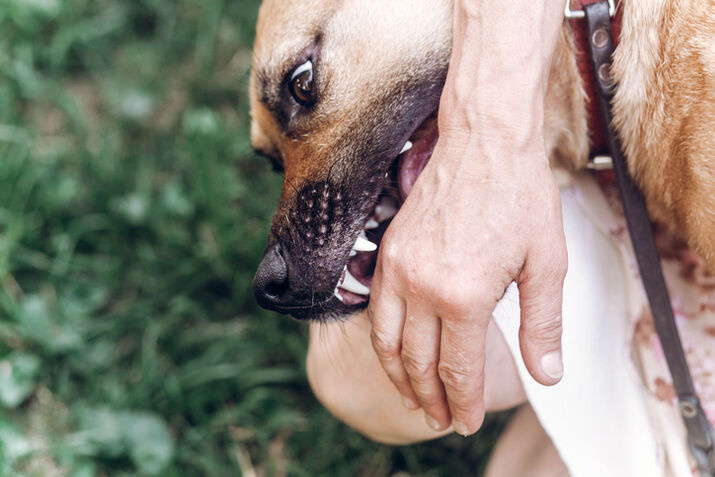
Get to Safety and Assess Your Injuries
The moments immediately after a dog bite can feel chaotic. Your first priority should be creating distance between yourself and the animal. If the dog remains loose or aggressive, move to a secure location as quickly as possible. Avoid making sudden movements that could provoke another attack.
Once you are safe, take a close look at your injuries. Some dog bites produce obvious wounds that require emergency treatment. Other injuries may appear minor on the surface while causing significant damage underneath the skin. Puncture wounds, nerve injuries, and muscle damage often require professional medical evaluation.
If another person witnessed the attack, ask them to remain nearby if possible. Their observations may help confirm what happened later. Take note of any pain, swelling, bleeding, or difficulty moving affected body parts. A careful assessment helps you make informed decisions about the next steps in your recovery.
Many victims try to continue with their day after a bite because they do not want to overreact. Unfortunately, delaying treatment can sometimes allow complications to develop. Early attention to injuries often leads to better medical outcomes. It also creates documentation that may become important if legal questions arise.
Seek Medical Treatment as Soon as Possible
Dog bites carry risks that extend beyond the initial wound. Bacteria from an animal's mouth can enter the body through broken skin and lead to infection. Some infections develop quickly and require aggressive treatment. Seeking medical attention as soon as possible reduces these risks and supports your recovery.
A healthcare provider can properly clean the wound and determine whether additional treatment is necessary. Depending on the injury, you may require stitches, antibiotics, imaging tests, or specialist care. Medical professionals can also evaluate whether rabies exposure or tetanus concerns exist. Their assessment provides a clearer understanding of the full extent of the injury.
Prompt medical care also creates valuable documentation. Medical records establish a direct connection between the dog bite and your injuries. Insurance companies often review these records closely when evaluating claims. Detailed treatment notes can help demonstrate the seriousness of the harm you suffered.
Reviewing trusted health resources can help you understand potential risks after an attack. However, online information should never replace an in-person medical evaluation. A qualified healthcare provider remains the best source of advice regarding your treatment needs.
Report the Dog Bite to Local Authorities
Reporting a dog bite creates an official record of the incident. That record can help protect both your interests and the safety of others in the community. Local authorities may investigate the circumstances surrounding the attack and gather information about the dog involved. Their findings may later become useful during an insurance claim.
In Burlington, reporting the incident allows the appropriate agencies to determine whether the animal has a history of aggressive behavior. Authorities may review prior complaints and evaluate whether additional action is necessary. This process helps identify potential safety concerns before another attack occurs. It also provides an independent account of what happened.
Many people hesitate to report a dog bite because they know the owner personally. Others worry about creating problems for a neighbor or friend. Reporting the incident does not automatically result in severe consequences for the owner. Instead, it helps establish facts and allows local officials to address public safety concerns appropriately.
Reporting requirements and procedures may vary depending on the circumstances of the attack. Acting promptly helps ensure that important details remain accurate and available. Official records often become valuable pieces of evidence later.
Gather Evidence Before It Disappears
Strong evidence can make a significant difference if questions arise about liability or damages. The best time to collect information is shortly after the attack while details remain fresh. Waiting too long may result in lost evidence or fading memories. Taking a proactive approach helps preserve important facts.
Consider gathering:
- Photographs of your injuries
- Photos of the location where the attack occurred
- Contact information for witnesses
- Information about the dog and its owner
- Images of damaged clothing or personal belongings
If the attack occurred near Church Street Marketplace or another public area, nearby businesses may have surveillance footage that captured part of the incident. Witnesses may also provide valuable observations that support your account. Independent evidence often strengthens a claim when disputes arise. Collecting this information early can prevent unnecessary challenges later.
Documentation should continue throughout your recovery. Take photographs as injuries heal and keep records of medical appointments, expenses, and missed work. These materials help demonstrate how the dog bite affected your life over time. Thorough evidence creates a clearer picture of the losses you experienced.
Be Careful When Speaking With Insurance Companies
Insurance companies often begin investigating a dog bite claim shortly after the incident is reported. An adjuster may contact you and ask questions about the attack, your injuries, and your medical treatment. While these conversations may seem routine, they can influence how the insurer evaluates your claim. Approaching these discussions carefully can help protect your interests.
It is important to provide truthful and accurate information. However, you should avoid guessing about details you do not know or making statements that minimize your injuries. Many dog bite victims do not fully understand the extent of their injuries during the first few days after an attack. Recovery often takes longer than expected, and complications can develop as treatment progresses.
Insurance companies frequently look for documentation that supports or challenges a claim. They may review medical records, witness statements, photographs, and official reports. Their goal is to assess liability and determine the value of the claim. Understanding this process can help you communicate more effectively and avoid unnecessary misunderstandings.
Some insurers make settlement offers before a victim completes treatment. While a quick payment may seem appealing, accepting an offer too soon can create problems later. Future medical costs and ongoing complications may not be fully known at the beginning of recovery. Taking time to understand the full impact of the injury often leads to better decision-making.
Understand Your Rights Under Vermont Law
Dog bite victims in Vermont may have the right to pursue compensation when another person's actions contribute to an attack. The specific facts surrounding the incident often determine how a claim proceeds. Evidence regarding the dog's behavior and the owner's actions can become important factors. Understanding these legal principles helps you evaluate your options.
Liability may depend on several circumstances. Investigators and insurers may examine whether the owner knew the dog had aggressive tendencies or failed to control the animal properly. They may also review local ordinances and other safety requirements. Each piece of evidence helps build a clearer understanding of what occurred.
Compensation may include medical expenses, lost income, and other damages related to the attack. Some victims require extensive treatment that continues long after the initial injury. Emotional distress and permanent scarring may also affect the value of a claim. A complete evaluation should account for both immediate and long-term losses.
Reviewing legal resources can provide useful background information about your rights. However, every dog bite case presents unique facts and circumstances. Understanding how those facts apply to your situation remains an important part of the process.
Know When Legal Guidance May Help
Some dog bite claims involve straightforward facts and cooperative insurance companies. Others become complicated due to severe injuries, disputed liability, or disagreements over compensation. When challenges arise, legal guidance can provide valuable support. Understanding when to seek help can make the claims process more manageable.
Serious injuries often create significant financial pressure. Surgery, rehabilitation, and long-term medical care can generate substantial expenses. Victims may also miss work while recovering, creating additional strain on household finances. A thorough review of damages helps ensure that future needs receive proper consideration.
Insurance disputes can develop even when the circumstances appear clear. The insurer may challenge the severity of the injuries or argue that certain treatments were unnecessary. Resolving these disagreements often requires strong evidence and careful advocacy. Professional guidance can help address obstacles that might otherwise delay or reduce compensation.
Legal assistance may also prove beneficial when emotional trauma or permanent scarring affects daily life. These damages can be difficult to measure without a comprehensive evaluation. Every case deserves careful attention to both visible and less obvious consequences. Recognizing the full impact of an injury helps support a more accurate claim.
Moving Forward After a Dog Bite in Burlington
Recovering from a dog bite often involves more than physical healing. Many victims must balance medical appointments, financial concerns, and emotional stress while trying to return to normal routines. The process can feel overwhelming, especially when uncertainty surrounds the future. Taking a structured approach helps create a sense of stability during recovery.
Each step you take after the attack contributes to a stronger foundation moving forward. Medical treatment helps address injuries and prevent complications. Reporting the incident creates an official record of what occurred. Preserving evidence ensures that important information remains available if questions arise later.
Recovery timelines vary from person to person. Some individuals heal relatively quickly, while others require ongoing treatment and support. Remaining patient and consistent with medical care often produces the best outcomes. Focusing on both physical and emotional well-being can help you regain confidence as you move forward.
Dog bite injuries can affect many aspects of daily life. Careful planning and informed decisions help reduce uncertainty during the recovery process. Staying organized and documenting your progress may also prove beneficial if compensation becomes an issue. Small actions taken early often have lasting benefits later.
Protecting Your Future After a Dog Attack
A dog bite can create challenges that extend far beyond the day of the attack. Medical treatment, lost income, emotional distress, and uncertainty about legal rights can all affect your recovery. Taking prompt action helps protect your health while preserving important evidence. The decisions you make early often influence what happens next.
Understanding your options allows you to respond with greater confidence. Seeking medical care, reporting the incident, and documenting your losses provide a strong starting point. These steps help establish a clear record of how the attack affected your life. They also place you in a better position if insurance or legal issues arise later.
When questions about compensation, liability, or recovery begin to surface, obtaining reliable information becomes increasingly important. Our Vermont dog bite lawyers at Horn Wright, LLP, help dog bite victims understand their rights and evaluate potential claims. We work to take that stress off your shoulders so you can focus on healing and rebuilding your sense of security. With the right support and preparation, you can move forward with confidence after a dog bite injury.

What Sets Us Apart From The Rest?
Horn Wright, LLP is here to help you get the results you need with a team you can trust.
-
Client-Focused ApproachWe’re a client-centered, results-oriented firm. When you work with us, you can have confidence we’ll put your best interests at the forefront of your case – it’s that simple.
-
Creative & Innovative Solutions
No two cases are the same, and neither are their solutions. Our attorneys provide creative points of view to yield exemplary results.
-
Experienced Attorneys
We have a team of trusted and respected attorneys to ensure your case is matched with the best attorney possible.
-
Driven By Justice
The core of our legal practice is our commitment to obtaining justice for those who have been wronged and need a powerful voice.