


Can I Sue for Emotional Trauma After a Dog Attack in Burlington, VT?
Emotional Injuries Are Often Just as Real as Physical Ones
A dog attack can leave visible injuries that require immediate medical attention. Cuts, puncture wounds, infections, and scars are often the focus during the first days of recovery. However, many victims experience another type of injury that receives far less attention. Emotional trauma can continue affecting a person's life long after the physical wounds begin to heal.
Being attacked by a dog is often a terrifying experience. Victims may feel helpless, frightened, and overwhelmed during the incident. Those feelings do not always disappear once the danger has passed. Many people continue struggling with anxiety, fear, and emotional distress for months or even years after the attack.
If you are dealing with emotional trauma after a dog attack in Burlington, you may be wondering whether compensation is available. At Horn Wright, LLP, our Vermont dog bite attorneys help injury victims pursue recovery for both physical and psychological harm. Understanding how emotional injuries affect a dog bite claim can help you better evaluate your legal options.
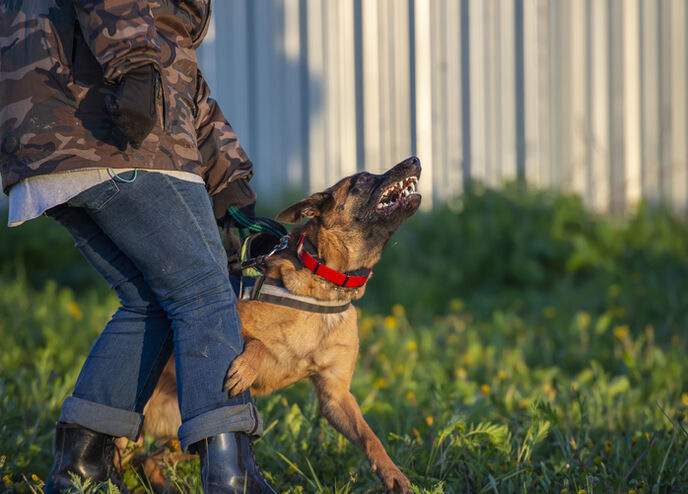
Dog Attacks Can Cause More Than Temporary Fear
Feeling shaken immediately after a dog attack is completely understandable. For many people, those feelings improve as time passes and recovery progresses. Others experience emotional symptoms that continue long after the incident. These lasting effects can interfere with daily activities and overall well-being.
Some victims become fearful whenever they encounter a dog. Others experience anxiety in places where dogs may be present, even when no immediate danger exists. Activities that once felt routine can suddenly become stressful. The emotional consequences may affect work, recreation, and social interactions.
These reactions are not signs of weakness. They are common responses to a traumatic event. Understanding that emotional injuries can be serious helps explain why they may become part of a compensation claim. The effects often extend far beyond the initial incident.
Anxiety and Fear Are Common After Dog Attacks
Anxiety is one of the most frequently reported emotional effects following a dog attack. Victims may experience persistent worry, nervousness, or heightened awareness in situations that remind them of the incident. Even hearing a dog bark can trigger feelings of fear. These responses may occur without warning.
Some individuals begin avoiding certain neighborhoods, parks, sidewalks, or public spaces because they associate those locations with dogs. Others become uncomfortable visiting friends or family members who own pets. These changes can limit normal activities and affect relationships. Emotional trauma often reshapes daily routines.
The severity of anxiety varies from person to person. Some individuals experience occasional discomfort, while others struggle with symptoms that significantly disrupt their lives. Understanding the extent of these effects often becomes important when evaluating damages. Every victim's experience is unique.
Post-Traumatic Stress Symptoms May Develop
A particularly severe dog attack can sometimes lead to symptoms associated with post-traumatic stress. Victims may relive the incident through intrusive thoughts, flashbacks, or nightmares. These experiences can make it difficult to move forward after the attack. Recovery often requires significant time and support.
People experiencing post-traumatic stress symptoms may become hypervigilant in public settings. They may constantly scan their surroundings for potential threats or feel uneasy in situations that previously felt safe. These reactions can affect concentration, sleep, and overall quality of life. The emotional burden can be substantial.
Mental health professionals often help evaluate and treat these symptoms. Their records may help document the psychological impact of the attack. Professional treatment can provide valuable support during recovery. These records may also become important evidence in a claim.
Children Often Experience Emotional Trauma Differently
Children frequently face unique emotional challenges after a dog attack. Because they are still developing emotionally, traumatic events may affect them differently than adults. Fear, anxiety, and behavioral changes sometimes become more noticeable in younger victims. Parents often observe these changes during recovery.
A child who previously loved animals may suddenly become afraid of dogs. Some children experience nightmares, separation anxiety, or difficulty participating in activities they once enjoyed. Others become withdrawn or display changes in mood and behavior. These reactions may continue long after the physical injuries heal.
Emotional trauma can also affect school performance, friendships, and social development. Mental health treatment may become necessary to help a child process the experience. Understanding these long-term effects is often important when evaluating compensation. Children frequently require special consideration.
Mental Health Treatment Costs May Be Recoverable
Emotional trauma often requires professional treatment. Therapists, counselors, psychologists, and other mental health providers help victims process the effects of a traumatic event. These services can play an important role in recovery. They may also create additional financial expenses.
Treatment plans vary depending on the severity of the symptoms. Some individuals benefit from short-term counseling, while others require ongoing therapy. In certain cases, mental health treatment may continue for an extended period. The costs associated with that care can become significant.
Compensation claims often consider these treatment expenses. Medical and mental health records help establish the need for care and document the impact of the emotional injury. Thorough documentation frequently strengthens a claim. Preserving treatment records remains important throughout recovery.
Emotional Trauma Can Affect Relationships and Daily Life
The effects of a dog attack often reach beyond the victim alone. Family members, friends, and coworkers may notice changes in behavior, mood, and interactions. Emotional trauma can influence relationships in ways that are difficult to measure through financial records alone. These impacts are often substantial.
Some victims become more isolated after an attack. Others withdraw from activities they once enjoyed or avoid situations that trigger anxiety. Family routines may change as loved ones provide support and assistance during recovery. These disruptions can affect nearly every aspect of life.
Compensation for emotional trauma often takes these broader effects into account. Looking only at medical bills may fail to capture the full impact of the injury. Understanding how the attack changed daily life often provides a more complete picture of the damages involved.
Evidence Helps Establish Emotional Damages
Unlike a broken bone or visible wound, emotional trauma cannot always be seen. Because of this, evidence often becomes especially important when pursuing compensation. Documentation helps establish the nature and severity of the psychological harm caused by the attack. Strong records frequently support stronger claims.
Helpful evidence may include:
- Mental health treatment records
- Therapist or counselor reports
- Medical records
- Personal journals
- Statements from family members
- Documentation of missed work
These materials help demonstrate how emotional symptoms affect everyday life. Treatment records often provide professional evaluations of the condition. Personal documentation can show how symptoms developed over time. Together, this evidence creates a more complete understanding of the injury.
Insurance companies often review emotional trauma claims carefully. Thorough documentation can help address questions regarding the severity and duration of the symptoms. Strong evidence frequently improves the overall strength of a claim.
Compensation May Include More Than Therapy Costs
Many people assume emotional trauma claims focus only on counseling expenses. In reality, the impact often extends far beyond treatment costs. Emotional injuries can affect a person's quality of life, relationships, employment, and overall well-being. These losses may become part of a compensation claim.
Pain and suffering damages often help address the emotional consequences of a dog attack. These damages recognize the psychological hardship created by the incident. While emotional harm does not appear on a bill, its effects can be significant. Compensation may help acknowledge those challenges.
Every claim is unique. The severity of the emotional trauma, the treatment required, and the impact on daily life all influence the evaluation. Looking at the complete picture often provides the most accurate assessment of damages. Comprehensive reviews frequently strengthen claims.
Protecting Your Future After Emotional Trauma
The emotional effects of a dog attack can be just as disruptive as the physical injuries. Anxiety, fear, sleep disturbances, and post-traumatic stress symptoms may continue affecting your life long after the visible wounds heal. Understanding your rights and documenting your recovery can help you pursue compensation that reflects the full impact of the attack.
If you are struggling with emotional trauma after a dog attack, our Vermont dog bite attorneys at Horn Wright, LLP, can help. We work with injury victims to investigate claims, gather evidence, and pursue compensation for both physical and psychological injuries. We strive to take that stress off your shoulders so you can focus on healing while we help protect your interests and your future.

What Sets Us Apart From The Rest?
Horn Wright, LLP is here to help you get the results you need with a team you can trust.
-
Client-Focused ApproachWe’re a client-centered, results-oriented firm. When you work with us, you can have confidence we’ll put your best interests at the forefront of your case – it’s that simple.
-
Creative & Innovative Solutions
No two cases are the same, and neither are their solutions. Our attorneys provide creative points of view to yield exemplary results.
-
Experienced Attorneys
We have a team of trusted and respected attorneys to ensure your case is matched with the best attorney possible.
-
Driven By Justice
The core of our legal practice is our commitment to obtaining justice for those who have been wronged and need a powerful voice.