


Does Vermont Have a One-Bite Rule for Dog Bite Cases?
Understanding the One-Bite Rule
After a dog attack, many people begin researching the laws that may affect their case. One term that often appears is the "one-bite rule." The phrase creates confusion because many people assume it means a dog gets one free bite before the owner can be held responsible. The reality is usually much more complicated.
The one-bite rule is a legal concept used in some states to evaluate liability in dog bite cases. In general, the rule focuses on whether the owner knew or should have known that the dog had dangerous tendencies. Evidence of prior aggressive behavior may become relevant when determining responsibility. The specific application of the rule varies from state to state.
If you suffered injuries in a dog attack, understanding how Vermont law approaches dog bite liability can help you better evaluate your options. At Horn Wright, LLP, our Vermont dog bite attorneys help injured individuals investigate claims and determine how liability laws may apply to their situation. Knowing the legal framework is often an important first step toward protecting your rights.
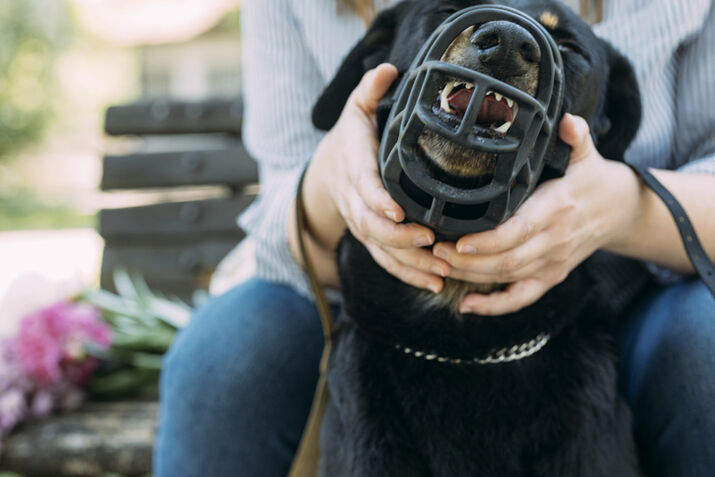
The One-Bite Rule Does Not Mean Owners Get a Free Pass
One of the biggest misconceptions about the one-bite rule is that dog owners face no responsibility until a dog bites someone for the first time. Many people picture a legal system that automatically excuses the first attack. In practice, liability decisions are rarely that simple. Courts and insurance companies typically examine the full circumstances surrounding an incident.
A dog does not necessarily need a history of biting people before warning signs become apparent. Aggressive behavior may include growling, snapping, lunging, or attempts to attack. These actions can sometimes provide evidence that an owner knew about potential risks. Prior knowledge may come from a variety of sources.
Liability often depends on what the owner knew and how they responded to that information. A person's actions before the attack can become just as important as the attack itself. Understanding this distinction helps explain why the phrase "one-bite rule" can sometimes be misleading. The analysis usually involves far more than counting previous incidents.
How Prior Knowledge Can Affect a Dog Bite Case
Knowledge often plays a significant role in dog bite claims. When investigators examine liability, they frequently look at what the owner knew about the dog's behavior before the incident occurred. This review may involve formal reports, witness accounts, and personal observations. The goal is to determine whether warning signs existed.
Evidence of prior aggressive behavior can come from many sources. Neighbors may have witnessed threatening actions. Family members may have observed concerning behavior inside the home. Animal control reports and previous complaints may also become relevant. Each piece of information helps create a clearer picture of the dog's history.
The absence of a prior bite does not automatically eliminate liability concerns. Aggressive tendencies can appear in ways that do not result in documented attacks. Evaluating the dog's behavior as a whole often provides more useful insight than focusing on a single incident. A complete investigation helps identify the facts that matter most.
Vermont Dog Bite Cases Often Depend on Specific Facts
Dog bite cases in Vermont are highly fact-dependent. Liability is not usually determined by a single rule applied in isolation. Instead, investigators often examine the circumstances surrounding the attack, the conduct of the owner, and the available evidence. Every case presents a unique combination of facts.
The location of the attack may become important. The actions of the victim, the owner, and others involved can also influence the analysis. Questions about supervision, restraint, and prior behavior frequently arise during an investigation. These details help shape the overall evaluation.
Because each situation differs, outcomes can vary even when attacks appear similar at first glance. Two dog bite incidents may involve comparable injuries but very different liability considerations. Looking closely at the facts helps avoid assumptions. A thorough review often reveals important distinctions.
Evidence Often Plays a Central Role
Strong evidence frequently becomes one of the most important factors in a dog bite claim. Documentation helps establish what happened, who was involved, and what the owner may have known before the attack. Gathering information early often makes it easier to preserve key details. Delays can sometimes result in lost evidence.
Helpful evidence may include:
- Witness statements
- Photographs of injuries
- Animal control reports
- Veterinary records
- Communications involving the dog or owner
Each source may contribute a different piece of the story. Witnesses can describe behavior they observed before or during the attack. Official records may reveal prior complaints or concerns. Together, these materials often help clarify important liability questions.
Evidence does more than establish responsibility. It can also support claims involving medical expenses, lost income, and other damages. Building a strong factual record often benefits every stage of the claims process. Thorough documentation can provide valuable support long after the attack occurs.
Insurance Companies Still Investigate First-Time Bites
Insurance companies do not automatically reject claims simply because a dog has never bitten someone before. Adjusters generally conduct investigations designed to understand the circumstances surrounding the incident. They review evidence, interview witnesses, and examine available records. Their goal is to evaluate liability and potential damages.
The dog's history often becomes one part of a larger investigation. Insurance companies may examine prior complaints, reports, and observations involving the animal. They also evaluate the owner's actions and the events leading up to the attack. The review process usually extends beyond a single question about previous bites.
Understanding how insurers approach these cases can help victims prepare for the claims process. Strong evidence often helps support a clearer understanding of what happened. A well-documented claim may reduce uncertainty during negotiations. Preparation frequently strengthens a person's position.
Why Dog Owners Have Ongoing Responsibilities
Dog ownership comes with responsibilities that extend beyond reacting to previous incidents. Owners are generally expected to exercise reasonable care when supervising and controlling their animals. This responsibility exists regardless of whether a dog has previously bitten someone. Preventative measures often play an important role in public safety.
Responsible ownership may involve using leashes, secure enclosures, and appropriate supervision. It may also involve responding appropriately to signs of aggressive behavior. Taking reasonable precautions can help reduce the risk of injuries. These actions may become relevant when liability is evaluated after an attack.
Investigators often examine whether the owner acted reasonably under the circumstances. The focus is not always limited to the dog's history. Decisions made before the attack can become an important part of the analysis. Understanding these responsibilities helps provide context for how liability is determined.
Understanding How Liability Is Evaluated After a Dog Bite
Dog bite liability often involves more than a single legal concept. While discussions about the one-bite rule frequently focus on prior knowledge, investigators usually evaluate a wide range of factors. The dog's behavior, the owner's actions, and the available evidence all contribute to the overall analysis. Looking at the full picture often produces the most accurate assessment.
Every dog bite case presents different challenges and questions. Facts that seem minor at first may later become important. A careful investigation helps identify information that could influence liability. Strong evidence often provides the foundation for understanding what happened and why.
Victims benefit from understanding that liability decisions are rarely automatic. The process often requires gathering records, reviewing witness statements, and evaluating the circumstances surrounding the attack. Taking time to understand the facts can help clarify available options. A thorough review often creates a stronger path forward.
Protecting Your Rights After a Vermont Dog Bite
A dog bite can leave you facing medical treatment, financial stress, and uncertainty about what steps to take next. Understanding whether Vermont follows a one-bite rule is only one part of evaluating a potential claim. Liability often depends on the specific facts surrounding the attack and the evidence available to support the case.
If you have questions about your legal options after a dog bite, our Vermont dog bite lawyers at Horn Wright, LLP, can help. Our team works with injured individuals throughout Vermont to investigate claims, gather evidence, and pursue compensation when negligence contributes to an injury. We strive to take that stress off your shoulders so you can focus on recovery while we help protect your interests.

What Sets Us Apart From The Rest?
Horn Wright, LLP is here to help you get the results you need with a team you can trust.
-
Client-Focused ApproachWe’re a client-centered, results-oriented firm. When you work with us, you can have confidence we’ll put your best interests at the forefront of your case – it’s that simple.
-
Creative & Innovative Solutions
No two cases are the same, and neither are their solutions. Our attorneys provide creative points of view to yield exemplary results.
-
Experienced Attorneys
We have a team of trusted and respected attorneys to ensure your case is matched with the best attorney possible.
-
Driven By Justice
The core of our legal practice is our commitment to obtaining justice for those who have been wronged and need a powerful voice.