


Can I Sue After Being Bitten by a Dog at a Business in Burlington, VT?
Understanding Dog Bite Incidents at Businesses
Most people do not expect to be attacked by a dog while visiting a business. Whether you were shopping, attending an appointment, making a delivery, or visiting a pet-related establishment, a dog bite can leave you with painful injuries and unexpected expenses. After the attack, many victims wonder whether the business, the dog owner, or another party may be responsible. The answer often depends on the specific circumstances surrounding the incident.
Dog bite cases involving businesses can be more complicated than attacks that occur at private homes. Multiple parties may be involved, and different insurance policies may apply. Investigators often examine the actions of the dog owner, the business, and anyone else who may have played a role in the events leading to the attack. Understanding how these factors interact is important when evaluating a claim.
If you were bitten by a dog at a business in Burlington, understanding your legal options can help you move forward with greater confidence. At Horn Wright, LLP, our Vermont dog bite attorneys help injury victims investigate claims and identify potentially responsible parties. A thorough review of the facts often provides the clearest picture of what compensation may be available.
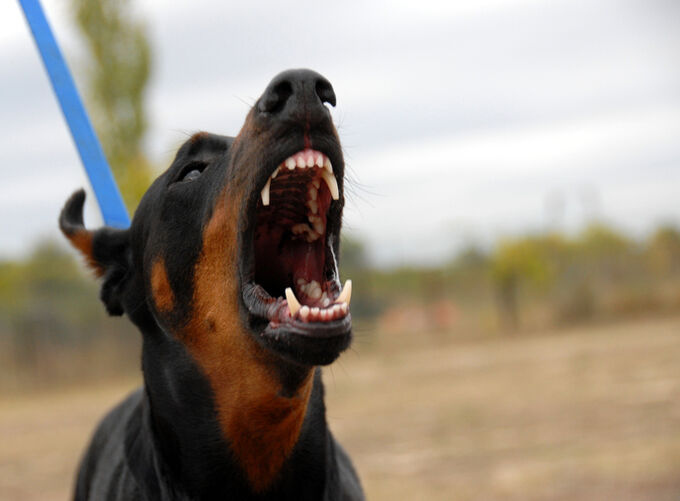
The Dog Owner May Be the Primary Responsible Party
In many dog bite cases, the dog's owner remains the primary focus of the investigation. Dog owners generally have a responsibility to maintain reasonable control over their animals and take precautions to prevent foreseeable harm. When an attack occurs at a business, investigators often begin by examining the owner's actions. Questions regarding supervision and restraint frequently become important.
The location of the attack does not automatically shift liability away from the owner. Even if the bite occurred inside a commercial property, the owner's conduct may still play a central role. Investigators may review whether the dog was leashed, monitored, or otherwise controlled before the incident occurred. These details often help explain how the attack happened.
Ownership issues can sometimes become more complicated than they initially appear. Employees, caretakers, or others may have been supervising the dog when the attack occurred. Determining who exercised control over the animal often helps clarify responsibility. Every case requires a careful review of the available facts.
Businesses May Sometimes Share Responsibility
While dog owners often remain the primary focus, businesses can sometimes become part of the liability analysis. Commercial property owners and operators generally have responsibilities related to maintaining reasonably safe conditions for customers and visitors. Whether those responsibilities were met often depends on the circumstances surrounding the attack. Every situation requires an individual evaluation.
Some businesses regularly allow dogs on the premises. Pet stores, grooming facilities, boarding operations, veterinary offices, and certain outdoor businesses frequently interact with animals. In these environments, investigators may examine safety procedures, supervision practices, and operational policies. These factors can become relevant when evaluating responsibility.
A business does not automatically become liable simply because a dog bite occurred on its property. However, evidence regarding the business's knowledge, actions, and safety measures may become important. Looking at the complete situation often provides a clearer understanding of whether the business played a role. Thorough investigations frequently reveal critical details.
Pet-Friendly Businesses Present Unique Issues
Many businesses today welcome customers who bring their dogs. While pet-friendly policies may create a welcoming atmosphere, they can also introduce additional risks. When a dog attack occurs in these settings, investigators often examine how the business managed those risks. Understanding the environment becomes an important part of the analysis.
Questions may arise regarding posted rules, leash requirements, and employee enforcement efforts. Businesses that allow dogs often establish guidelines designed to reduce the likelihood of incidents. Investigators may review whether those policies existed and whether they were followed. These facts can help clarify what happened before the attack.
Pet-friendly businesses frequently involve interactions between multiple animals and customers. The presence of several dogs in a confined space can create unique challenges. Understanding how the environment contributed to the incident often provides valuable context. Small details sometimes become important factors.
Employees and Business Operations May Become Relevant
In some situations, employees play a direct role in the events surrounding a dog bite. Staff members may handle animals, supervise interactions, or enforce safety procedures. When an attack occurs, investigators often examine whether employees followed established policies and acted appropriately under the circumstances. Their actions may become part of the liability analysis.
Animal boarding facilities, grooming businesses, and veterinary clinics frequently involve employee interaction with dogs. Questions may arise regarding supervision, restraint methods, and communication with customers. These issues often become important when evaluating what happened. Operational decisions sometimes contribute to the overall circumstances.
Employee conduct does not automatically create liability, but it may provide valuable information about the incident. Understanding who was present and what actions were taken can help investigators build a more complete picture. Thorough reviews often uncover details that are not immediately obvious. Every piece of information contributes to the larger analysis.
Evidence Can Help Establish What Happened
Strong evidence often becomes one of the most important parts of a dog bite claim involving a business. Documentation helps establish how the attack occurred, who was involved, and what conditions existed at the time. Preserving information early can make a significant difference. Delays may result in lost evidence.
Helpful evidence may include:
- Photographs of injuries
- Images of the location
- Witness statements
- Medical records
- Incident reports
- Surveillance footage
Businesses often maintain records that may become useful during an investigation. Security camera footage, internal reports, and employee statements can sometimes provide valuable information. These materials may help clarify disputed facts and establish a timeline of events. Strong evidence frequently strengthens a claim.
Obtaining evidence quickly is often important. Surveillance footage may be overwritten, and witness memories may fade over time. Taking steps to preserve information early can help protect your interests. Thorough documentation often supports stronger outcomes.
Witnesses May Provide Valuable Information
Businesses often have customers, employees, and visitors present when a dog bite occurs. These individuals may provide important observations regarding the incident. Independent witness accounts frequently help clarify disputed facts and establish what happened. Neutral perspectives often carry significant weight.
Witnesses may describe the dog's behavior before the attack, whether warnings were given, or how the owner responded. Some may have observed conditions that contributed to the incident. These details often help investigators understand the sequence of events. Small observations can become important pieces of evidence.
Gathering witness information quickly is usually beneficial. People may leave the area shortly after the incident and become difficult to contact later. Preserving names and contact details helps ensure their observations remain available. Strong witness testimony can provide valuable support throughout the claims process.
Insurance Coverage Often Plays a Major Role
Insurance coverage frequently becomes an important consideration after a dog bite at a business. Depending on the circumstances, coverage may exist through the dog owner's policy, the business's insurance policy, or both. Identifying available insurance resources often becomes an important part of the investigation. Understanding coverage helps clarify potential compensation options.
Insurance companies generally conduct their own investigations before evaluating claims. Adjusters may review medical records, witness statements, photographs, surveillance footage, and incident reports. Their goal is to assess liability and damages. Thorough documentation often supports a clearer understanding of the facts.
Coverage questions can become complex when multiple parties are involved. Different policies may apply to different aspects of the claim. Understanding these issues often requires a careful review of the circumstances. A thorough investigation frequently helps identify all available sources of compensation.
Medical Documentation Remains Critical
Regardless of where a dog bite occurs, medical records remain one of the most important forms of evidence. These records help establish the nature of the injuries and the treatment required for recovery. Emergency room visits, physician evaluations, and follow-up care all contribute to the overall picture. Comprehensive documentation frequently strengthens a claim.
Prompt medical treatment creates a timeline that connects the injuries directly to the attack. Healthcare providers document symptoms, diagnoses, and treatment recommendations shortly after the incident occurs. These records often become valuable evidence during insurance investigations. Early treatment benefits both recovery and documentation efforts.
Continuing care is equally important. Some dog bite injuries require ongoing treatment, scar management, or therapy. Follow-up records help demonstrate how the injury affected daily life and future needs. Strong medical documentation often supports a more accurate assessment of damages.
Understanding Your Options After a Dog Bite at a Business
A dog bite at a business can create physical pain, emotional stress, and financial uncertainty. While the dog owner may remain the primary focus in many cases, businesses and other parties may also become part of the investigation depending on the circumstances. Understanding who may share responsibility often requires a careful review of the facts. Every case presents unique challenges.
Evidence frequently becomes the key to evaluating liability and damages. Photographs, witness statements, medical records, surveillance footage, and incident reports all help explain what happened. The stronger the evidence, the easier it becomes to understand the full scope of the incident. Thorough documentation often creates a stronger foundation for a claim.
Taking action early can help preserve important information before it disappears. Witnesses become harder to locate, memories fade, and surveillance footage may be lost. Understanding your rights and protecting available evidence can make a meaningful difference. Preparation often supports stronger outcomes.
Protecting Your Rights After a Dog Bite Injury
Being bitten by a dog while visiting a business can leave you facing medical expenses, lost income, and difficult questions about who may be responsible. While every situation is different, compensation may be available depending on the circumstances of the attack and the parties involved. Understanding your legal options can help you make informed decisions as you recover.
If you have questions about a dog bite claim involving a business, our Vermont dog bite lawyers at Horn Wright, LLP, can help. Our team works with injured individuals throughout Vermont to investigate attacks, gather evidence, and pursue compensation when negligence contributes to an injury. We strive to take that stress off your shoulders so you can focus on healing while we help protect your interests and your future.

What Sets Us Apart From The Rest?
Horn Wright, LLP is here to help you get the results you need with a team you can trust.
-
Client-Focused ApproachWe’re a client-centered, results-oriented firm. When you work with us, you can have confidence we’ll put your best interests at the forefront of your case – it’s that simple.
-
Creative & Innovative Solutions
No two cases are the same, and neither are their solutions. Our attorneys provide creative points of view to yield exemplary results.
-
Experienced Attorneys
We have a team of trusted and respected attorneys to ensure your case is matched with the best attorney possible.
-
Driven By Justice
The core of our legal practice is our commitment to obtaining justice for those who have been wronged and need a powerful voice.