


Can I Sue After Being Bitten by a Dog in a Burlington Park?
Understanding Dog Bite Incidents in Public Parks
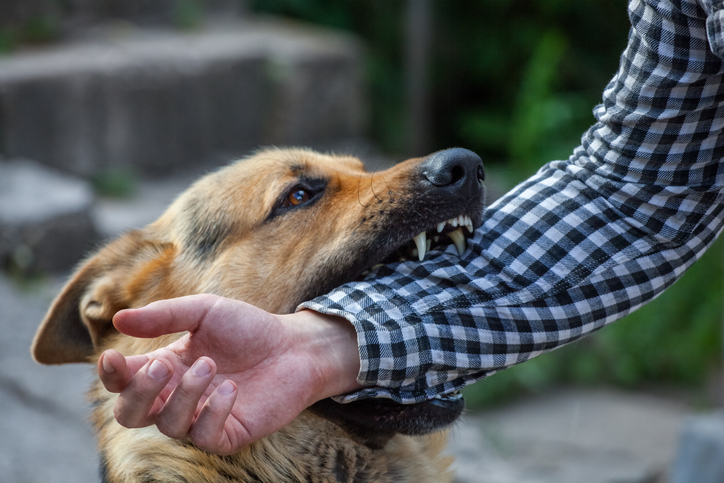
Parks are places where people gather to exercise, relax, spend time with family, and enjoy the outdoors. Many dog owners also bring their pets to public parks for walks and recreation. While most visits end without incident, dog attacks can happen unexpectedly. When a dog bite occurs in a Burlington park, victims are often left wondering whether they have the right to pursue compensation.
The fact that an attack happened in a public park does not automatically prevent a legal claim. Dog owners still have responsibilities when bringing animals into public spaces. Investigators often examine the actions of the owner, the behavior of the dog, and the circumstances leading to the attack. Understanding these factors can help clarify what options may be available.
If you suffered injuries in a dog attack at a park, understanding your rights is an important step toward protecting your interests. At Horn Wright, LLP, our Vermont dog bite attorneys help injury victims investigate claims and identify potential sources of compensation. A careful review of the facts often provides a clearer picture of who may be responsible.
The Dog Owner Is Often the Primary Focus
In many park-related dog bite cases, the dog's owner becomes the primary focus of the investigation. Dog owners generally have a responsibility to maintain reasonable control over their animals while in public spaces. When an attack occurs, investigators often examine whether the owner acted appropriately under the circumstances. Questions regarding supervision and control frequently become important.
The location of the attack does not automatically change the owner's responsibilities. Whether the bite occurred on a walking trail, open field, or recreational area, the owner may still be responsible for managing the dog safely. Investigators often review what happened before the attack and whether reasonable precautions were taken. These facts help explain how the incident occurred.
Ownership issues are usually straightforward, but not always. Sometimes a friend, family member, dog walker, or caretaker may have been supervising the animal when the attack occurred. Determining who exercised control over the dog often becomes part of the investigation. A complete review of the circumstances frequently provides important insight.
Leash Rules May Become Important
Many dog bite investigations involve questions about whether the dog was properly restrained. Public parks often have rules regarding leashes, designated dog areas, and owner responsibilities. When an attack occurs, investigators may examine whether those rules were followed. The answers can become an important part of the liability analysis.
An unleashed dog may create additional concerns regarding supervision and control. If the animal was roaming freely at the time of the attack, investigators often examine how that fact contributed to the incident. Evidence regarding leash use and compliance with park rules may become relevant. These details frequently help establish the broader context.
Leash issues alone do not automatically determine liability. However, they often become one factor among many that investigators consider. Looking at the full circumstances surrounding the attack helps provide a more complete understanding. Small details can have a meaningful impact on a claim.
Dog Parks Can Present Unique Challenges
Some dog bite incidents occur within designated dog parks or off-leash areas. These locations are specifically intended for dogs to interact and exercise. While these environments can be enjoyable for pets and owners, they can also create unique liability questions when an attack occurs. Understanding the setting often becomes important.
Dog parks frequently involve multiple animals interacting in a shared space. Investigators may examine how the dogs behaved before the incident and whether warning signs were present. Questions regarding owner supervision and intervention may also arise. The circumstances often differ from attacks that occur in other public areas.
The existence of an off-leash area does not automatically eliminate responsibility. Owners are generally still expected to supervise and manage their dogs appropriately. Investigators often evaluate whether reasonable steps were taken to prevent foreseeable harm. The specific facts of the incident remain important.
Evidence Can Help Establish What Happened
Strong evidence often becomes one of the most valuable parts of a dog bite claim. Public parks can be busy environments where many people witness an incident. Gathering information quickly can help preserve important details before they are lost. Early action often creates significant advantages.
Helpful evidence may include:
- Photographs of injuries
- Images of the location
- Witness statements
- Medical records
- Animal control reports
- Photographs of the dog involved
Each piece of evidence contributes to the overall picture. Photographs can preserve conditions that may change quickly after the attack. Witness statements often provide independent accounts of what occurred. Together, these materials help investigators understand how the incident unfolded.
Evidence also becomes important when facts are disputed. Owners and victims sometimes remember events differently. Thorough documentation frequently helps clarify conflicting accounts. Strong evidence often provides the clearest path toward resolving disagreements.
Witnesses May Provide Valuable Support
Public parks often contain numerous visitors who may witness a dog attack. These individuals can provide independent observations regarding the incident. Neutral witness accounts frequently carry significant weight because they come from people with no personal stake in the outcome. Their observations often help clarify important facts.
Witnesses may describe how the dog behaved before the attack, whether it was restrained, and how the owner responded. They may also notice details that the victim missed during a stressful event. Small observations sometimes become critical pieces of evidence. Independent accounts often strengthen a claim.
Obtaining witness information as soon as possible is important. People may leave the park shortly after the incident and become difficult to locate later. Preserving names and contact information helps ensure their observations remain available. Strong witness testimony often supports a clearer understanding of what happened.
Animal Control Reports Can Strengthen a Claim
Animal control agencies often investigate dog bite incidents and document important details regarding the attack. These reports may identify the dog, verify ownership, and gather statements from those involved. Official records often become valuable evidence during insurance investigations and legal claims. Independent documentation frequently strengthens the factual record.
Animal control officers may also review whether prior complaints exist involving the same dog. Information regarding previous incidents or aggressive behavior can provide useful context. These findings often help investigators understand the broader circumstances surrounding the attack. Official reports frequently add credibility to a claim.
Prompt reporting often improves the quality of the information collected. The sooner authorities can investigate, the easier it may be to preserve accurate details. Early action often supports a more complete investigation. Good documentation can provide long-term benefits.
Insurance Coverage May Be Available
Many dog bite claims involve insurance coverage through homeowners insurance or renters insurance policies. Even when an attack occurs at a public park, insurance coverage may still apply. Identifying available coverage often becomes an important step in evaluating compensation options. Understanding these resources can help victims move forward.
Insurance companies generally conduct detailed investigations before evaluating claims. Adjusters often review medical records, photographs, witness statements, and official reports. Their goal is to determine liability and assess damages. Strong evidence frequently supports a more accurate evaluation.
Coverage issues sometimes become complicated depending on the facts of the case. Policy limits, exclusions, and disputes regarding responsibility may affect the claims process. A thorough investigation often helps identify the resources that may be available. Understanding insurance issues provides valuable context.
Medical Records Remain Essential
Regardless of where a dog bite occurs, medical records remain a critical part of any claim. These documents help establish the injuries caused by the attack and the treatment required for recovery. Emergency care, follow-up visits, and specialist evaluations all contribute to the overall picture. Thorough documentation frequently strengthens a case.
Seeking prompt medical treatment helps create a clear timeline linking the injuries to the incident. Healthcare providers document symptoms, diagnoses, and treatment recommendations shortly after the attack occurs. These records often become some of the strongest evidence available. Early care benefits both recovery and documentation.
Continuing treatment as recommended is equally important. Some dog bite injuries require ongoing care, rehabilitation, or scar treatment. Follow-up records help demonstrate the lasting impact of the attack. Comprehensive medical documentation often supports a more accurate assessment of damages.
Understanding Your Options After a Dog Bite in a Burlington Park
A dog bite at a Burlington park can leave you facing physical pain, emotional distress, and financial uncertainty. While the attack occurred in a public setting, you may still have options for pursuing compensation depending on the circumstances. Understanding how liability, evidence, and insurance coverage interact can help you make informed decisions moving forward.
Every dog bite case involves unique facts. The dog's behavior, the owner's actions, the location of the attack, and the available evidence all contribute to the analysis. Looking at the complete picture often provides greater clarity than focusing on a single detail. Thorough investigations frequently reveal important information.
Taking action quickly can help preserve valuable evidence before it disappears. Witness memories fade, physical conditions change, and records become harder to obtain over time. Protecting important information often strengthens a claim. Preparation frequently supports better outcomes.
Protecting Your Rights After a Park Dog Bite
Being bitten by a dog in a Burlington park can create challenges that extend well beyond the initial injury. Medical expenses, missed work, and ongoing treatment may place significant stress on victims and their families. Understanding your rights and preserving evidence can help protect your ability to seek compensation when negligence contributes to an attack.
If you have questions about a dog bite claim, our Vermont dog bite attorneys at Horn Wright, LLP, can help. We work with injured individuals to investigate attacks, gather evidence, and pursue compensation when negligence contributes to an injury. We strive to take that stress off your shoulders so you can focus on healing while we help protect your interests and your future.

What Sets Us Apart From The Rest?
Horn Wright, LLP is here to help you get the results you need with a team you can trust.
-
Client-Focused ApproachWe’re a client-centered, results-oriented firm. When you work with us, you can have confidence we’ll put your best interests at the forefront of your case – it’s that simple.
-
Creative & Innovative Solutions
No two cases are the same, and neither are their solutions. Our attorneys provide creative points of view to yield exemplary results.
-
Experienced Attorneys
We have a team of trusted and respected attorneys to ensure your case is matched with the best attorney possible.
-
Driven By Justice
The core of our legal practice is our commitment to obtaining justice for those who have been wronged and need a powerful voice.