


Can I File a Claim If I Fell at a Store in Burlington, VT?
A Fall in a Store Does Not Automatically Mean You Have a Claim
A fall inside a store can happen in seconds, but the consequences can last much longer. What seems like a simple slip or trip can result in broken bones, head injuries, back problems, or other medical issues that require extensive treatment. After an accident, many people wonder whether they have the right to pursue compensation from the business where the fall occurred.
The answer depends on more than the fact that an injury happened. Stores are not automatically responsible every time a customer falls on the property. However, businesses do have a responsibility to maintain reasonably safe conditions for shoppers, visitors, and guests.
Working with experienced Burlington premises liability attorneys can help determine whether a store's negligence contributed to an accident. At Horn Wright, LLP, our attorneys investigate store-related injury claims, gather evidence, and evaluate whether unsafe conditions played a role in causing harm. Understanding how these cases work can help you better assess your options.
Stores Have a Duty to Maintain Safe Conditions
Businesses that invite customers onto their property generally have a legal responsibility to address hazards that could cause injuries. This duty includes conducting reasonable inspections, correcting dangerous conditions, and providing warnings when appropriate. Customers should be able to shop without facing unnecessary risks created by unsafe property conditions.
Store owners and employees are not expected to prevent every accident imaginable. However, they are generally expected to act reasonably when dangerous conditions arise. Failing to address known hazards can create situations where customers suffer preventable injuries.
This responsibility applies to many different types of businesses throughout Burlington. Grocery stores, retail shops, department stores, convenience stores, and specialty retailers may all face premises liability claims when dangerous conditions contribute to injuries. The specific facts of the accident often determine whether negligence occurred.
Slip and Fall Accidents Are Among the Most Common Claims
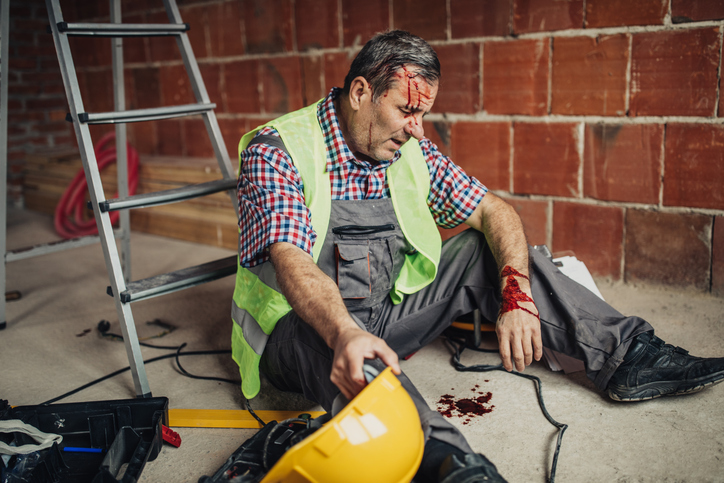
Many store-related injury claims involve slip and fall accidents. Wet floors, spilled liquids, recently mopped surfaces, leaking refrigeration units, and tracked-in snow or water can all create hazardous walking conditions. These dangers may be difficult for customers to notice before an accident occurs.
A spill alone does not automatically establish liability. One important question often involves whether the store knew or should have known about the hazard. If employees had sufficient time to discover and address the dangerous condition but failed to do so, negligence may be present.
Evidence often becomes critical in these cases. Surveillance footage, witness statements, photographs, and maintenance records may help establish how long the condition existed. These materials frequently play an important role during claim investigations.
Trip and Fall Hazards Can Also Lead to Injuries
Not all store accidents involve slippery surfaces. Customers may also suffer injuries because of tripping hazards throughout the property. Uneven flooring, loose mats, damaged carpeting, merchandise left in aisles, and exposed cords can all create dangerous conditions.
These hazards often become particularly problematic in busy retail environments. Customers naturally focus on products, displays, and shopping activities. Store owners are generally expected to consider how visitors move throughout the property when maintaining safe conditions.
As with slip and fall cases, proving negligence often requires showing that the store knew or should have known about the hazard. Inspection procedures and maintenance practices frequently become important issues. A detailed investigation can help clarify what occurred.
Notice Is Often a Key Issue in Store Injury Cases
One of the most important questions in many premises liability claims is whether the store had notice of the dangerous condition. Notice generally refers to knowledge of the hazard. A business may be responsible if it knew about the condition or if it existed long enough that it should have been discovered through reasonable inspections.
For example, if a spill remained on the floor for an extended period without being addressed, the store may have had an opportunity to identify and correct the danger. On the other hand, a hazard that appeared moments before the accident may present different issues. Each situation requires careful evaluation.
Evidence regarding inspections, cleaning schedules, employee observations, and customer complaints often becomes important. These details may help establish whether the business acted reasonably. Notice is frequently one of the most heavily disputed aspects of store injury claims.
Serious Injuries Can Result From Store Accidents
Some people assume that store falls only cause minor bruises or temporary discomfort. In reality, these accidents can lead to significant injuries. Broken wrists, fractured hips, spinal injuries, traumatic brain injuries, and shoulder injuries are all possible outcomes.
Older adults may face especially serious consequences after a fall. Recovery periods can be lengthy, and some injuries may result in long-term limitations. Even younger individuals may experience substantial medical expenses and missed work.
The severity of the injury often affects the value of a potential claim. Medical records, treatment history, and future care needs frequently become important when evaluating damages. Thorough documentation helps establish the full impact of the accident.
Evidence Can Make a Significant Difference
Store owners and insurance companies often investigate accidents immediately after they occur. As a result, preserving evidence as quickly as possible can be extremely important. Evidence helps establish both liability and damages.
Photographs of the accident scene may capture conditions before they change. Witnesses may provide independent accounts of what occurred. Surveillance footage may show how long the hazard existed before the fall.
Strong evidence often helps answer key questions regarding negligence. Without supporting documentation, claims may become more difficult to prove. Early preservation efforts can strengthen a case significantly.
Important Evidence Often Includes Multiple Sources
Successful premises liability claims are rarely built on a single piece of proof. Instead, multiple forms of evidence often work together to establish what happened and why the store may be responsible. Comprehensive documentation frequently strengthens negotiations and litigation.
Useful evidence may include:
- Photographs of the hazardous condition
- Surveillance camera footage
- Witness statements
- Medical records
- Store maintenance and inspection records
Each source provides different information about the accident. Together, these materials often help create a clearer picture of the circumstances surrounding the injury. A thorough investigation frequently reveals valuable supporting evidence.
Government Resources Help Explain Retail Safety Responsibilities
Several government agencies provide information regarding accident prevention, hazard identification, and safety practices. While these organizations do not determine liability in individual premises liability claims, their resources help explain the importance of maintaining safe environments for visitors and customers. These materials provide useful context regarding retail safety.
The Occupational Safety and Health Administration publishes educational materials regarding slip, trip, and fall hazards, maintenance procedures, and accident prevention. Although OSHA primarily focuses on workplace safety, many of its principles apply to conditions that affect customers in commercial settings. These resources help illustrate how preventable hazards can develop.
The National Safety Council provides information regarding injury prevention and environmental safety risks. Its publications discuss common causes of falls and strategies for reducing accidents in public and private spaces. These materials highlight the importance of identifying and addressing dangerous conditions promptly.
A Claim Involves More Than Proving You Fell
Many people assume that proving a fall occurred is enough to establish liability. In reality, a premises liability claim typically requires additional evidence. The injured person usually must demonstrate that a dangerous condition existed and that the store failed to address it reasonably.
Stores often argue that they had no notice of the hazard or that the customer was responsible for the accident. These defenses can make claim investigations more complex. Thorough evidence gathering often becomes essential when responding to these arguments.
The legal focus is generally on whether the store acted reasonably under the circumstances. Every case involves unique facts that require individual evaluation. Understanding these issues helps clarify how premises liability claims are analyzed.
Early Action Often Strengthens a Store Injury Claim
The period immediately following an accident is often critical. Hazardous conditions may be cleaned, repaired, or removed. Surveillance footage may be overwritten, and witnesses may become difficult to locate.
Taking action quickly can help preserve important information before it disappears. Medical treatment, photographs, witness contact information, and incident reports may all strengthen a potential claim. The sooner evidence is gathered, the easier it often becomes to establish what happened.
Early investigation also helps identify legal issues that may affect the claim. Understanding your options sooner rather than later often provides significant advantages. Prompt action frequently leads to stronger evidence and a clearer understanding of the case.
Speak With Horn Wright, LLP, About a Store Fall Injury in Burlington
If you were injured after falling at a store in Burlington, you may have the right to pursue compensation if unsafe property conditions contributed to the accident. Horn Wright, LLP, helps injured individuals investigate store-related accidents, gather evidence, and pursue claims against negligent property owners and businesses. To discuss your situation during a confidential consultation, contact our Burlington premises liability lawyers today at 802-328-9098.

What Sets Us Apart From The Rest?
Horn Wright, LLP is here to help you get the results you need with a team you can trust.
-
Client-Focused ApproachWe’re a client-centered, results-oriented firm. When you work with us, you can have confidence we’ll put your best interests at the forefront of your case – it’s that simple.
-
Creative & Innovative Solutions
No two cases are the same, and neither are their solutions. Our attorneys provide creative points of view to yield exemplary results.
-
Experienced Attorneys
We have a team of trusted and respected attorneys to ensure your case is matched with the best attorney possible.
-
Driven By Justice
The core of our legal practice is our commitment to obtaining justice for those who have been wronged and need a powerful voice.