


What If My Child Was Injured on Unsafe Property in Burlington, VT?
Property Owners Often Owe Special Consideration to Child Visitors
Children interact with their surroundings differently than adults. They are naturally curious, may not recognize hazards, and often explore unfamiliar environments without fully appreciating the risks involved. Because of this, property owners sometimes have different safety considerations when children are likely to be present.
A child injury can happen almost anywhere. Apartment complexes, retail stores, playgrounds, schools, recreational facilities, restaurants, event venues, and private properties may all contain conditions that create dangers for young visitors. When unsafe property conditions contribute to an injury, parents are often left searching for answers about what happened and who may be responsible.
Working with experienced Burlington premises liability attorneys can help determine whether negligence played a role in a child's injury. At Horn Wright, LLP, our attorneys investigate property conditions, maintenance practices, and safety decisions that may have contributed to preventable accidents involving children.
Children Often Encounter Risks Adults Would Avoid
One reason child injury cases are different from many other premises liability claims is that children frequently interact with hazards in unexpected ways. An adult may immediately recognize a dangerous condition and avoid it. A child may view the same condition as something interesting to explore.
Young children often focus on play, movement, and discovery rather than safety. They may climb structures, chase objects, open gates, or approach areas that appear attractive without understanding the risks. Property owners who expect children to be present are often expected to account for these realities.
This does not mean property owners are responsible for every accident involving a child. However, the presence of children may influence what precautions are considered reasonable. Understanding how the child was injured often requires examining the situation from a child's perspective.
Attractive Features Can Sometimes Create Hidden Dangers
Certain property features naturally attract children. Pools, playground equipment, trampolines, construction materials, decorative water features, abandoned structures, and unsecured machinery may all draw attention. What appears harmless at first glance may actually present serious risks.
The legal concept often referred to as an "attractive nuisance" recognizes that some hazards are especially likely to attract children. Property owners may be expected to take reasonable steps to secure these dangers when children are likely to encounter them. The goal is to reduce foreseeable risks before injuries occur.
Each situation depends on the specific facts involved. The nature of the hazard, the child's age, and the property's condition may all affect how liability is evaluated. Thorough investigation is often necessary.
Apartment Complexes Often Present Child Safety Concerns
Apartment communities frequently serve families with children. Common areas such as parking lots, sidewalks, stairwells, courtyards, playgrounds, and recreational spaces often become gathering places for young residents. Maintaining these areas safely is often an important responsibility.
Children may play in areas where vehicle traffic is present or where maintenance issues create hazards. Broken playground equipment, damaged fencing, exposed utilities, and unsafe walkways may increase risks. Property owners often know that children regularly use these spaces.
Because apartment complexes contain numerous shared areas, identifying who controlled the location of the injury is often important. Property managers, landlords, and maintenance companies may all play a role. Understanding those responsibilities can help clarify liability issues.
Playgrounds Require More Than Routine Maintenance
Playgrounds are designed to encourage physical activity, exploration, and recreation. However, they also require regular inspections and maintenance to remain safe. Equipment that appears functional may contain hidden problems capable of causing serious injuries.
Loose bolts, broken swings, damaged slides, deteriorating surfaces, and exposed hardware can create dangers. Playground surfacing is also important because it may affect the severity of injuries when falls occur. Maintenance practices frequently become a central issue after a playground accident.
Playgrounds located at schools, apartment complexes, parks, and recreational facilities may involve different ownership structures. Determining who was responsible for inspections and repairs is often a key part of the investigation. These cases sometimes involve multiple parties.
Water Hazards Can Pose Significant Risks to Children
Children are often drawn to water, making pools and other water features particularly important in child injury cases. Residential pools, apartment complex pools, splash areas, ponds, and decorative water features may all create risks if proper safety measures are not maintained.
Fencing, gates, locks, warning signs, and supervision policies frequently become important considerations. Even a brief lapse in safety measures can create dangerous situations. Property owners who maintain water features are often expected to recognize these risks.
Water-related incidents can result in devastating injuries. Because of the serious consequences involved, investigations often focus heavily on whether appropriate safeguards were in place. The property's overall safety design may receive close scrutiny.
Children's Injuries May Affect Development and Future Activities
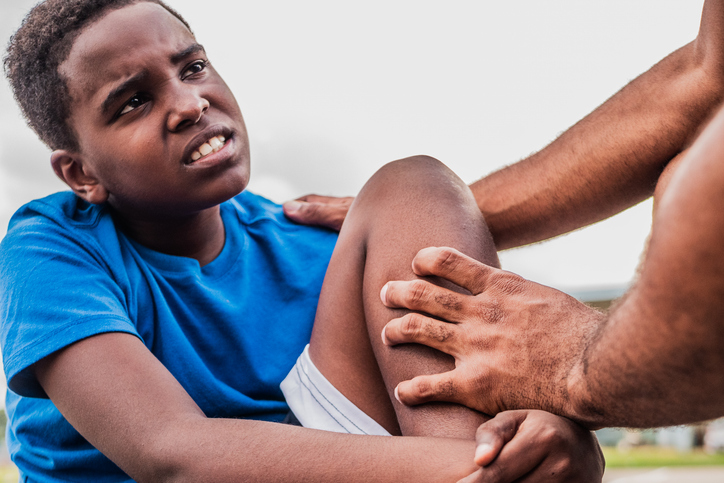
A child's injury often raises concerns that differ from those involving adults. Medical treatment is important, but parents may also worry about long-term development, educational progress, and future activities. The effects of an injury can extend well beyond the initial recovery period.
A broken bone may interfere with sports participation. A head injury may affect school performance or cognitive development. Serious injuries sometimes require ongoing therapy, rehabilitation, or specialized care. These concerns often become part of the overall damages evaluation.
Because children continue to grow and develop, the full impact of an injury may not be immediately clear. Medical providers sometimes monitor a child's progress over an extended period. Understanding future needs can be an important aspect of the case.
Property Design Can Influence Child Safety
The design of a property may affect how easily children encounter dangerous conditions. Features such as fencing, barriers, gates, visibility lines, and access controls often play a role in preventing injuries. Poor design choices can sometimes increase risks.
For example, a playground located adjacent to a parking lot may require protective barriers. A pool area may need secure access controls to prevent unsupervised entry. These types of design decisions are often evaluated when investigating child injury claims.
Property owners frequently make choices regarding safety features long before an accident occurs. Understanding those decisions may help explain how a hazardous condition developed. Design-related issues sometimes become significant factors in litigation.
Maintenance Records Can Reveal How Safety Was Managed
Child injury investigations often involve a close examination of maintenance practices. Property owners may maintain records showing inspections, repairs, safety reviews, and reported hazards. These documents can provide valuable insight into how the property was managed before the injury occurred.
Potentially useful records may include:
- Maintenance logs
- Inspection reports
- Repair requests
- Playground safety evaluations
- Property management communications
These materials may reveal whether hazards were identified before the incident occurred. They can also help establish how safety concerns were addressed. Thorough record review is often important.
Information Parents Can Preserve After an Accident
The period immediately following a child's injury is understandably stressful. Medical care and emotional support often become the primary focus. However, preserving information when possible may help clarify what happened and support a later investigation.
Helpful information may include:
- Photographs of the area
- Witness contact information
- Incident reports
- Medical records
- Information regarding property ownership
These materials may help establish how the injury occurred and who may have been responsible. Even details that seem minor initially can become important later. Early documentation is often beneficial.
Government Resources Help Explain Child Safety and Injury Prevention
Several government agencies provide information regarding child safety, injury prevention, and environmental hazards. While these organizations do not determine liability in individual premises liability claims, their resources help explain why proactive safety measures are important. These materials provide useful context regarding risks facing children.
The Centers for Disease Control and Prevention publishes information regarding childhood injuries, fall prevention, recreational safety, and environmental hazards. Its educational resources discuss many of the factors that contribute to injuries involving children.
The U.S. Consumer Product Safety Commission provides guidance regarding playground safety, recreational equipment, product hazards, and injury prevention. Its resources help illustrate how property conditions and safety features may affect child safety.
Child Injury Cases Often Require Looking at the Property Through Different Eyes
Investigating a child's injury frequently involves examining the property from a perspective that differs from traditional premises liability cases. Conditions that may seem obvious to adults are not always obvious to children. Understanding how a child interacted with the environment often provides important context.
Property owners who know children are likely to be present may need to consider risks differently than they would for adult visitors. Evaluating those responsibilities often requires a careful review of the property, the hazard, and the circumstances surrounding the injury. A thorough investigation frequently provides the clearest understanding of what happened.
Speak With Horn Wright, LLP, About a Burlington Child Injury Claim
If your child was injured because of unsafe conditions on someone else's property in Burlington, you may have the right to pursue compensation for medical expenses, future care needs, and other losses. Horn Wright, LLP, helps families investigate dangerous property conditions, identify responsible parties, and pursue premises liability claims when preventable hazards contribute to childhood injuries. To discuss your situation during a confidential consultation, contact our Burlington premises liability lawyers today at 802-328-9098.

What Sets Us Apart From The Rest?
Horn Wright, LLP is here to help you get the results you need with a team you can trust.
-
Client-Focused ApproachWe’re a client-centered, results-oriented firm. When you work with us, you can have confidence we’ll put your best interests at the forefront of your case – it’s that simple.
-
Creative & Innovative Solutions
No two cases are the same, and neither are their solutions. Our attorneys provide creative points of view to yield exemplary results.
-
Experienced Attorneys
We have a team of trusted and respected attorneys to ensure your case is matched with the best attorney possible.
-
Driven By Justice
The core of our legal practice is our commitment to obtaining justice for those who have been wronged and need a powerful voice.