


What If I Was Injured at a Public Building in Burlington, VT?
Injuries at Public Buildings Often Raise Different Legal Questions
Many people enter public buildings without giving much thought to who owns or manages the property. City offices, libraries, courthouses, municipal facilities, public meeting spaces, and other government-operated buildings serve thousands of Burlington residents and visitors every year. While these facilities are intended to be safe and accessible, accidents can still happen when dangerous conditions are present.
An injury at a public building may create challenges that differ from those found in a typical premises liability claim against a private business. Questions involving government ownership, maintenance responsibilities, reporting requirements, and legal deadlines can affect how a claim proceeds. Understanding these issues can help injured individuals better evaluate their options after an accident.
Working with experienced Burlington premises liability attorneys can help determine whether a government entity or another responsible party may be liable for your injuries. At Horn Wright, LLP, our attorneys investigate dangerous property conditions and evaluate the unique legal issues that often arise when public buildings are involved.
Public Buildings Must Remain Reasonably Safe for Visitors
Government ownership does not eliminate the responsibility to maintain reasonably safe property conditions. Public buildings are frequently used by residents seeking services, attending meetings, paying taxes, obtaining permits, or participating in community events. These visitors generally have the right to expect reasonably safe premises.
Like private property owners, public entities are often expected to inspect facilities, address hazards, and perform necessary maintenance. Dangerous conditions may develop gradually because of aging infrastructure, heavy foot traffic, or deferred repairs. When those conditions are ignored, the risk of injury can increase substantially.
Many public buildings operate year-round and receive constant use. Entryways, hallways, stairwells, elevators, waiting areas, and parking facilities often require ongoing maintenance. The failure to properly maintain these spaces can lead to serious accidents.
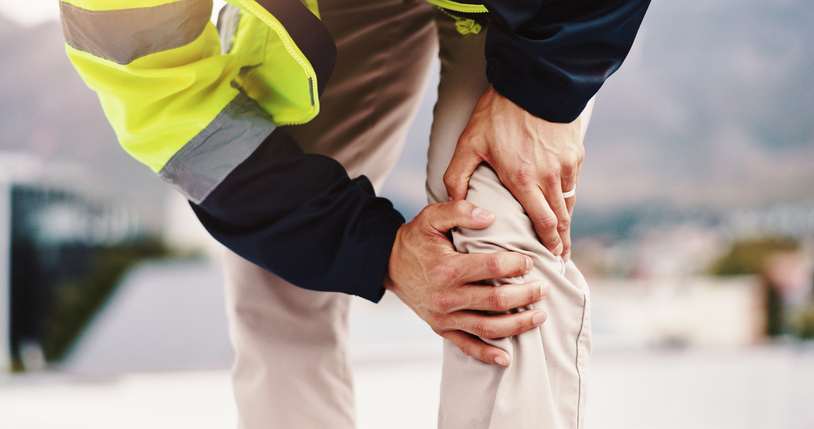
Aging Government Buildings Can Create Unique Hazards
Many public buildings in Vermont have been in use for decades. Older facilities may contain structural features that require ongoing attention and maintenance. While age alone does not make a building unsafe, neglected repairs can create significant risks.
Worn flooring, deteriorating staircases, loose railings, cracked sidewalks, outdated lighting systems, and damaged entryways may all contribute to accidents. Some hazards develop slowly and become more dangerous over time if repairs are delayed. The history of maintenance often becomes an important factor when evaluating liability.
Older buildings may also present accessibility concerns. Conditions that make navigation difficult for elderly visitors or individuals with mobility limitations may increase the likelihood of injury. These circumstances often require careful investigation.
When Multiple Agencies Share Responsibility
One unique aspect of public building cases is that multiple entities may sometimes share responsibility for the property. A building may be owned by one government agency, maintained by another department, and serviced by outside contractors. Determining who controlled the area where the accident occurred can become an important part of the investigation.
For example, a city-owned facility may utilize private contractors for snow removal, janitorial services, or building maintenance. If a dangerous condition develops because of negligent maintenance work, liability questions may extend beyond the government itself. Multiple parties may need to be evaluated.
Identifying who had responsibility for inspections, repairs, and maintenance often requires a detailed review of contracts and operational procedures. This process can be more complex than a typical private-property claim. Early investigation is often beneficial.
Accessibility Problems May Contribute to Injuries
Public buildings are often expected to provide safe access to individuals with varying physical abilities. Entrances, ramps, elevators, walkways, and common areas should allow visitors to safely move throughout the facility. When accessibility features are poorly maintained, injuries may occur.
A damaged wheelchair ramp, malfunctioning automatic door, broken elevator, or deteriorating handrail may create hazards for many visitors. These conditions can affect not only individuals with disabilities but also elderly visitors, parents with strollers, and others who rely on safe access routes.
Maintenance records frequently become important when evaluating accessibility-related accidents. Prior complaints, repair requests, and inspection reports may reveal whether known problems existed before the injury occurred. These issues often play a significant role in the investigation.
Weather-Related Hazards Often Create Problems Outside Public Buildings
The area surrounding a public building can be just as important as the building itself. Visitors must often use sidewalks, parking lots, entryways, and exterior stairways before reaching the facility. These areas require regular maintenance throughout the year.
During Burlington winters, snow and ice accumulation can create particularly dangerous conditions. Slippery sidewalks, untreated walkways, and refrozen ice patches may increase the risk of falls. Property managers are often expected to implement reasonable snow and ice removal practices.
Rain, drainage issues, and seasonal deterioration can also create hazards. Exterior maintenance responsibilities frequently become a major issue in public building injury claims. Understanding who was responsible for those areas is often essential.
Incident Reports May Play a Larger Role Than in Private Property Cases
Public facilities often have formal procedures for documenting accidents. Employees may be required to prepare reports, notify supervisors, and preserve information when an injury occurs on government property. These procedures can create records that become important later.
An incident report does not automatically establish liability. However, it may help confirm when and where the accident occurred. It may also identify witnesses, employees, or departments involved in responding to the situation.
Because government facilities often follow specific reporting protocols, obtaining information early may be particularly important. Records may eventually become subject to retention policies or administrative procedures. Preserving documentation often strengthens a claim.
Deadlines Can Be Different When Government Property Is Involved
One of the most significant differences between public building claims and other premises liability cases involves procedural requirements. Claims involving government entities sometimes involve notice requirements, administrative procedures, or deadlines that differ from ordinary injury claims.
Missing a required deadline can create serious obstacles. Certain claims may require action much sooner than people expect. This is one reason why investigating the ownership and operation of the property early can be extremely important.
The specific requirements often depend on the governmental entity involved and the circumstances surrounding the injury. Understanding these procedural rules is often a critical part of protecting legal rights. Delays may create unnecessary complications.
Helpful Information to Preserve After a Public Building Injury
Public building injury claims often involve multiple records and sources of information. Preserving evidence early may help clarify how the accident occurred and who may be responsible. The more information that is available, the easier it may be to evaluate liability.
Important information may include:
- Photographs of the hazardous condition
- Incident report details
- Witness contact information
- Medical records
- Communications with government employees
Each of these items may contribute valuable information to the investigation. Together, they often provide a more complete understanding of the circumstances surrounding the injury.
Records Requests Can Sometimes Reveal Important Information
Government entities often maintain extensive records concerning inspections, repairs, maintenance activities, and building operations. In some situations, these records may help explain how a dangerous condition developed and whether prior concerns were raised.
Potentially useful records may include:
- Maintenance logs
- Repair histories
- Inspection reports
- Contractor agreements
- Prior complaint records
These documents may provide valuable insight into the property's condition before the accident occurred. Thorough investigation often uncovers information that is not immediately visible. Building a strong claim frequently involves reviewing these materials carefully.
Government Resources Help Explain Building Safety Responsibilities
Several government agencies provide information regarding public building maintenance, accessibility, and environmental safety. While these organizations do not determine liability in individual injury claims, their resources help explain the importance of maintaining safe facilities for visitors. These materials provide useful context regarding property management responsibilities.
The U.S. Access Board provides guidance concerning accessibility standards, building access, and public facility design. Its resources help explain why maintaining safe access routes and common areas is important for visitors of all abilities.
The General Services Administration publishes information regarding facility management, public building operations, and property maintenance practices. These materials help illustrate the importance of regular inspections and ongoing upkeep within publicly accessible buildings.
Public Building Cases Often Require a Detailed Investigation
Injuries occurring on government-owned property frequently involve more layers of responsibility than traditional premises liability claims. Ownership structures, maintenance contracts, inspection records, and procedural requirements can all influence how a case develops. Understanding these factors often requires careful investigation.
Determining who controlled the property, who performed maintenance, and whether known hazards existed beforehand is often critical. Public building claims rarely involve simple answers. A thorough review of the facts usually provides the clearest understanding of what happened and who may be responsible.
Speak With Horn Wright, LLP, About a Burlington Public Building Injury
If you were injured at a public building in Burlington because of dangerous property conditions, you may have the right to pursue compensation for your injuries and related losses. Horn Wright, LLP, helps injured individuals investigate government property accidents, identify responsible parties, and pursue premises liability claims when negligence contributes to harm. To discuss your situation during a confidential consultation, contact our Burlington premises liability lawyers today at 802-328-9098.

What Sets Us Apart From The Rest?
Horn Wright, LLP is here to help you get the results you need with a team you can trust.
-
Client-Focused ApproachWe’re a client-centered, results-oriented firm. When you work with us, you can have confidence we’ll put your best interests at the forefront of your case – it’s that simple.
-
Creative & Innovative Solutions
No two cases are the same, and neither are their solutions. Our attorneys provide creative points of view to yield exemplary results.
-
Experienced Attorneys
We have a team of trusted and respected attorneys to ensure your case is matched with the best attorney possible.
-
Driven By Justice
The core of our legal practice is our commitment to obtaining justice for those who have been wronged and need a powerful voice.