

Can I Sue After Falling on Broken or Uneven Flooring in Burlington, VT?
Dangerous Flooring Conditions Can Lead to Valid Premises Liability Claims
Most people do not expect the floor beneath them to create a serious safety hazard. Whether you are shopping at a retail store, visiting an office building, dining at a restaurant, or walking through an apartment complex, you generally expect walking surfaces to be reasonably safe. When broken or uneven flooring causes a fall, the resulting injuries can be significant.
A fall caused by damaged flooring may lead to broken bones, head injuries, back injuries, and other medical complications. These accidents can occur suddenly and leave victims facing mounting medical expenses, lost income, and lengthy recovery periods. Under certain circumstances, a property owner may be held responsible for failing to address dangerous flooring conditions.
Working with experienced Burlington premises liability attorneys can help determine whether negligence contributed to the accident. At Horn Wright, LLP, our attorneys investigate hazardous property conditions, review maintenance practices, and evaluate evidence to determine whether a premises liability claim may exist. Understanding how these cases are analyzed can help clarify your legal options.
Property Owners Must Take Reasonable Steps to Maintain Safe Walking Surfaces
Property owners generally have a duty to maintain reasonably safe conditions for visitors, customers, tenants, and guests. This responsibility extends to floors, walkways, stairways, and other surfaces people regularly use. When flooring becomes damaged or uneven, the risk of accidents may increase substantially.
The law does not require property owners to guarantee absolute safety. However, it does expect them to act reasonably when dangerous conditions arise. This often includes inspecting the property, addressing known hazards, and warning visitors about risks that cannot be immediately corrected.
Whether a property owner acted reasonably depends on the facts of the case. Factors such as the nature of the hazard, the length of time it existed, and the owner's maintenance efforts often become important. Each claim requires an individualized evaluation.
Uneven Flooring Can Create Unexpected Tripping Hazards
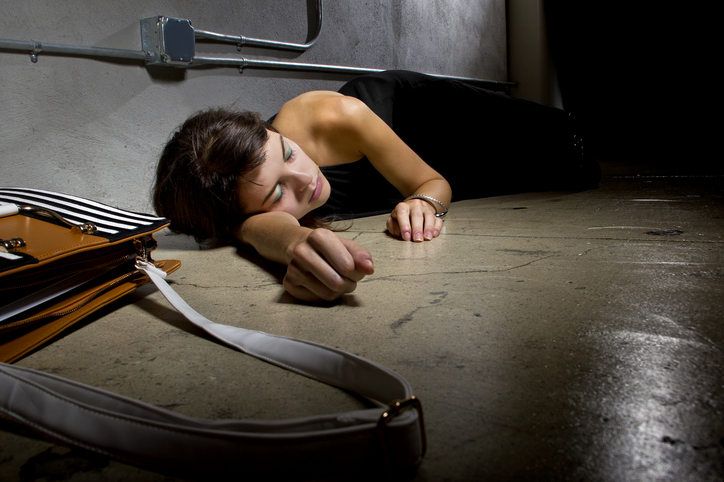
Uneven flooring is one of the most common causes of trip and fall accidents. Changes in floor elevation, raised surfaces, loose tiles, buckled flooring materials, and damaged transitions between walking areas can all create hazards. These conditions may not always be obvious to visitors.
In many situations, people are focused on their surroundings rather than examining every step they take. Customers may be looking at merchandise, tenants may be carrying packages, and visitors may be navigating unfamiliar spaces. Property owners are generally expected to anticipate these realities when maintaining their premises.
Even relatively small floor defects can create significant risks. A slight height difference between flooring surfaces may be enough to cause a person to lose balance and fall. The severity of the hazard often depends on its location and visibility.
Broken Flooring Can Indicate Maintenance Problems
Broken flooring often develops because of wear, deterioration, water damage, or inadequate repairs. Cracked tiles, damaged wood flooring, loose floorboards, torn carpeting, and deteriorating concrete surfaces may all create dangerous conditions. These hazards frequently worsen if left unaddressed.
Property owners are generally expected to conduct reasonable inspections and respond when flooring defects are identified. Failure to repair damaged surfaces may increase the likelihood of injuries. Maintenance records often become important when evaluating whether reasonable care was exercised.
The existence of broken flooring alone does not automatically establish liability. However, evidence showing that the owner knew about the condition and failed to address it may support a negligence claim. Investigation often focuses on these issues.
Notice Is Often a Critical Element of the Case
One of the most important questions in a premises liability claim is whether the property owner had notice of the dangerous condition. Notice refers to knowledge of the hazard. Establishing notice is frequently necessary when proving negligence.
Actual notice exists when the owner directly knew about the defect. For example, maintenance requests, customer complaints, or employee reports may demonstrate that the owner was aware of the problem before the accident occurred. These records often become important evidence.
Constructive notice may also apply. If the condition existed long enough that a reasonable inspection would have discovered it, the owner may still be responsible. Courts often evaluate how long the hazard was present and whether appropriate inspections occurred.
Commercial Properties Often Face Flooring-Related Claims
Businesses throughout Burlington welcome customers onto their properties every day. Retail stores, restaurants, hotels, office buildings, and shopping centers all rely on safe walking surfaces to protect visitors. Flooring defects in these environments can create substantial risks.
Heavy foot traffic may accelerate wear and tear. Flooring materials can loosen, crack, or deteriorate over time. Businesses that fail to monitor and maintain these conditions may face premises liability claims when injuries occur.
The responsibility to maintain safe premises often extends beyond simple repairs. Businesses may also need to implement inspection procedures and respond promptly when hazards are identified. Failure to do so may contribute to liability.
Serious Injuries Can Result From Flooring Defects
Falls caused by broken or uneven flooring can produce severe injuries. The sudden nature of a trip often leaves little time to react or protect oneself. Victims may strike the floor, nearby fixtures, or other hard surfaces during the fall.
Common injuries include fractures, shoulder injuries, knee injuries, wrist injuries, spinal injuries, and traumatic brain injuries. Some individuals require surgery, rehabilitation, and extensive medical treatment. Recovery may take months and sometimes longer.
Older adults often face additional challenges following a fall because mobility and independence may be affected. However, serious injuries can occur regardless of age. The physical, emotional, and financial consequences may be significant.
Evidence Can Help Establish Liability
Evidence frequently determines whether a premises liability claim succeeds. Flooring conditions may change after an accident, particularly if repairs are made shortly afterward. Preserving evidence as early as possible is often important.
Photographs taken immediately after the accident may document the condition of the floor before repairs occur. Images showing cracks, height differences, damaged flooring materials, or inadequate maintenance can become valuable evidence. These photographs often help establish the nature of the hazard.
Witness statements may also provide important information. Individuals who observed the accident or noticed the flooring defect beforehand may help establish notice and liability. Maintenance records and surveillance footage may further strengthen the claim.
Important Evidence Often Includes Multiple Sources
Successful flooring-related premises liability claims typically involve several forms of documentation. Each type of evidence contributes to a broader understanding of what happened and whether negligence occurred. A comprehensive investigation often produces the strongest results.
Useful evidence may include:
- Photographs of the flooring defect
- Witness statements
- Surveillance footage
- Maintenance and repair records
- Medical documentation
Each source helps establish different aspects of the claim. Together, these materials may provide a clearer picture of liability and damages. Thorough preparation often strengthens settlement negotiations and litigation.
Government Resources Help Explain Fall Risks and Property Safety
Several government agencies provide information regarding fall hazards, walking surfaces, and injury prevention. While these organizations do not determine liability in individual premises liability cases, their resources help explain how unsafe walking conditions contribute to accidents. These materials provide useful context regarding property maintenance responsibilities.
The National Institute for Occupational Safety and Health publishes educational materials concerning falls, environmental hazards, and injury prevention. Its research highlights the risks associated with uneven walking surfaces and poorly maintained flooring conditions. These resources help explain why hazard correction is important.
The Occupational Safety and Health Administration provides guidance regarding walking surfaces, maintenance practices, and accident prevention. Although OSHA primarily focuses on workplace safety, many of its principles apply to commercial properties that serve the public. These materials emphasize the importance of identifying and correcting dangerous conditions.
Property Owners Often Raise Defenses
Property owners and insurance companies frequently challenge flooring-related injury claims. One common argument is that the defect was open and obvious. They may claim that a reasonable person would have noticed the hazard and avoided it.
Another common defense involves comparative negligence. The owner may argue that the injured person was distracted or failed to pay attention while walking. These issues often become part of settlement discussions and litigation.
The existence of a defense does not automatically defeat a claim. Liability depends on the totality of the circumstances and the available evidence. Thorough investigation often helps clarify disputed facts.
Every Flooring Accident Requires an Individual Evaluation
No two premises liability claims involving flooring defects are exactly alike. The nature of the hazard, the property's maintenance history, the available evidence, and the severity of the injuries all influence how liability is evaluated. General assumptions rarely provide reliable answers.
Some flooring defects develop gradually over many months. Others appear suddenly because of damage, water intrusion, or construction issues. Determining whether negligence occurred requires a careful examination of the facts.
A detailed investigation often provides the clearest understanding of what happened and who may be responsible. Every case deserves individualized attention. Understanding the specific circumstances is essential when evaluating a potential claim.
Speak With Horn Wright, LLP, About a Burlington Flooring-Related Fall Accident
If you were injured after falling because of broken or uneven flooring, you may have the right to pursue compensation if a property owner's negligence contributed to the accident. Horn Wright, LLP, helps injured individuals investigate dangerous property conditions, preserve evidence, and pursue premises liability claims against responsible parties. To discuss your situation during a confidential consultation, contact our Burlington premises liability lawyers today at 802-328-9098.

What Sets Us Apart From The Rest?
Horn Wright, LLP is here to help you get the results you need with a team you can trust.
-
Client-Focused ApproachWe’re a client-centered, results-oriented firm. When you work with us, you can have confidence we’ll put your best interests at the forefront of your case – it’s that simple.
-
Creative & Innovative Solutions
No two cases are the same, and neither are their solutions. Our attorneys provide creative points of view to yield exemplary results.
-
Experienced Attorneys
We have a team of trusted and respected attorneys to ensure your case is matched with the best attorney possible.
-
Driven By Justice
The core of our legal practice is our commitment to obtaining justice for those who have been wronged and need a powerful voice.