


What If I Was Injured at a Burlington Grocery Store?
Grocery Store Accidents Can Lead to Premises Liability Claims
Grocery stores are places people visit every day without expecting to encounter serious hazards. Customers shop for food, household items, and other necessities while moving through aisles, produce sections, checkout areas, and parking lots. When dangerous conditions exist, however, an ordinary shopping trip can quickly turn into a painful and expensive experience.
An injury at a grocery store may result in medical bills, lost income, and weeks or months of recovery. Falls, falling merchandise, unsafe flooring, and poorly maintained property conditions can all cause significant harm. In some situations, an injured person may have the right to pursue compensation through a premises liability claim.
Working with experienced Burlington premises liability attorneys can help determine whether a grocery store's negligence contributed to an accident. At Horn Wright, LLP, our attorneys investigate hazardous conditions, preserve evidence, and evaluate whether a property owner's actions or inaction played a role in causing injuries. Understanding how these claims work can help you better evaluate your options after an accident.
Grocery Stores Have a Duty to Maintain Safe Conditions
Grocery stores invite customers onto their property for business purposes. Because of this, store owners and operators are generally expected to take reasonable steps to maintain safe conditions throughout the premises. This responsibility includes inspecting for hazards, addressing dangerous conditions, and warning customers when necessary.
The law does not require grocery stores to prevent every accident. However, businesses are generally expected to act reasonably when hazards arise. Failing to address known dangers may create liability when injuries occur.
Large grocery stores often experience constant foot traffic throughout the day. Employees stock shelves, clean floors, move inventory, and assist customers. These activities can create temporary hazards that require careful monitoring and prompt attention.
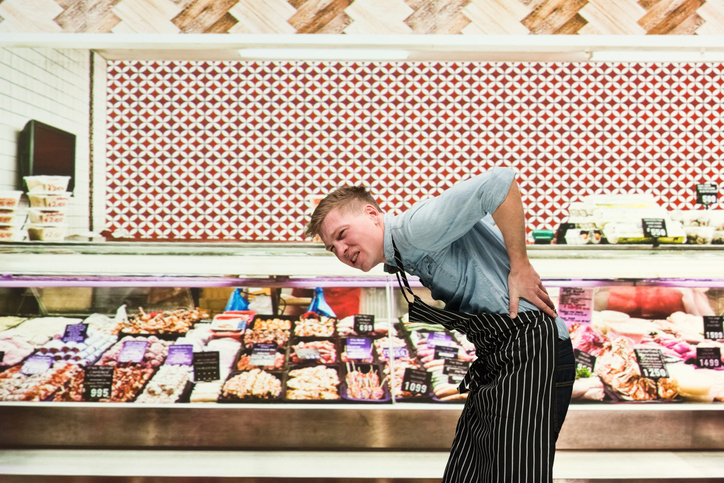
Slip and Fall Accidents Are Among the Most Common Grocery Store Injuries
Slip and fall accidents are one of the most frequent reasons people are injured in grocery stores. Liquids may spill onto floors, refrigeration units may leak, and customers may accidentally drop food or beverages. If these hazards are not addressed quickly, serious accidents can occur.
Produce sections often present additional risks because water is frequently used to keep fruits and vegetables fresh. Entryways can also become slippery during rain, snow, and winter weather. These conditions may create hazards that are difficult for customers to notice.
A fall can cause far more than minor bruising. Fractures, head injuries, back injuries, and torn ligaments are all possible outcomes. The severity of the injury often depends on the circumstances surrounding the accident.
Falling Merchandise Can Cause Serious Harm
Not every grocery store injury involves a fall. Merchandise stored on shelves, displays, and overhead racks can create risks if items are not secured properly. Heavy products that fall from elevated locations may strike customers and cause significant injuries.
Improper stocking practices sometimes contribute to these accidents. Products may be stacked too high, placed insecurely, or positioned in a manner that increases the likelihood of falling. Store employees are generally expected to consider customer safety when arranging merchandise.
Injuries caused by falling products may include head trauma, neck injuries, shoulder injuries, and facial injuries. Some victims require emergency medical treatment and ongoing care. Investigating how the merchandise was stored often becomes an important part of the claim.
Unsafe Flooring and Walkways May Contribute to Accidents
Grocery stores contain numerous walking surfaces that require ongoing maintenance. Damaged flooring, loose mats, uneven surfaces, broken tiles, and deteriorating walkways may all create tripping hazards. These conditions can increase the risk of serious injury.
Customers often focus on products, signs, and shopping lists while moving throughout the store. Property owners are generally expected to account for these realities when maintaining safe premises. Dangerous walking conditions that remain unaddressed may expose visitors to unnecessary risks.
Exterior areas may also create hazards. Sidewalks, entrances, parking lots, and cart return areas often require regular inspections and maintenance. Neglecting these areas may contribute to liability.
Notice Is Often a Critical Issue
One of the most important questions in many grocery store injury claims is whether the store knew or should have known about the dangerous condition. This concept is often referred to as notice. Establishing notice frequently plays a central role in proving negligence.
Actual notice exists when employees directly observe a hazard or receive reports about it. Constructive notice may exist when a dangerous condition remains present long enough that reasonable inspections should have discovered it. Both forms of notice may support a claim.
Maintenance records, cleaning schedules, surveillance footage, and employee reports often become important evidence. These materials may help establish how long the condition existed and what steps were taken to address it. Thorough investigation is frequently necessary.
Grocery Store Injuries Can Result in Significant Damages
The effects of a grocery store accident often extend well beyond the initial injury. Medical treatment, physical therapy, prescription medications, and rehabilitation services can create substantial expenses. Some individuals also miss work while recovering.
Serious injuries may affect a person's ability to perform daily activities. Household responsibilities, childcare obligations, and recreational activities may become more difficult. In some situations, long-term limitations develop that affect quality of life.
These losses often become part of a premises liability claim. Understanding the full impact of an injury is important when evaluating damages. Comprehensive documentation frequently helps establish the extent of those losses.
Evidence Can Be Extremely Important After a Grocery Store Accident
Evidence often determines whether a premises liability claim succeeds. Grocery store conditions can change quickly after an accident occurs. Spills are cleaned, displays are rearranged, and hazards may disappear before a formal investigation begins.
Photographs taken immediately after the incident can preserve valuable information. Images of the hazard, surrounding area, warning signs, and visible injuries may become important evidence later. Early documentation often strengthens a claim.
Witnesses may also provide useful information. Customers or employees who observed the accident may help establish what occurred. Surveillance footage frequently becomes one of the most valuable forms of evidence available.
Important Evidence May Include Several Sources
Successful grocery store injury claims often rely on multiple forms of supporting evidence. Each source helps establish different aspects of the accident and the resulting damages. A thorough investigation typically provides the strongest foundation for a claim.
Helpful evidence may include:
- Photographs of the hazard
- Witness statements
- Surveillance footage
- Incident reports
- Medical records
These materials may help establish both liability and damages. Together, they often provide a clearer picture of how the accident occurred. Comprehensive evidence frequently strengthens settlement negotiations and litigation.
Additional Documentation Can Strengthen a Claim
Beyond basic accident evidence, additional records may provide important insight into the store's maintenance practices. Businesses often maintain inspection logs, cleaning schedules, employee reports, and maintenance records. These documents may reveal whether hazards existed before the injury occurred.
Additional records that may be useful include:
- Cleaning and inspection logs
- Maintenance reports
- Employee incident records
- Internal safety procedures
- Prior complaint documentation
Each of these records may help establish notice and negligence. The availability of documentation often affects how a claim is evaluated. Thorough investigation frequently uncovers valuable evidence.
Government Resources Help Explain Safety and Fall Prevention
Several government agencies provide information regarding slip hazards, fall prevention, and environmental safety. While these organizations do not determine liability in individual premises liability claims, their resources help explain how dangerous conditions contribute to injuries. These materials provide useful context regarding safety responsibilities.
The National Institute for Occupational Safety and Health publishes research concerning falls, environmental hazards, and injury prevention. Its educational materials discuss many of the factors that contribute to slip and trip accidents. These resources help explain why hazard identification and correction are important.
The Occupational Safety and Health Administration provides guidance regarding walking surfaces, maintenance procedures, and accident prevention. Although OSHA primarily focuses on workplace environments, many of its safety principles are relevant to grocery stores and other commercial properties. These resources emphasize the importance of maintaining safe conditions.
Every Grocery Store Injury Claim Requires Individual Evaluation
No two grocery store accidents are exactly alike. The nature of the hazard, the available evidence, the store's maintenance practices, and the severity of the injuries all influence how a claim is evaluated. General assumptions rarely provide reliable answers regarding liability.
Some accidents involve hazards that existed for extended periods without attention. Others involve newly developed conditions that raise questions regarding inspections and response times. Determining whether negligence occurred requires a careful review of the facts.
A detailed investigation often provides the clearest understanding of what happened and who may be responsible. Every claim deserves individualized attention. Understanding the specific circumstances is essential when evaluating legal options.
Speak With Horn Wright, LLP, About a Burlington Grocery Store Injury
If you were injured at a grocery store because of unsafe property conditions, you may have the right to pursue compensation for your injuries and related losses. Horn Wright, LLP, helps injured individuals investigate dangerous conditions, preserve evidence, and pursue premises liability claims against negligent property owners and businesses. To discuss your situation during a confidential consultation, contact our Burlington premises liability lawyers today at 802-328-9098.

What Sets Us Apart From The Rest?
Horn Wright, LLP is here to help you get the results you need with a team you can trust.
-
Client-Focused ApproachWe’re a client-centered, results-oriented firm. When you work with us, you can have confidence we’ll put your best interests at the forefront of your case – it’s that simple.
-
Creative & Innovative Solutions
No two cases are the same, and neither are their solutions. Our attorneys provide creative points of view to yield exemplary results.
-
Experienced Attorneys
We have a team of trusted and respected attorneys to ensure your case is matched with the best attorney possible.
-
Driven By Justice
The core of our legal practice is our commitment to obtaining justice for those who have been wronged and need a powerful voice.