


Can I Sue After Falling on Snow or Ice in Burlington, VT?
Winter Property Hazards Can Lead to Serious Injury Claims
Winter weather is part of life in Burlington. Snowstorms, freezing temperatures, sleet, and icy conditions can transform sidewalks, parking lots, stairways, and entryways into dangerous areas for pedestrians. While many people expect to encounter some winter hazards, that does not mean property owners are free from responsibility when dangerous conditions cause injuries.
A fall on snow or ice can lead to much more than temporary soreness. Victims may suffer broken bones, head injuries, back injuries, torn ligaments, and other serious medical conditions that require extensive treatment. When a property owner's failure to address hazardous winter conditions contributes to an accident, a premises liability claim may be possible.
Working with experienced Burlington premises liability attorneys can help determine whether negligence played a role in a winter-related accident. At Horn Wright, LLP, our attorneys investigate property conditions, maintenance practices, and evidence surrounding snow and ice accidents. Understanding how Vermont premises liability law applies to winter hazards can help clarify your options.
Property Owners Are Not Automatically Liable for Every Winter Fall
Many people assume that any fall involving snow or ice automatically creates a legal claim. Others believe the opposite and assume winter conditions always excuse property owners from responsibility. In reality, neither assumption is correct.
Property owners are generally expected to act reasonably under the circumstances. The law recognizes that snow and ice are natural weather conditions, but it also recognizes that owners may have responsibilities regarding inspections, snow removal, and hazard mitigation. Determining liability often depends on whether the owner responded reasonably to the conditions.
Every case involves unique facts. The timing of the storm, the location of the hazard, and the owner's maintenance efforts may all influence whether negligence occurred. A detailed investigation is often necessary before conclusions can be reached.
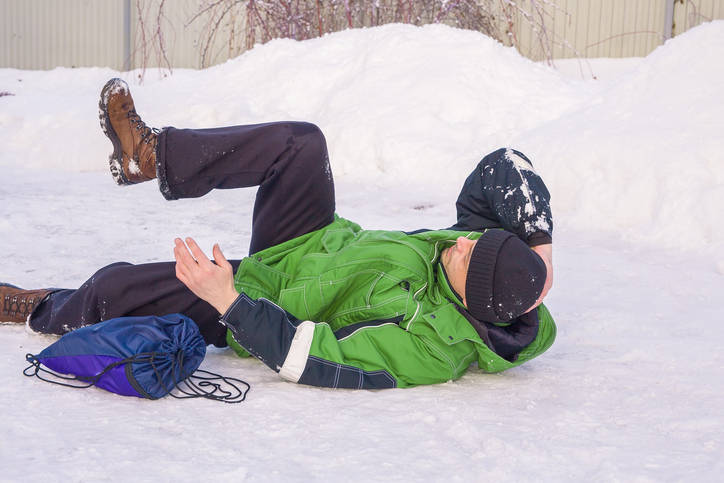
Businesses Often Have Responsibilities During Winter Weather
Commercial properties frequently experience heavy foot traffic throughout the winter months. Customers, tenants, delivery personnel, and visitors regularly enter and exit businesses despite challenging weather conditions. Because of this, property owners often implement snow and ice management procedures.
Parking lots, sidewalks, entrances, stairways, and walkways require particular attention. Snow accumulation, untreated ice patches, and melting snow that later refreezes can all create dangerous conditions. Failing to monitor these areas may increase the risk of injury.
The law generally focuses on reasonableness rather than perfection. Property owners are not expected to eliminate every winter hazard instantly. However, they may be expected to take reasonable measures to address dangerous conditions within an appropriate period of time.
Ice Can Be More Dangerous Than Snow
While snow-covered surfaces can create hazards, ice often presents even greater risks. Thin layers of transparent ice, commonly called black ice, may be extremely difficult to detect. Pedestrians may have little or no warning before losing their footing.
Ice frequently develops after snow begins to melt and temperatures later drop below freezing. Water may flow across sidewalks or parking lots before refreezing into slippery patches. These recurring conditions can create significant safety concerns if they are not addressed.
Property owners who are aware of recurring ice formation may be expected to take reasonable corrective action. The specific circumstances surrounding the condition often become important during a claim investigation. Evidence regarding prior complaints or maintenance efforts may also be relevant.
Notice Is Often a Key Issue in Snow and Ice Cases
As with many premises liability claims, notice often becomes one of the most important legal issues. The injured person generally must show that the property owner knew or should have known about the dangerous condition. Without notice, establishing negligence can become more difficult.
Actual notice may exist when the owner directly observed the hazard or received complaints about it. Constructive notice may arise when the condition existed long enough that reasonable inspections would have discovered it. Both forms of notice may play a role in snow and ice litigation.
Maintenance logs, weather records, employee observations, and witness testimony often become important sources of evidence. These materials may help establish what the owner knew and when that knowledge existed. Thorough investigation frequently focuses on these issues.
Timing Matters in Winter Premises Liability Claims
Winter weather can create rapidly changing conditions. A property owner may not be expected to remove snow or treat ice while a storm is actively occurring. However, responsibilities may change once the storm ends and reasonable cleanup efforts can begin.
Insurance companies often examine weather conditions carefully when evaluating claims. They may review snowfall amounts, temperatures, precipitation timing, and maintenance schedules. These details frequently become part of liability discussions.
The question is often whether the owner had a reasonable opportunity to address the hazard. This issue depends on the specific facts surrounding the accident. No single rule applies to every winter weather situation.
Serious Injuries Frequently Result From Winter Falls
Falls involving snow and ice can produce severe injuries. A sudden loss of footing often leaves little opportunity to brace for impact. As a result, victims may strike the ground, nearby objects, or hard surfaces with significant force.
Common injuries include fractures, head injuries, shoulder injuries, hip injuries, spinal injuries, and soft tissue damage. Some individuals require surgery, rehabilitation, and extended medical treatment. Recovery periods may last months or even longer.
Older adults often face additional risks because falls can significantly affect mobility and independence. However, serious injuries can occur at any age. The physical and financial consequences of a winter fall may be substantial.
Evidence Can Be Critical After a Snow or Ice Accident
Evidence often determines whether a snow or ice claim succeeds. Unfortunately, winter conditions can change rapidly. Snow may be removed, ice may melt, and property conditions may look very different within hours of an accident.
Photographs taken immediately after the fall can preserve valuable information regarding the hazard. Images showing the snow, ice, surrounding conditions, and lack of treatment may become important evidence later. Witness observations may also help establish what existed at the time of the accident.
Prompt investigation is often beneficial because evidence can disappear quickly. Surveillance footage, maintenance records, and weather information may also become important. The sooner evidence is preserved, the stronger a claim may become.
Evidence Commonly Used in Snow and Ice Cases
Winter premises liability claims often involve multiple forms of documentation. Each type of evidence helps establish different aspects of the case. Together, these materials may help demonstrate negligence and damages.
Important evidence may include:
- Photographs of the snow or ice condition
- Surveillance footage
- Witness statements
- Weather records
- Maintenance and snow removal logs
No single piece of evidence automatically determines liability. Instead, investigators often review all available information together. A comprehensive approach frequently provides the clearest picture of what happened.
Government Resources Help Explain Winter Safety Hazards
Several government agencies provide information regarding winter weather risks, falls, and injury prevention. While these organizations do not determine liability in individual premises liability claims, their resources help explain how snow and ice contribute to accidents. These materials offer useful context regarding winter property safety.
The National Institute for Occupational Safety and Health publishes research regarding falls, environmental hazards, and injury prevention. Its educational materials discuss the risks associated with slippery walking surfaces and winter conditions. These resources help explain why snow and ice hazards require careful attention.
The National Weather Service provides information regarding winter weather conditions, freezing temperatures, snowfall events, and ice formation. Its resources help explain how weather patterns contribute to hazardous conditions. These materials often provide useful background information when evaluating winter accidents.
Insurance Companies Often Dispute Snow and Ice Claims
Property owners and insurers frequently challenge winter-related premises liability claims. They may argue that the weather conditions were obvious, that the owner lacked notice, or that reasonable maintenance efforts were underway. These defenses are common in snow and ice litigation.
Insurance companies may also attempt to place responsibility on the injured person. Arguments involving footwear, visibility, and comparative negligence often arise. These issues frequently become part of settlement negotiations and legal proceedings.
A claim denial does not necessarily mean compensation is unavailable. Liability decisions depend on the evidence and circumstances involved. Thorough investigation often helps clarify disputed issues.
Every Winter Fall Requires an Individual Analysis
No two snow and ice accidents are identical. Weather conditions, property maintenance efforts, inspection procedures, and the nature of the hazard can vary significantly from one case to another. Because of this, broad assumptions rarely provide accurate answers regarding liability.
Some claims involve hazards that existed for days without attention. Others involve conditions that developed shortly before the accident occurred. Determining whether negligence was present requires careful examination of the facts.
A detailed investigation often provides the best opportunity to understand what happened and who may be responsible. Every case deserves individualized attention. Understanding the specific circumstances is essential when evaluating a potential claim.
Speak With Horn Wright, LLP, About a Burlington Snow or Ice Fall Accident
If you were injured after falling on snow or ice on someone else's property, you may have the right to pursue compensation if unsafe conditions contributed to the accident. Horn Wright, LLP, helps injured individuals investigate winter-related accidents, preserve evidence, and pursue premises liability claims against negligent property owners. To discuss your situation during a confidential consultation, contact our Burlington premises liability lawyers today at 802-328-9098.

What Sets Us Apart From The Rest?
Horn Wright, LLP is here to help you get the results you need with a team you can trust.
-
Client-Focused ApproachWe’re a client-centered, results-oriented firm. When you work with us, you can have confidence we’ll put your best interests at the forefront of your case – it’s that simple.
-
Creative & Innovative Solutions
No two cases are the same, and neither are their solutions. Our attorneys provide creative points of view to yield exemplary results.
-
Experienced Attorneys
We have a team of trusted and respected attorneys to ensure your case is matched with the best attorney possible.
-
Driven By Justice
The core of our legal practice is our commitment to obtaining justice for those who have been wronged and need a powerful voice.