


Can I Sue After Being Injured by Falling Merchandise in Burlington, VT?
Falling Merchandise Accidents Are More Serious Than Many People Realize
Most shoppers walk through stores without thinking about how thousands of products are stored, stacked, and displayed around them. Retailers work hard to maximize space, showcase inventory, and keep shelves stocked throughout the day. While these efforts help businesses operate efficiently, they can also create hazards when merchandise is stored improperly.
A falling merchandise accident can happen in a matter of seconds. A heavy box may slide from an upper shelf, a display may collapse, or stacked products may shift unexpectedly. The injuries that follow can be severe and may leave victims facing medical treatment, lost income, and a lengthy recovery.
Working with experienced Burlington skip and fall attorneys can help determine whether unsafe storage practices contributed to the accident. At Horn Wright, LLP, our attorneys investigate retail safety practices, store operations, and inventory management decisions that may have played a role in causing preventable injuries.
Retail Stores Depend on Constant Inventory Movement
Unlike many premises liability cases that involve static hazards, falling merchandise claims often arise from ongoing business operations. Employees regularly restock shelves, rearrange displays, move inventory, and unload shipments. These activities create constant changes throughout the store environment.
A display that appeared safe in the morning may become unstable later in the day. Inventory may be moved to accommodate new shipments or seasonal promotions. Because conditions change frequently, retailers often need systems designed to reduce risks associated with merchandise handling.
Large retail stores can contain thousands of products stacked at varying heights. Customers generally assume those products have been placed safely. When that assumption proves incorrect, injuries can occur without warning.
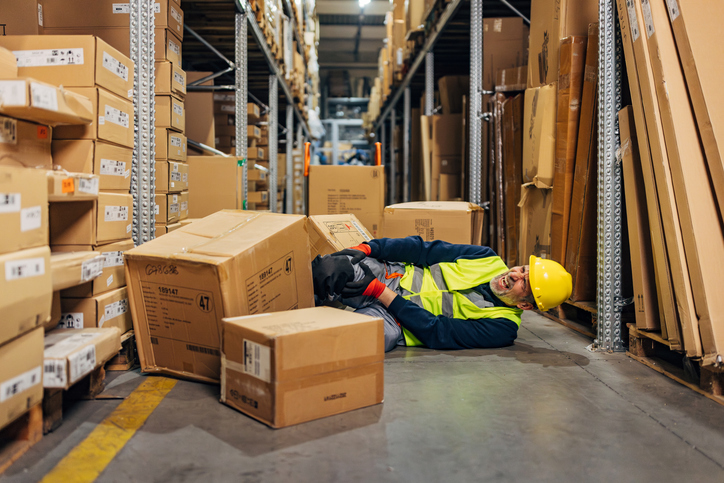
High Shelving Areas Often Receive Extra Attention During Investigations
Many falling merchandise incidents involve products stored on elevated shelving. Retailers often use upper storage areas to maximize floor space and maintain inventory levels. While this approach can be efficient, it may also increase risks if products are not secured properly.
Heavy items stored above customer walkways often receive close scrutiny after an accident. Investigators may examine how the merchandise was positioned, whether shelving systems were appropriate, and whether employees followed company procedures. The placement of the product itself frequently becomes an important issue.
The height of the shelving can also affect the severity of injuries. A product falling from several feet above may generate significant force upon impact. Even relatively small items can cause serious harm under the right circumstances.
Store Displays Can Create Unexpected Hazards
Retailers frequently build promotional displays to attract customer attention. Seasonal products, special sales, and featured merchandise often receive prominent placement throughout the store. While these displays can increase sales, they may also create safety concerns.
Display structures sometimes become unstable because of poor assembly, excessive weight, or repeated customer interaction. Merchandise may shift as customers remove products from one side while leaving other sections untouched. These changes can alter the display's balance over time.
Temporary displays may also receive less oversight than permanent shelving systems. Because they are frequently assembled and removed, opportunities for mistakes may increase. Investigators often examine how the display was constructed and maintained.
Warehouse-Style Retailers Present Unique Risks
Certain stores encourage customers to shop directly from warehouse-style shelving systems. These environments often feature large quantities of merchandise stored at substantial heights. The combination of customer access and elevated inventory can create unique safety challenges.
Forklifts, inventory lifts, and restocking equipment are commonly used in these settings. Merchandise may be moved while customers remain nearby. The timing and coordination of these activities sometimes become important factors when accidents occur.
Warehouse-style environments often rely on strict stocking procedures. When those procedures are not followed consistently, the risk of falling merchandise may increase. Operational practices frequently become a significant focus of the investigation.
Employee Training Can Influence Store Safety
Many falling merchandise cases involve questions regarding employee training. Workers responsible for stocking shelves, building displays, and handling inventory often receive instructions regarding safe storage practices. The quality of that training may become relevant after an accident.
Training programs may address weight limits, stacking techniques, shelf placement, and inventory handling procedures. Employees who lack proper guidance may unknowingly create dangerous conditions. Investigators often review whether training was adequate and whether company policies were followed.
Supervision can also play a role. Even well-designed procedures may fail if compliance is not monitored. Management practices frequently become part of the overall evaluation.
Product Packaging Sometimes Contributes to Falling Merchandise Accidents
Not every falling merchandise case stems solely from shelving problems. In some situations, the product's packaging may contribute to the incident. Damaged containers, defective packaging materials, or unstable product designs may increase the likelihood of merchandise falling unexpectedly.
A poorly designed box may collapse under normal storage conditions. Packaging that fails to support the product's weight may create hazards even when store employees follow standard procedures. These circumstances sometimes raise questions beyond ordinary premises liability issues.
Determining whether packaging played a role often requires careful analysis. Multiple parties may potentially share responsibility depending on the circumstances. Product manufacturers, distributors, and retailers may all become part of the investigation.
Injuries Often Involve More Than Head Trauma
Many people associate falling merchandise accidents with head injuries. While head trauma is certainly common, these incidents may cause a much wider range of injuries. The nature of the injury often depends on the size, weight, and location of the product involved.
Victims may suffer neck injuries, shoulder injuries, facial injuries, back injuries, fractures, and soft tissue damage. Some individuals instinctively attempt to catch falling items, resulting in hand, wrist, or arm injuries. The physical consequences can be substantial.
Medical treatment may continue long after the initial accident. Surgery, rehabilitation, and ongoing therapy are sometimes necessary. The long-term effects may influence both personal and professional aspects of a person's life.
Internal Retail Records Can Provide Important Information
Retail businesses often maintain extensive operational records. These documents may help explain how merchandise was stored, who handled inventory, and whether safety procedures were followed before the accident occurred. Such records frequently become valuable during an investigation.
Potentially useful records may include:
- Stocking procedures
- Employee training materials
- Inventory movement logs
- Safety inspection records
- Incident reports
These materials may provide insight into how the store operated before the injury occurred. They can help investigators evaluate whether established safety practices were followed consistently.
Information Customers Can Preserve After an Accident
The moments following a falling merchandise incident can be confusing. However, certain information may prove valuable later when evaluating what happened. Preserving details early may help clarify important facts.
Helpful information may include:
- Photographs of the merchandise and shelving
- Witness contact information
- Store employee names
- Medical treatment records
- Information regarding the product involved
This information may help establish how the accident occurred and who may be responsible. Early documentation often becomes particularly valuable when store conditions change shortly afterward.
Government Resources Help Explain Retail Safety Practices
Several government agencies provide information regarding material handling, storage practices, and workplace safety. While these organizations do not determine liability in individual premises liability claims, their resources help explain how merchandise storage practices can affect safety. These materials provide useful context regarding inventory management and hazard prevention.
The Occupational Safety and Health Administration publishes guidance regarding material storage, shelving safety, inventory handling, and workplace hazard reduction. Although OSHA primarily focuses on employee safety, many of its principles help explain why proper storage practices are important.
The National Institute for Occupational Safety and Health conducts research involving workplace hazards, material handling, and injury prevention. Its educational materials discuss risks associated with improperly stored objects and falling materials. These resources help illustrate how preventable accidents can occur.
Retail Injury Investigations Often Extend Beyond the Accident Scene
Falling merchandise claims frequently involve more than simply examining where the product landed. Investigators often evaluate stocking procedures, employee training, inventory practices, management decisions, and safety policies. Understanding the broader operational environment can help explain why the incident occurred.
A single falling box or display may actually reflect larger problems within a store's safety practices. Reviewing how the retailer managed inventory before the accident often provides important answers. A thorough investigation typically offers the clearest picture of potential liability.
Speak With Horn Wright, LLP, About a Burlington Falling Merchandise Injury
If you were injured by falling merchandise in a Burlington store, you may have the right to pursue compensation for your injuries and related losses. Horn Wright, LLP, helps injured individuals investigate retail safety failures, identify responsible parties, and pursue premises liability claims when unsafe inventory practices contribute to preventable harm. To discuss your situation during a confidential consultation, contact our Burlington premises liability lawyers today at 802-328-9098.

What Sets Us Apart From The Rest?
Horn Wright, LLP is here to help you get the results you need with a team you can trust.
-
Client-Focused ApproachWe’re a client-centered, results-oriented firm. When you work with us, you can have confidence we’ll put your best interests at the forefront of your case – it’s that simple.
-
Creative & Innovative Solutions
No two cases are the same, and neither are their solutions. Our attorneys provide creative points of view to yield exemplary results.
-
Experienced Attorneys
We have a team of trusted and respected attorneys to ensure your case is matched with the best attorney possible.
-
Driven By Justice
The core of our legal practice is our commitment to obtaining justice for those who have been wronged and need a powerful voice.