


Can I File a Claim Without a Police Report After a Burlington, VT Car Accident?
Understanding Your Options After a Burlington Crash Without Official Documentation
After a Burlington, VT car accident, many people assume they have no case if no police officer came to the scene or no report was filed. That belief creates a lot of stress at a time when life already feels difficult. You may be dealing with vehicle repairs, medical appointments, missed work, and calls from insurance adjusters. The good news is that a missing police report does not automatically prevent you from filing an insurance claim or pursuing compensation. Vermont law and insurance companies often consider many forms of evidence when evaluating an accident.
Working with experienced Burlington VT car accident attorneys can help you understand what evidence may support your claim when no official report exists. At Horn Wright, LLP, our attorneys understand how overwhelming the days after a crash can feel. Questions about fault, evidence, and insurance coverage can quickly pile up. When people are hurt in a Burlington car accident, they deserve clear answers about their legal options. Understanding how claims work without a police report can help you protect your rights and make informed decisions about what comes next.
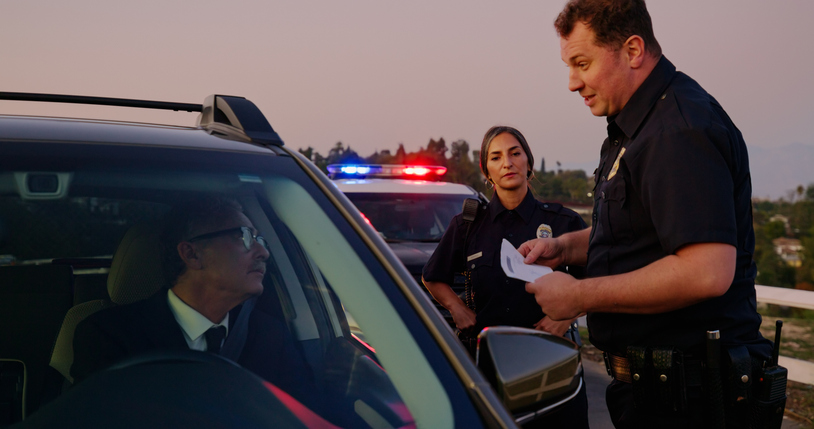
Do You Need a Police Report to File a Car Accident Claim in Burlington, VT?
A police report provides an official record of a collision, often including driver statements, witness information, vehicle positions, road conditions, and visible injuries. Insurance companies frequently review these reports because they offer an independent account of what happened. However, a police report is only one form of evidence used during a claim. Its absence does not automatically prevent an accident victim from seeking compensation.
Many Burlington, VT car accident claims proceed without police documentation because insurers rely on multiple sources of information when investigating a crash. Adjusters may examine photographs, medical records, repair estimates, witness statements, and communications between the parties involved. This situation often occurs when a crash initially appears minor or when law enforcement does not respond to the scene. Although a missing report can create additional challenges, strong supporting evidence can still help establish fault and damages.
Vermont Reporting Requirements After a Car Accident
Vermont law requires drivers to report certain accidents, particularly those involving injuries, fatalities, or significant property damage. When law enforcement responds, officers usually create an official accident report that may later serve as valuable evidence during an insurance claim or personal injury case. Vermont drivers can submit a crash report through the Vermont DMV when required. Understanding those obligations can help protect your legal rights and preserve your ability to seek compensation.
In Burlington, collisions along Interstate 89, Shelburne Road, and other busy routes often result in police involvement, though not every accident leads to an officer responding to the scene. Even without a police report, you may still have legal options available after a crash. Insurance companies and courts focus on the evidence that shows how the collision happened and what losses resulted. Strong documentation and prompt action can help support your claim when no official report exists.
Evidence You Can Use When No Police Report Exists
When no police report exists, evidence becomes the foundation of your claim. The stronger your documentation, the easier it becomes to show what happened and how the accident affected your life. Collecting evidence early can make a significant difference because physical conditions and witness memories change over time. Building a complete record from the beginning can help avoid disputes later in the claims process.
Several forms of evidence may help support a Burlington car accident claim:
- Photographs of vehicle damage and the accident scene
- Videos from dash cameras or nearby surveillance systems
- Witness statements and contact information
- Medical records and treatment notes
- Repair estimates and vehicle inspection reports
Each piece of evidence helps tell part of the story. Photos may reveal impact points and road conditions. Medical records connect injuries to the crash. Witnesses can provide independent observations that support your account. Together, these records help create a clearer picture of what occurred. The more supporting documentation you have, the stronger your position may be during negotiations.
Digital evidence also plays a growing role in accident investigations. Cell phone timestamps, GPS records, rideshare data, and other electronic records can help establish timelines and locations. When multiple forms of evidence point to the same conclusion, insurance companies often have a harder time disputing what happened. These records can also help verify details that might otherwise be difficult to prove.
How Insurance Companies Handle Claims Without a Police Report
Insurance companies do not automatically reject claims because a police report is missing. Instead, adjusters look for enough evidence to evaluate fault and damages. They review available records and compare statements from everyone involved. The investigation process may take longer because there is no official report to serve as a starting point.
Claims without police reports sometimes face additional scrutiny. Adjusters may question why law enforcement was not contacted. They may look more closely at inconsistencies in statements or ask for additional documentation. These challenges do not mean the claim lacks value. They simply mean the evidence must carry more weight.
There are practical steps that can strengthen your position during the claims process:
- Notify your insurer as soon as possible
- Preserve photographs and videos
- Keep copies of medical records and bills
- Save repair estimates and receipts
- Document communications with insurance representatives
- Follow recommended medical treatment
Prompt action shows that you take the claim seriously. It demonstrates a commitment to preserving accurate information from the beginning of the process. It also helps preserve evidence before it disappears. Important details can become harder to verify as time passes. Delays often create opportunities for insurers to question the connection between the accident and your injuries or losses. Acting quickly can reduce uncertainty and strengthen the overall claim.
Can You Still Recover Compensation for Injuries?
A police report does not determine whether you suffered injuries or financial losses. Injury claims focus on evidence showing that another party acted negligently and caused harm. If you can establish fault and document your damages, compensation may still be available. This is why gathering supporting records becomes so important after an accident.
Medical records often become one of the most important forms of evidence in these situations. Doctors document symptoms, diagnoses, treatment plans, and recovery progress. Those records help connect injuries to the collision. Seeking prompt medical care also protects your health by identifying injuries that may not appear immediately after a crash. Consistent treatment also creates a clearer timeline of your recovery.
Compensation in a Burlington car accident claim may include several categories of damages:
- Medical expenses
- Lost wages
- Future treatment costs
- Property damage
- Pain and suffering
These damages are intended to address both the financial and personal effects of the accident.
The value of a claim depends on the available evidence and the severity of the losses involved. Insurance companies often review treatment records, employment information, and repair documentation when evaluating damages. Comprehensive records provide a stronger foundation for recovering compensation. Detailed documentation can also help reduce disputes about the extent of your losses.
Special Issues in Hit-and-Run and Delayed Reporting Cases
Hit-and-run accidents present unique challenges because identifying the responsible driver can become difficult. Reporting the accident quickly often helps preserve evidence and improves the chances of locating witnesses or surveillance footage. Insurance coverage may also depend on timely notice requirements, making prompt action especially important. Even when the other driver cannot be identified immediately, available evidence may still support a claim.
Delayed reporting can make it harder to prove fault because memories fade, evidence disappears, and vehicle damage may be repaired before documentation occurs. Single-vehicle accidents may also involve road hazards or poor roadway conditions that place liability on another party. The National Highway Traffic Safety Administration, which regulates the safety of vehicles, provides resources that help drivers understand accident reporting and safety requirements. Accidents near Williston Road or Main Street may also involve witnesses or traffic cameras that provide valuable evidence when no police report exists.
Steps to Take If You Never Obtained a Police Report
If you did not obtain a police report after a Burlington, VT car accident, focus on gathering information that supports your claim. Time matters because evidence becomes harder to collect as days and weeks pass. Start by collecting photographs, medical records, repair estimates, insurance correspondence, and witness information related to the collision. Keep copies of everything in one place and contact nearby businesses that may have surveillance footage of the accident.
You should also notify your insurance company promptly if you have not already done so. Provide accurate information about the crash and cooperate with reasonable requests for documentation. Continue medical treatment as recommended and keep records of appointments, expenses, and symptoms. Consistent documentation can strengthen your claim and help support your position when no police report exists.
A Missing Police Report Does Not Always End Your Claim
A missing police report can create obstacles, but it does not automatically prevent you from pursuing compensation after a Burlington car accident. Strong evidence, timely action, and careful documentation often play a larger role than many people realize. Photographs, medical records, witness statements, and repair documentation can all help support a claim when no official report exists. If questions remain about your rights or the strength of your case, reach out at Horn Wright, LLP, to better understand your options through a confidential consultation. The sooner you evaluate the available evidence, the better positioned you may be to protect your interests and move forward with confidence.

What Sets Us Apart From The Rest?
Horn Wright, LLP is here to help you get the results you need with a team you can trust.
-
Client-Focused ApproachWe’re a client-centered, results-oriented firm. When you work with us, you can have confidence we’ll put your best interests at the forefront of your case – it’s that simple.
-
Creative & Innovative Solutions
No two cases are the same, and neither are their solutions. Our attorneys provide creative points of view to yield exemplary results.
-
Experienced Attorneys
We have a team of trusted and respected attorneys to ensure your case is matched with the best attorney possible.
-
Driven By Justice
The core of our legal practice is our commitment to obtaining justice for those who have been wronged and need a powerful voice.