


Do I Need a Lawyer After a Car Accident in Burlington, VT?
Understanding Your Rights, Insurance Challenges, and Recovery Options
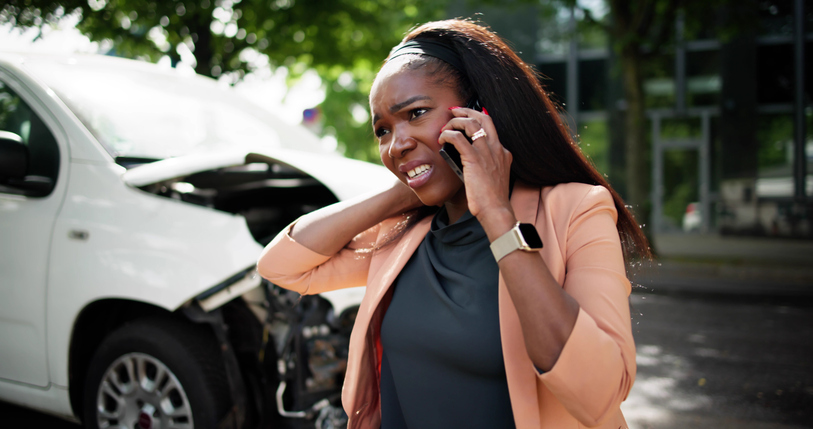
A car accident can turn an ordinary day upside down in seconds. One moment you're driving through Burlington, VT, and the next you're dealing with vehicle damage, medical appointments, insurance calls, and a growing list of questions. Many people feel stressed after a crash because they must manage physical recovery, financial concerns, and insurance issues at the same time. The answer to whether you need a lawyer depends on the details of your situation, the severity of your injuries, and how the insurance company responds to your claim.
Working with experienced Burlington, VT car accident attorneys can help injured people understand their legal options after a serious collision. Legal representation is not required in every case, but some claims become more complicated as evidence develops, injuries worsen, or liability disputes emerge. Understanding the factors that influence a claim can help accident victims make informed decisions about protecting their rights and pursuing compensation for their losses.
Understanding Vermont's Fault-Based Insurance System
Vermont follows a fault-based insurance system. Under this approach, the driver who causes an accident is generally responsible for the damages that result from the collision. Injured parties typically pursue compensation through the at-fault driver's insurance company, although other sources of recovery may sometimes be available depending on the circumstances.
Determining fault is not always straightforward. Insurance companies conduct investigations, review evidence, and evaluate statements from drivers and witnesses before making liability decisions. Different parties may interpret the same facts differently, which can lead to disagreements about who bears responsibility for the crash and to what extent.
Evidence plays a central role in resolving these disputes. Police reports, photographs, medical records, witness statements, and vehicle damage assessments can all help establish how an accident occurred. Strong documentation often improves the ability to demonstrate liability and support a claim for compensation. Understanding how Vermont's fault-based system works can help injured individuals navigate the claims process more effectively and recognize when additional legal guidance may be beneficial.
Situations Where You May Not Need a Lawyer
Not every collision requires legal representation. Some accidents involve only minor vehicle damage, no reported injuries, and clear evidence showing who caused the crash. In those situations, insurance companies may process claims efficiently and provide compensation for repairs without significant disagreement or delay.
Even when a claim appears simple, it is important to proceed carefully. Some injuries take time to develop and may not become apparent until days after the accident. Soft tissue injuries, neck pain, and other physical symptoms can emerge gradually, making it difficult to assess the full impact of a collision immediately after it occurs.
Before accepting any settlement offer, injured individuals should understand the complete scope of their losses. Medical expenses, future treatment needs, missed work, and other costs may continue long after the initial accident. Once a settlement is finalized, additional compensation may not be available. Reviewing all damages carefully can help ensure that a claim reflects the true consequences of the accident rather than only the immediate expenses that appear in the days following the crash.
Signs You Should Contact a Burlington Car Accident Lawyer
Certain circumstances make a car accident claim more complex and increase the likelihood that legal guidance may be helpful. Serious injuries, disputed liability, and resistance from insurance companies can significantly affect both the value of a claim and the difficulty of obtaining fair compensation.
You may want to speak with a lawyer if any of the following apply:
- You suffered significant physical injuries.
- Multiple vehicles were involved in the crash.
- Fault remains disputed.
- The insurance company denied your claim.
- Settlement offers seem unusually low.
- A loved one died because of the accident.
Insurance companies evaluate claims using their own procedures, evidence reviews, and internal assessments. While many claims are resolved through negotiation, disputes can arise regarding liability, medical treatment, or the value of damages. Legal representation may help injured individuals understand their rights, organize supporting evidence, and respond effectively to challenges raised during the claims process.
Additional legal guidance may also be useful when a claim involves complex medical issues, multiple insurance policies, or questions regarding future financial losses. These factors can significantly affect the outcome of a case and often require careful analysis to ensure that all damages are properly documented and presented.
How Comparative Negligence Can Affect Your Claim
Vermont uses a modified comparative negligence system. Under this rule, an injured person may still recover compensation even if they share some responsibility for the accident. However, any compensation awarded may be reduced according to the percentage of fault assigned to that individual during the investigation or legal proceeding.
Comparative negligence frequently becomes an issue when insurance companies evaluate accident claims. An insurer may argue that a driver contributed to the collision by speeding, failing to maintain a proper lookout, following another vehicle too closely, or engaging in other conduct that allegedly increased the risk of an accident. These arguments can directly affect the amount of compensation available.
Determining fault percentages often requires a detailed review of evidence. Investigators may examine vehicle damage, roadway conditions, witness statements, photographs, electronic data, and expert opinions. Even relatively small adjustments in fault allocation can have a meaningful impact on the final value of a claim.
Understanding comparative negligence is important because liability disputes are common in personal injury cases. Vermont's traffic safety laws and roadway regulations are published by the Vermont Agency of Transportation, and those standards may become relevant when evaluating whether a driver's actions contributed to an accident. Careful documentation and evidence preservation can help support a fair assessment of fault.
Evidence Can Make or Break a Burlington Car Accident Case
Strong evidence helps establish what happened and demonstrates the losses caused by the crash. The sooner evidence is gathered, the easier it often becomes to preserve important details that may later support a claim. Delays can result in missing information, unavailable witnesses, or physical evidence that no longer exists.
Important evidence may include:
- Photographs of vehicle damage
- Images of the accident scene
- Police crash reports
- Medical records and treatment notes
- Witness contact information
- Dash camera footage
Medical documentation deserves particular attention because it helps establish a connection between the accident and the injuries being claimed. Treatment records, physician evaluations, diagnostic imaging, and rehabilitation notes can all contribute to a more complete understanding of the physical impact of the collision. Consistent treatment often provides a clearer record of recovery and ongoing limitations.
Mistakes That Can Hurt Your Burlington Car Accident Claim
After a crash, many people focus on recovering physically and returning to their normal routines. During this period, certain decisions can unintentionally create challenges for a claim. Understanding common mistakes can help injured individuals protect their interests and avoid unnecessary complications.
One of the most significant issues involves delaying medical treatment. Prompt medical care helps identify injuries, supports recovery, and creates documentation that connects those injuries to the accident. Waiting too long to seek treatment may allow insurance companies to question whether the collision actually caused the medical condition being claimed.
Several other mistakes can create problems:
- Accepting a settlement too quickly
- Giving recorded statements without preparation
- Posting accident details on social media
- Failing to preserve evidence
- Ignoring follow-up medical care
Insurance companies often review available information carefully when evaluating claims. Statements made online, inconsistencies in documentation, or missing records may affect how a claim is assessed. Even seemingly minor details can become points of dispute during negotiations or litigation.
What Compensation May Be Available After a Car Accident?
The purpose of a personal injury claim is to compensate an injured person for losses caused by another party's negligence. The specific damages available depend on the facts of the case, the severity of the injuries, and the extent of the financial and personal consequences resulting from the accident.
Economic damages address measurable financial losses. These damages commonly include medical expenses, rehabilitation costs, lost wages, reduced earning capacity, property damage, and anticipated future treatment expenses. Documentation such as bills, employment records, and expert evaluations often helps establish the value of these losses.
Non-economic damages address the personal effects of an injury that may not have a direct financial value. Physical pain, emotional distress, mental suffering, and diminished quality of life can significantly affect daily activities and long-term well-being. These damages recognize that injuries often impact more than a person's finances.
Local Factors That Can Affect Burlington Car Accidents
Driving conditions can influence both accident risks and liability investigations. Weather, traffic patterns, roadway design, and seasonal conditions all contribute to how collisions occur and how investigators evaluate the actions of those involved.
Winter weather presents significant challenges for drivers throughout Vermont. Snow, ice, freezing temperatures, and reduced visibility can increase stopping distances and make vehicle control more difficult. Drivers are generally expected to adjust their speed and driving behavior to account for changing road conditions.
Traffic volume can also affect accident frequency and severity. Congested roadways often create conditions that contribute to rear-end collisions, lane-change accidents, and intersection crashes. Investigators frequently examine traffic flow, roadway conditions, and driver behavior when determining how a collision occurred.
Get Trusted Guidance After a Burlington Car Accident
After a car accident in Burlington, VT, the decision to hire a lawyer depends on the specific facts of the case. Some claims involving minor property damage and no injuries may be resolved without legal representation. Other situations involving serious injuries, disputed liability, multiple parties, or significant financial losses may require a more detailed legal evaluation.
Individuals who have questions about their legal rights after a crash may benefit from speaking with a qualified attorney about their circumstances. Getting legal guidance can help clarify available options, explain applicable laws, and provide information about the claims process and potential legal remedies following a motor vehicle accident.

What Sets Us Apart From The Rest?
Horn Wright, LLP is here to help you get the results you need with a team you can trust.
-
Client-Focused ApproachWe’re a client-centered, results-oriented firm. When you work with us, you can have confidence we’ll put your best interests at the forefront of your case – it’s that simple.
-
Creative & Innovative Solutions
No two cases are the same, and neither are their solutions. Our attorneys provide creative points of view to yield exemplary results.
-
Experienced Attorneys
We have a team of trusted and respected attorneys to ensure your case is matched with the best attorney possible.
-
Driven By Justice
The core of our legal practice is our commitment to obtaining justice for those who have been wronged and need a powerful voice.