


What Should I Do After a Car Accident in Burlington, VT?
Essential Steps to Protect Your Health, Insurance Claim, and Legal Rights
A car accident can change your day in seconds. One moment you're driving through Burlington, VT, and the next you're dealing with damaged vehicles, injuries, insurance calls, and a long list of questions. Many people feel extremely stressed out after a crash. That reaction is normal. The decisions you make in the hours and days that follow can affect your health, your finances, and your ability to recover compensation.
Working with experienced Burlington car accident lawyers can help you better understand your rights after a serious collision. The legal and insurance process often involves deadlines, documentation requirements, and questions about liability. Understanding the basic steps that follow a crash can help you make informed decisions and avoid mistakes that could complicate your claim.
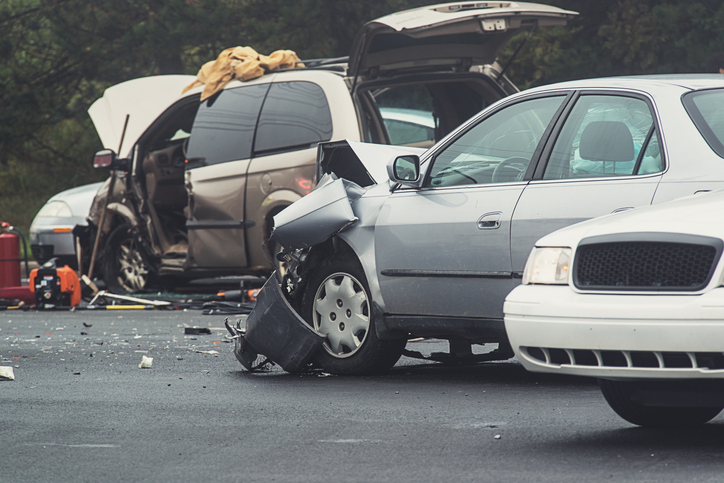
Check for Injuries and Get to a Safe Location
Your safety should always come first after a collision. Before thinking about insurance claims or vehicle damage, take a moment to assess yourself and anyone else involved. Some injuries cause immediate pain, while others may not become obvious until later. If anyone appears seriously injured, call 911 right away and wait for emergency responders. Remaining calm can help you evaluate the situation more accurately and communicate important information to emergency personnel.
If your vehicle can move safely, try to relocate it out of active traffic. Remaining in a travel lane can increase the risk of another collision and create additional hazards for other drivers. Turn on your hazard lights and stay alert to surrounding traffic conditions while you wait for help to arrive. If moving the vehicle is unsafe, remain in a protected location and wait for emergency responders to provide guidance.
Even if the accident appears minor, avoid assuming that everyone is unharmed. Adrenaline can mask symptoms for hours, making injuries seem less serious than they actually are. Taking the situation seriously from the beginning helps protect your health and creates a safer environment for everyone involved. Careful attention during these first moments can also help prevent additional injuries and confusion at the scene.
Contact Law Enforcement and Obtain an Official Report
After a traffic accident, contacting law enforcement is often one of the most important steps you can take. An official accident report creates an objective record of what happened and may include observations that become important later. Insurance companies frequently rely on these reports when evaluating claims, reviewing evidence, and determining liability.
When officers arrive, answer questions honestly and stick to facts you know firsthand. Avoid guessing about speeds, distances, fault, or events you did not personally observe. If you are uncertain about a detail, it is better to say so than to provide inaccurate information. Accurate statements help create a more reliable report and reduce the likelihood of misunderstandings later.
Exchange Information and Document the Scene
A thorough exchange of information can save significant frustration later. While emotions may run high after a crash, staying calm and focused helps you collect the details needed for insurance and legal purposes. Accurate information allows insurers to identify the parties involved and begin evaluating claims without unnecessary delays.
In addition to exchanging information, pay attention to details that may become important later. Conditions at the scene can change quickly once vehicles are moved and traffic resumes. Gathering information while it is still available can help preserve facts that might otherwise be lost.
Gather information such as:
- Driver names and contact information
- Driver's license numbers
- Vehicle registration details
- Insurance company names
- Policy numbers
- License plate numbers
After exchanging information, begin documenting the accident scene. Use your phone to photograph vehicle damage from several angles. Take pictures of road conditions, traffic signs, intersections, debris, and any visible injuries when appropriate. These images can provide valuable context long after the vehicles leave the scene and may help clarify disputed facts during an investigation.
Seek Medical Attention as Soon as Possible
Many people leave an accident scene believing they escaped injury. Hours later, they may begin to notice headaches, neck pain, back stiffness, dizziness, or other symptoms. Delayed symptoms are common after motor vehicle collisions because the body may initially respond to trauma with elevated adrenaline levels that temporarily mask pain and discomfort.
Prompt medical evaluation serves an important role in identifying injuries before they worsen. Conditions such as concussions, soft tissue injuries, internal injuries, and certain orthopedic injuries may not present immediate symptoms. Early diagnosis allows healthcare providers to recommend appropriate treatment and monitor conditions that could become more serious over time. Information from the Centers for Disease Control and Prevention notes that symptoms of traumatic brain injuries may not always appear immediately after an accident.
Medical records also create documentation that connects injuries to the collision. Insurance companies often review treatment timelines when evaluating claims. Delaying medical care can create questions about the cause and severity of injuries. Seeking timely treatment, attending follow-up appointments, and maintaining copies of medical records can help establish a clear record of your condition and recovery process.
Report the Accident to Your Insurance Company
Most insurance policies require prompt reporting after an accident. Contact your insurer as soon as reasonably possible and provide accurate information about the collision. Reporting the accident quickly allows the claims process to begin and helps ensure compliance with policy requirements that could affect coverage.
Helpful records may include:
- Accident reports
- Medical bills
- Repair estimates
- Photographs from the scene
- Correspondence with insurers
- Rental vehicle receipts
When speaking with adjusters, remain careful with your statements. Avoid speculation about fault or the full extent of your injuries. Some injuries take time to develop, and investigations often continue long after the initial report. Providing clear and accurate information helps support the claims process while reducing the risk of misunderstandings.
Maintaining copies of emails, letters, claim numbers, and other communications can also be beneficial. Organized records help create a timeline of events and provide documentation if disputes arise. Careful recordkeeping often makes it easier to respond to requests and track the progress of your claim.
Understand How Vermont's Fault System Affects Your Claim
Vermont follows a fault-based system for car accident claims. Under this system, the party responsible for causing an accident may also be responsible for resulting damages. Understanding how liability works can help drivers make informed decisions when dealing with insurance companies and evaluating potential claims.
Compensation may cover several categories of losses depending on the circumstances of the accident. Injured individuals may seek recovery for medical expenses, lost income, property damage, rehabilitation costs, and other documented losses. The value of a claim depends on many factors, including the severity of injuries, available evidence, and the extent of financial harm caused by the collision.
Vermont also applies comparative negligence principles. If more than one party shares responsibility for an accident, compensation may be adjusted according to each person's percentage of fault. Because liability disputes can directly affect financial recovery, preserving evidence and maintaining documentation remains important throughout the claims process.
Avoid Mistakes That Can Hurt Your Case
The days following a collision often feel chaotic. During that time, small decisions can have lasting consequences. Avoiding common mistakes may help strengthen your insurance claim and protect your legal rights. Careful attention to documentation, medical treatment, and communication can reduce unnecessary complications later.
Many claim-related problems arise because important steps are delayed or overlooked. Missing deadlines, failing to preserve evidence, or providing inconsistent information can create challenges that are difficult to correct. Understanding common mistakes can help accident victims avoid actions that may weaken their position.
Several actions can create unnecessary challenges:
- Delaying medical treatment
- Ignoring physician recommendations
- Admitting fault at the scene
- Posting accident details on social media
- Discarding important records
- Missing insurance deadlines
Social media deserves particular attention. Insurance companies may review publicly available posts when evaluating claims. A photograph, comment, or status update may be interpreted in ways that do not accurately reflect your condition or circumstances. Limiting public discussion of the accident can help prevent misunderstandings during the claims process.
When Should You Speak With a Burlington Car Accident Lawyer?
Not every accident requires legal representation. However, certain situations often benefit from professional guidance. Serious injuries, disputed liability, multiple involved parties, and insurance complications can increase the complexity of a claim and create questions about available legal options.
When injuries require extensive treatment, financial losses often grow as well. Medical expenses, missed work, rehabilitation costs, and ongoing care needs can place significant pressure on injured individuals and their families. Understanding the potential value of a claim and the legal issues involved may become increasingly important as losses accumulate.
Legal guidance may also be helpful when insurance companies deny claims, delay decisions, dispute liability, or offer settlements that do not fully address documented losses. An attorney can review available evidence, explain applicable laws, and discuss potential options based on the facts of the case. Having a clear understanding of your rights can help you make informed decisions throughout the process.
Take Prompt Action to Protect Your Rights
Time matters after a car accident. Evidence can disappear, witness memories can fade, and important deadlines can approach faster than many people realize. Taking prompt action helps preserve information that may support your claim and strengthens your ability to present an accurate account of what occurred.
If you have questions about your legal rights after an accident, speaking with legal counsel may help you better understand the options available in your situation. Additional information can be obtained by reaching out to us. Understanding your rights, preserving evidence, and acting promptly can help you move forward with greater confidence while focusing on your recovery and future well-being.

What Sets Us Apart From The Rest?
Horn Wright, LLP is here to help you get the results you need with a team you can trust.
-
Client-Focused ApproachWe’re a client-centered, results-oriented firm. When you work with us, you can have confidence we’ll put your best interests at the forefront of your case – it’s that simple.
-
Creative & Innovative Solutions
No two cases are the same, and neither are their solutions. Our attorneys provide creative points of view to yield exemplary results.
-
Experienced Attorneys
We have a team of trusted and respected attorneys to ensure your case is matched with the best attorney possible.
-
Driven By Justice
The core of our legal practice is our commitment to obtaining justice for those who have been wronged and need a powerful voice.