


Who Is Responsible for a Company Vehicle Accident in Burlington, VT?
Understanding Employer, Employee, and Third-Party Liability
After a company vehicle accident in Burlington, VT, one question often becomes the center of the entire claim: who is responsible? The answer may seem straightforward at first because a company driver may have caused the crash. However, liability in these cases often involves more than identifying the person behind the wheel. Employers, drivers, maintenance providers, vehicle owners, and manufacturers may all play a role depending on the facts. Determining responsibility requires a careful review of what happened before, during, and after the collision, along with an examination of employment relationships, vehicle ownership, and insurance coverage.
Experienced Burlington, VT car accident lawyers can help investigate the facts that matter and identify potentially responsible parties. A careful review of available evidence, including employment records, vehicle information, and accident documentation, can help injured victims pursue compensation that may be available under Vermont law.
What Counts as a Company Vehicle Accident?
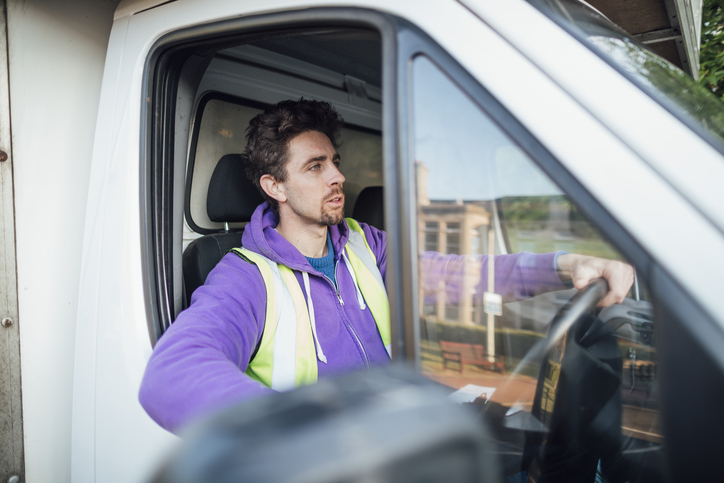
A company vehicle accident occurs when a vehicle connected to a business becomes involved in a collision. The vehicle may be owned directly by the company, leased for business operations, or assigned to an employee for work-related travel. In some situations, an employee may use a personal vehicle while performing job duties, which can also create issues involving company liability. The central question is whether the vehicle was being used for business purposes when the accident occurred.
Businesses rely on vehicles for a wide range of operations. Delivery services transport goods to customers, contractors travel between projects, and service professionals visit homes and businesses throughout the workday. Commercial vehicles regularly share the road with passenger vehicles, cyclists, pedestrians, and public transportation. Because these vehicles are often used extensively, accidents involving business operations occur under many different circumstances.
The purpose of the trip often becomes one of the most important factors in determining responsibility. A driver completing assigned work duties may create liability for an employer, while a driver using the vehicle for personal reasons may create a different legal analysis. Insurance companies, attorneys, and investigators examine these details carefully because they directly affect who may be responsible for injuries, property damage, and other losses resulting from the collision.
When an Employer May Be Responsible for a Crash
Employers are often responsible when an employee causes a collision while performing assigned job duties. Vermont law generally allows injured parties to pursue claims against employers when employees act within the scope of their employment. This legal principle recognizes that businesses benefit from employee activities and may therefore bear responsibility when those activities result in harm to others.
Evidence often plays a critical role in establishing whether an employer may be responsible. Investigators may review:
- Work schedules
- Dispatch records
- GPS tracking data
- Delivery logs
- Employment records
These records can help establish whether the employee was performing assigned duties at the time of the collision. They may also clarify the driver's route, work assignments, and responsibilities on the day of the accident.
Employer liability cases often involve substantial investigation because businesses typically maintain extensive records regarding vehicle use and employee activities. Insurance carriers may review these materials closely before making decisions about coverage and responsibility. The outcome of this investigation can significantly affect the compensation available to injured individuals because commercial insurance policies often provide larger coverage limits than personal auto policies.
When the Employee May Be Personally Responsible
Not every company vehicle accident creates liability for an employer. In some situations, responsibility may rest primarily with the employee. The analysis often focuses on whether the driver was acting outside assigned job duties or engaging in conduct unrelated to the employer's business interests at the time of the collision.
Personal use of a company vehicle can become an important factor. If an employee uses a company vehicle for activities unrelated to work, investigators may determine that the employer should not be responsible for resulting damages. Unauthorized vehicle use, violations of company policies, or conduct that falls outside assigned responsibilities may also affect liability determinations. These issues frequently become points of dispute during insurance investigations and legal proceedings.
Intentional misconduct can further complicate the analysis. Courts may distinguish between ordinary negligence and conduct that falls far outside expected employment activities. Reckless behavior, criminal conduct, or actions undertaken solely for personal reasons may reduce or eliminate an employer's responsibility depending on the circumstances and available evidence.
Can Multiple Parties Share Liability?
Responsibility for a company vehicle accident is not always limited to a single person or organization. Multiple parties may contribute to the circumstances that caused the collision. Vermont law allows investigators and courts to evaluate the conduct of everyone involved and determine how responsibility should be allocated among those parties.
An employer and employee may both share liability in certain situations. For example, a driver's negligence may combine with inadequate supervision, poor training practices, or unsafe company procedures. When multiple factors contribute to an accident, responsibility may be divided among the parties whose actions helped cause the collision.
Third parties may also become part of the investigation. Another driver may have contributed to the crash through careless driving. A maintenance provider may have failed to identify a serious mechanical issue. A manufacturer may face scrutiny if a defective vehicle component contributed to the accident. Each possibility requires careful examination of the available evidence.
Other Parties That Could Be Responsible
Company vehicle accidents sometimes involve issues that extend beyond the employer and driver. Vehicle ownership arrangements, maintenance obligations, and manufacturing defects can introduce additional parties whose actions may have contributed to the collision. Identifying these parties often requires a detailed review of contracts, maintenance records, and technical evidence.
Potentially responsible parties may include:
- Vehicle owners
- Leasing companies
- Fleet management providers
- Maintenance contractors
- Vehicle manufacturers
- Other drivers involved in the collision
Product defects sometimes create separate legal claims. Defective brakes, faulty steering systems, dangerous tire failures, and other manufacturing defects can contribute to serious crashes. When evidence suggests that a defect played a role, product liability laws may allow injured individuals to pursue claims against manufacturers in addition to other responsible parties.
Evidence That Helps Determine Responsibility
Strong evidence forms the foundation of any successful accident claim. The earlier evidence is collected and preserved, the easier it becomes to establish what happened and who may be responsible. Delays can result in lost records, fading memories, and missing information that may otherwise help clarify liability.
Police reports often provide an important starting point for investigations. Officers typically document roadway conditions, witness information, driver statements, vehicle positions, and observations made at the scene. Although police reports do not determine liability by themselves, they frequently provide valuable information that helps guide further investigation and evidence collection.
Modern commercial vehicles often generate extensive electronic records that can provide detailed information about vehicle operation and driver activity. Investigators may review:
- Dash camera footage
- GPS tracking data
- Vehicle inspection records
- Driver qualification files
- Cell phone records
- Scene photographs
These materials can help establish timelines, vehicle movements, maintenance history, and driver conduct before the collision occurred. Electronic evidence often provides objective information that supports or contradicts witness accounts.
Insurance Issues in Company Vehicle Accident Claims
Insurance coverage often becomes more complicated when a company vehicle is involved. Commercial auto policies differ from personal auto insurance policies in several important ways. Businesses frequently carry higher coverage limits because commercial operations create greater exposure to liability and financial risk.
Several insurance policies may potentially apply to the same accident. Depending on the circumstances, coverage may involve:
- Commercial auto insurance
- Personal auto insurance
- Umbrella liability coverage
- Third-party insurance policies
Determining which policy applies first and how multiple policies interact can become a significant issue during the claims process. Coverage disputes sometimes arise even when liability appears relatively clear.
Businesses often maintain complex insurance structures designed to address different types of risk. Understanding how these policies interact requires careful analysis of policy language, vehicle use, employment relationships, and applicable legal requirements. Insurance coverage questions frequently influence settlement negotiations and may affect the overall value of a claim.
Steps to Take After a Company Vehicle Accident in Burlington, VT
The actions taken immediately after a crash can affect both physical recovery and the strength of a legal claim. Individuals involved in a company vehicle accident should focus first on safety and medical care while also preserving important information whenever possible. Early documentation often becomes valuable evidence later in the claims process.
Preserving evidence should begin as soon as circumstances allow. Useful steps include:
- Photographing vehicle damage
- Documenting road conditions
- Collecting witness information
- Saving medical records
- Keeping accident-related expenses
These records can help support insurance claims and legal proceedings by providing objective documentation of the accident and its consequences. Accurate records often become especially important when liability is disputed.
Individuals should also exercise caution when communicating with insurance representatives. Statements made early in the process may later become part of liability discussions or coverage evaluations. Maintaining organized records, preserving documentation, and providing accurate information can help protect the integrity of a claim while investigations remain ongoing.
How Burlington-Specific Factors Can Affect Liability Investigations
Local conditions often influence accident investigations in ways that may not be immediately obvious. Weather patterns, seasonal road conditions, visibility concerns, and traffic volume can all affect how collisions occur and how investigators evaluate responsibility. These factors frequently become part of accident reconstruction efforts.
Traffic conditions may vary significantly depending on location, time of day, and roadway design. Commercial vehicles often operate in areas with substantial commuter traffic, delivery activity, and pedestrian movement. Investigators may evaluate congestion levels, traffic control devices, lane configurations, and roadway conditions when determining how a collision occurred and whether environmental factors contributed to the event.
Roadway characteristics can also influence liability discussions. Construction zones, temporary traffic changes, sightline limitations, and surface conditions may affect driver decision-making and vehicle operation. Although these factors do not excuse negligent conduct, they often provide important context when investigators analyze the sequence of events leading to a crash.
Understanding Responsibility After a Burlington Company Vehicle Accident
Determining responsibility after a Burlington, VT company vehicle accident requires more than identifying who was driving. Employers, employees, maintenance providers, manufacturers, vehicle owners, and other motorists may all contribute to the circumstances that caused a collision. Liability depends on the specific facts, available evidence, insurance coverage, and legal relationships involved in each case.
Individuals with questions about responsibility after a serious collision may benefit from learning more about their legal rights and available options. You can get additional information and seek legal guidance by contacting our firm.

What Sets Us Apart From The Rest?
Horn Wright, LLP is here to help you get the results you need with a team you can trust.
-
Client-Focused ApproachWe’re a client-centered, results-oriented firm. When you work with us, you can have confidence we’ll put your best interests at the forefront of your case – it’s that simple.
-
Creative & Innovative Solutions
No two cases are the same, and neither are their solutions. Our attorneys provide creative points of view to yield exemplary results.
-
Experienced Attorneys
We have a team of trusted and respected attorneys to ensure your case is matched with the best attorney possible.
-
Driven By Justice
The core of our legal practice is our commitment to obtaining justice for those who have been wronged and need a powerful voice.