


What If the Other Driver Blames Me for a Burlington, VT Car Accident?
Understanding Vermont Fault Rules, Evidence, and Your Options After a Disputed Crash
A car accident can turn your day upside down in seconds. Then things get even more stressful when the other driver says the crash was your fault. Many people in Burlington, VT find themselves in this position after a collision. One driver may describe the events one way, while the other driver may provide a completely different account. Insurance companies must sort through conflicting information while injured people focus on medical treatment, vehicle repairs, and financial concerns that often follow a crash.
Working with experienced Burlington car accident attorneys can help you understand your rights when fault becomes a point of dispute. Every statement, document, photograph, and piece of evidence can influence how an insurance company evaluates a claim. Fault disputes can affect compensation, liability findings, and negotiations with insurers. Understanding how Vermont law approaches these situations can help you make informed decisions and avoid mistakes that could affect your claim.
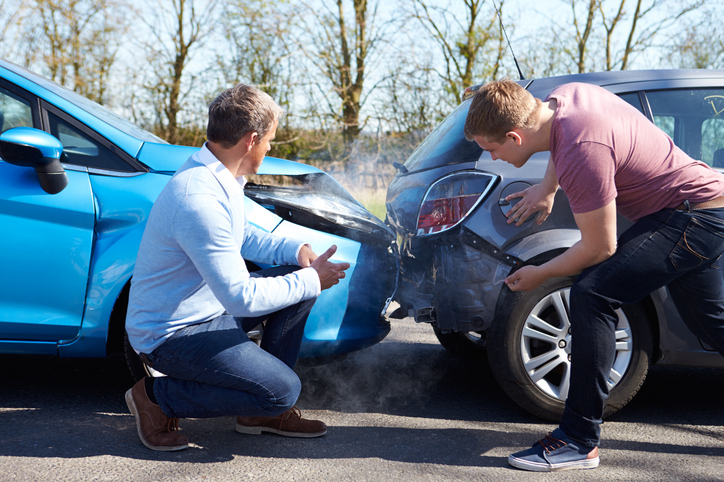
Why Drivers Shift Blame After a Burlington Car Accident
Fault disputes happen for many reasons. Sometimes a driver genuinely believes they acted appropriately and that another person caused the collision. In other situations, concerns about insurance costs, financial liability, or potential legal consequences may influence how someone describes the events leading up to the crash. These competing interests often create disagreements immediately after an accident.
Motor vehicle collisions frequently occur within seconds, leaving little time for drivers to process everything that happened. Visibility limitations, weather conditions, traffic patterns, and sudden vehicle movements can affect perception. Two people involved in the same crash may remember important details differently, even when neither person intends to provide inaccurate information. These differences often become central issues during insurance investigations.
How Vermont Determines Fault After a Crash
Vermont uses a modified comparative negligence system to determine responsibility after a motor vehicle accident. Under this legal framework, more than one party can share fault for a collision. Investigators, insurance companies, attorneys, and courts may evaluate the actions of each driver to determine how much responsibility each person bears for the accident.
The percentage of fault assigned to a driver can significantly affect compensation. If an injured person is found partially responsible for a crash, any financial recovery may be reduced according to that percentage of fault. Because fault allocations can directly influence the value of a claim, insurance companies often spend considerable time reviewing evidence before reaching a conclusion.
Determining fault involves much more than comparing two conflicting statements. Investigators may examine police reports, photographs, witness testimony, vehicle damage, roadway conditions, traffic laws, and other available evidence.
Evidence Can Tell the Real Story
Strong evidence often becomes one of the most important factors in resolving a fault dispute. Memories can change over time, and different people may interpret events differently. Physical evidence, photographs, official reports, and independent observations often provide a more objective foundation for determining what occurred before, during, and after a collision.
Other forms of evidence can also support a claim:
- Photographs of vehicle damage
- Images of road conditions and traffic controls
- Statements from independent witnesses
- Dashcam recordings
- Nearby surveillance footage
Collecting evidence as soon as possible after a crash can be extremely important. Physical conditions at the scene may change quickly. Vehicles may be repaired, debris may be removed, and witnesses may become more difficult to locate as time passes. Preserving information early helps ensure that important details remain available during the investigation process.
Evidence can also help clarify issues that are difficult to resolve through driver statements alone. Vehicle damage patterns, video footage, and witness observations may reveal details that neither driver noticed during the collision. When fault becomes contested, comprehensive documentation often provides a stronger basis for evaluating responsibility than recollections alone.
What You Should Do If the Other Driver Blames You
The moments immediately following a collision can be stressful and confusing. Drivers often experience shock, frustration, or anxiety while trying to assess injuries and property damage. Remaining calm and focused can help protect both your safety and your ability to preserve important information that may become relevant later.
If another driver accuses you of causing the accident, avoid arguing or attempting to resolve the dispute at the scene. Emotional exchanges rarely improve the situation and may create additional complications. Instead, focus on cooperating with law enforcement, obtaining necessary information, and documenting the circumstances surrounding the collision as accurately as possible.
Several steps can help protect your interests:
- Call law enforcement and request a report
- Seek medical attention as soon as possible
- Take photographs of the scene
- Exchange contact and insurance information
- Obtain witness contact information when available
Detailed documentation can become especially valuable when fault is disputed. Photographs, witness information, and medical records may help establish important facts that support your position during an insurance investigation. Taking these steps promptly can help preserve evidence before conditions change or information becomes unavailable.
After leaving the scene, notify your insurance company as soon as reasonably possible. Provide accurate information and avoid speculation about fault or causes that have not yet been confirmed. Vermont law also requires drivers involved in certain crashes to report accidents. Following reporting requirements and maintaining accurate records can help support your claim moving forward.
Statements and Actions That Can Hurt Your Case
Many people unintentionally create challenges for their claims because they do not realize how certain statements or actions may be interpreted later. Insurance companies carefully review information provided after an accident, and even seemingly harmless comments can become part of a broader investigation into fault and damages.
Apologizing at the scene is a common example. Many people apologize out of politeness, concern, or empathy rather than because they believe they caused the accident. However, insurance adjusters may interpret those statements differently when evaluating liability. Providing factual information without discussing fault is generally a safer approach while the investigation remains ongoing.
Social media activity can also affect a claim. Insurance representatives may review public posts, photographs, comments, and other online content. Information shared online may be taken out of context or used to challenge statements regarding injuries, physical limitations, or accident-related damages. Exercising caution with social media activity during an active claim is often advisable.
How Insurance Companies Handle Conflicting Stories
When drivers provide different accounts of an accident, insurance companies conduct investigations to determine what likely occurred. Adjusters gather information from multiple sources and compare available evidence before reaching conclusions regarding fault and liability. Their findings can significantly affect compensation and claim outcomes.
The investigation process often begins with statements from the involved drivers. Adjusters may also review police reports, photographs, repair estimates, medical records, witness interviews, and other available documentation. Their objective is to evaluate the evidence and determine how responsibility should be assigned under applicable laws and insurance policies.
Insurance companies often consider several factors:
- Traffic law violations
- Vehicle damage patterns
- Witness credibility
- Road and weather conditions
- Consistency of driver statements
Investigations may take time, particularly when evidence points in different directions or when additional information is needed. Adjusters may request supplemental documentation, review new evidence, or conduct follow-up interviews before making a final determination regarding fault.
Challenging an Unfair Fault Determination
Receiving an unfavorable fault determination can be frustrating, especially when you believe the evidence supports a different conclusion. Fortunately, insurance company findings are not always final. Drivers may have opportunities to present additional information and challenge conclusions that appear inconsistent with the available evidence.
Evidence remains one of the most effective tools for disputing a fault determination. Additional photographs, witness statements, surveillance footage, expert evaluations, or other documentation may provide information that was not fully considered during the initial investigation. Presenting new evidence can sometimes lead to a reassessment of responsibility.
Accident reconstruction experts may also play a role in certain cases. These professionals analyze physical evidence, vehicle damage, roadway conditions, and collision dynamics to provide opinions regarding how an accident occurred. Their findings may help clarify disputed facts when conflicting accounts make fault difficult to determine.
Accident Types That Often Lead to Fault Disputes
Certain types of collisions generate fault disputes more frequently than others because the circumstances surrounding the crash may leave room for differing interpretations. Determining responsibility often requires a detailed review of evidence rather than relying solely on assumptions about how a particular type of accident usually occurs.
Intersection collisions commonly produce disagreements regarding right-of-way, traffic signals, lane usage, and driver actions immediately before impact. Witnesses may observe only part of the event, and drivers may have different recollections regarding signal changes or vehicle movements. These factors can make fault determinations more complex.
Rear-end collisions also generate disputes in some situations. Although the trailing driver is often considered responsible, investigators may still examine whether sudden stops, vehicle malfunctions, roadway hazards, or other contributing factors played a role. Each accident requires an evaluation of its specific facts and circumstances.
Protecting Your Rights After a Burlington Car Accident
When the other driver blames you for a Burlington, VT car accident, uncertainty often follows. Fault disputes can affect insurance claims, compensation, liability findings, and the overall direction of a case. Taking prompt action to preserve evidence, obtain medical care, and document important details can help protect your position while the investigation moves forward.
If questions about fault continue to create obstacles, speaking with us through a confidential consultation may help you better understand your options. Legal guidance can provide clarity regarding your rights, available evidence, and potential next steps. Taking an informed approach after a fault dispute can help ensure that decisions are based on facts, applicable law, and a complete evaluation of the circumstances surrounding the accident.

What Sets Us Apart From The Rest?
Horn Wright, LLP is here to help you get the results you need with a team you can trust.
-
Client-Focused ApproachWe’re a client-centered, results-oriented firm. When you work with us, you can have confidence we’ll put your best interests at the forefront of your case – it’s that simple.
-
Creative & Innovative Solutions
No two cases are the same, and neither are their solutions. Our attorneys provide creative points of view to yield exemplary results.
-
Experienced Attorneys
We have a team of trusted and respected attorneys to ensure your case is matched with the best attorney possible.
-
Driven By Justice
The core of our legal practice is our commitment to obtaining justice for those who have been wronged and need a powerful voice.